A civil rights and environmental fight is converging around AI infrastructure
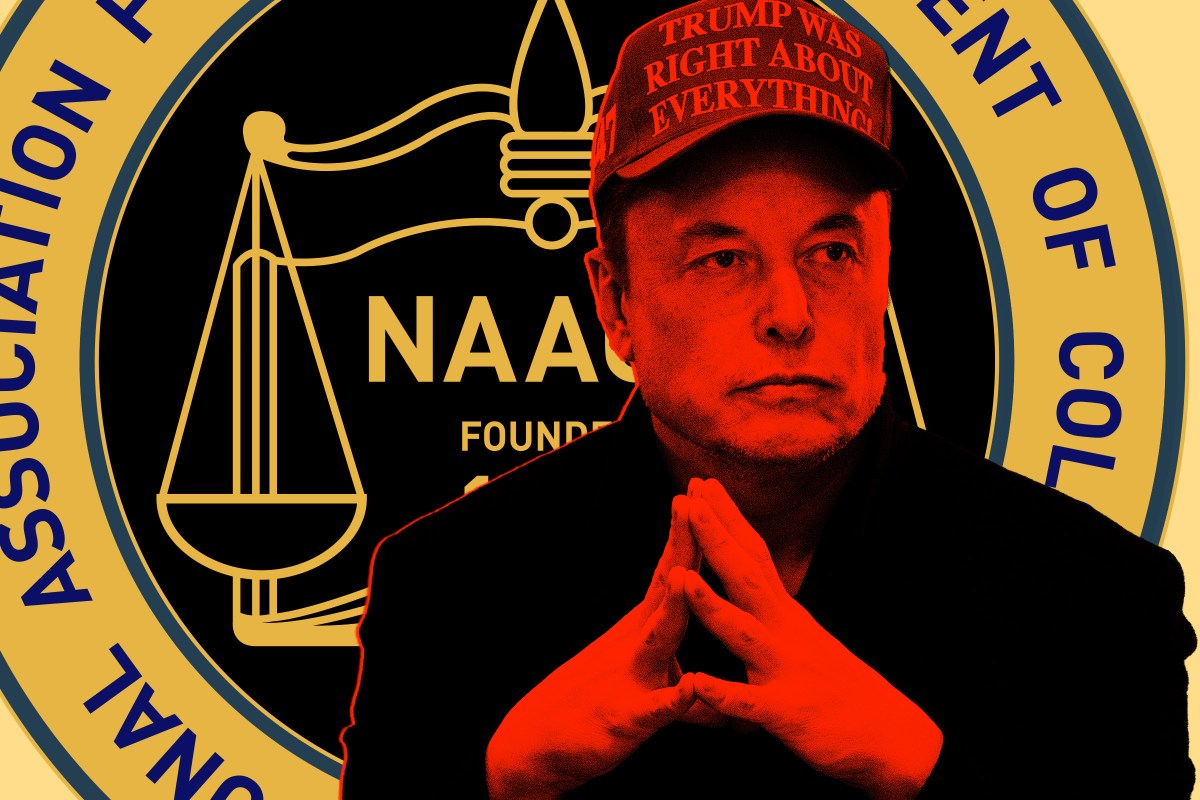
The NAACP has filed a lawsuit against Elon Musk’s xAI, alleging that the turbines used to power the company’s Colossus data center are violating the Clean Air Act. The case brings one of the AI sector’s biggest unresolved tensions into sharp focus: the race to build larger computing clusters is colliding with questions about permits, public health, and who bears the environmental cost of infrastructure expansion.
According to the reporting cited in the supplied source material, xAI has been using 27 gas turbines, each roughly the size of a bus, to supply electricity for the facility that runs the Grok chatbot. The lawsuit seeks to force the company to stop using those turbines without permits and to impose civil penalties that would cover legal fees.
This is not simply a technical compliance dispute. The complaint centers on the effects the turbines are said to have on a nearby Black, working-class neighborhood, where residents are living with both emissions and noise from the temporary power setup. That makes the suit significant beyond one company or one site: it directly tests whether AI buildout can proceed by leaning on improvised energy solutions before regulatory oversight catches up.
The allegations focus on pollution, permits, and environmental justice
The source text says the turbines emit nitrogen dioxide, a pollutant associated with respiratory harm over time, while also generating constant noise that residents say has made daily life more difficult. Those claims are at the heart of the NAACP’s argument that the community has been treated as a disposable buffer for a high-value technology project.
NAACP president and CEO Derrick Johnson framed the matter in environmental justice terms, arguing that major corporations should not be able to place polluting operations in Black neighborhoods without permits and expect little resistance. That framing is likely to resonate because the AI industry’s recent growth has already raised broader concerns about where data centers are sited, how much power they consume, and whether communities have any meaningful say in how supporting infrastructure is deployed.
Even if the legal questions in this case turn on permitting specifics, the political question is broader. Large AI systems require enormous computing power, and that means access to reliable electricity on aggressive timelines. When grid upgrades, long-term generation projects, or utility agreements move too slowly, companies have an incentive to bridge the gap with temporary power equipment. This case suggests that shortcut may carry growing legal and reputational risk.

xAI says it is complying with applicable laws
In response to the controversy, xAI said it takes its commitments to the community and environment seriously and that the temporary power generation units are operating in compliance with applicable laws. In the supplied material, however, the company did not directly say whether it plans to halt turbine use.
That leaves a central conflict unresolved. On one side, civil rights and community advocates argue that the turbines should not be operating as they are. On the other, xAI maintains that its setup is lawful. The lawsuit now becomes the mechanism through which those competing claims may be tested.
For xAI, the case lands at a sensitive moment. AI infrastructure has become strategically important, and companies developing large models are under pressure to scale quickly. But that urgency can make local opposition especially damaging, because it turns what might have been framed as innovation investment into a fight over pollution burdens and unequal treatment.
The case signals a new phase in the politics of AI buildout
The NAACP’s move is notable because it shows how opposition to AI infrastructure is likely to broaden. Concerns about artificial intelligence are often framed in terms of model behavior, misinformation, job disruption, or safety. This lawsuit highlights a more material layer of the story: the power plants, fuel systems, emissions, and land-use decisions required to make the AI boom physically possible.
That shift matters. Once disputes move from abstract arguments about technology to direct claims about air quality and neighborhood impact, the coalitions involved can widen quickly. Community groups, environmental advocates, regulators, and civil rights organizations may find common cause, particularly in places where temporary energy solutions are deployed near vulnerable populations.
The case also illustrates a structural challenge for the industry. AI companies want to move at software speed, but the infrastructure beneath them is governed by environmental law, utility constraints, and local politics. Those systems do not scale as quickly as model training ambitions do. When the mismatch becomes visible, litigation is one of the ways it surfaces.
Why this dispute could matter beyond one facility
The immediate outcome will depend on the facts established in court, but the underlying signal is already clear. Data centers are no longer just back-end real estate; they are becoming contested civic infrastructure. Communities are paying closer attention to what powers them, what they emit, and whether promised economic benefits justify the tradeoffs.
For companies in the AI race, that means infrastructure planning can no longer be treated as a side issue. Speed, capacity, and competitive advantage still matter, but so do permits, transparency, and social license. If a company appears to be solving a compute bottleneck by transferring environmental costs onto nearby residents, it may invite legal action and public backlash that outlast any short-term operational gain.
The xAI lawsuit is therefore more than a local dispute around one chatbot data center. It is an early marker of the terms on which AI expansion may increasingly be judged. The next phase of the industry will not be defined only by model performance or capital expenditure. It will also be shaped by whether companies can build the physical foundations of AI without treating regulation and frontline communities as obstacles to be bypassed.
This article is based on reporting by Futurism. Read the original article.
Originally published on futurism.com