An unusual data-center design has moved from demonstration to operation
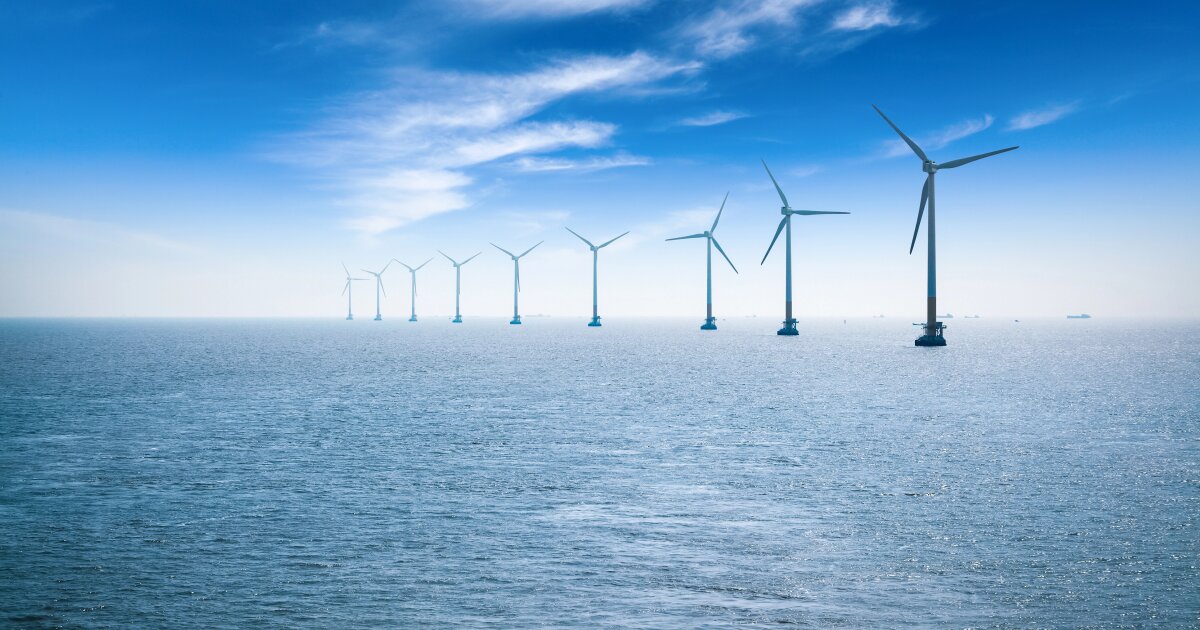
Chinese engineers have switched on what is described as the world’s first underwater data center powered by offshore wind, putting a highly unconventional computing concept into live operation off the coast of Shanghai. The facility, located in the Lin-gang Special Area, combines submerged server infrastructure with offshore renewable power and sealed ocean-based cooling.
The appeal is straightforward. Data centers generate enormous amounts of heat, and cooling that heat is one of the industry’s persistent costs. Many inland facilities still rely on freshwater-based systems because freshwater is comparatively simple to manage and causes fewer corrosion and fouling issues than seawater. An underwater data center changes the equation by using the surrounding ocean as a heat sink through a sealed cooling system.
According to the source report, this center uses a circulating copper-pipe heat exchange system that reduces electricity consumption by 22.8%. Offshore wind farms are estimated to provide 95% of the electricity needed to run the current installation, which includes 192 server racks across four levels.
Why operators are interested
The project’s backers say the underwater setup cuts land use by more than 90% compared with an equivalent above-ground center and eliminates the need for freshwater cooling. Those are meaningful claims at a time when data-center growth is colliding with land constraints, power bottlenecks, and public concern about water use.
The operating load is currently reported at 2.3 megawatts, with a planned capacity of 24 megawatts. That future capacity is framed as room for expansion as hardware changes and computing demand increases. In that sense, the installation is not being presented as a one-off science project but as infrastructure intended to scale.
One expert quoted in the source, Tsinghua University professor Li Zhen, said cooling electricity could fall dramatically if comparable centers were placed underwater. Even allowing for some margin, he suggested cooling consumption could be reduced enough to save very large amounts of electricity annually at broader scale.

The attraction of ocean cooling and renewable power
The design pairs two ideas that each address a central challenge of modern computing. First, offshore wind offers a relatively direct source of low-carbon electricity. Second, submerged placement uses ambient seawater conditions to manage heat without tapping freshwater resources. Combined, those choices target both power supply and thermal efficiency, which are among the most consequential constraints facing data-center expansion.
That combination is especially relevant as AI and other compute-heavy workloads drive demand for new capacity. A standard land-based center often requires large tracts, major grid upgrades, and substantial cooling infrastructure. If undersea facilities can reduce land use, ease some cooling burdens, and draw heavily from nearby wind generation, they become attractive in coastal regions where conventional expansion is difficult.
The Shanghai project’s current power level is still modest by hyperscale standards, but the significance lies in the fact that it is online. Many novel infrastructure ideas attract attention at the rendering stage and then stall. Here, phase one was completed in 2025 and the facility was officially switched on in late May 2026.
The unanswered questions
The source text is also clear that major uncertainties remain. Underwater computing is still largely unproven at commercial scale. Questions persist about maintenance, long-term hardware reliability, corrosion risks, repair logistics, and how operators will handle component upgrades over time.
Those are not minor concerns. A submerged data center may save water and land, but it also moves sensitive equipment into an environment that is hostile to electronics and difficult for technicians to access. Even with sealed systems, the economics will depend on whether reliability gains from stable cooling outweigh the complexity of marine deployment.
There is also a broader strategic question: whether underwater facilities become a niche solution for special coastal cases or a repeatable model for a meaningful share of future data-center construction. The answer will depend less on one successful power-up than on years of operating data.
Why this matters now
Despite the caveats, the project lands at a moment when data centers are under pressure to justify their footprint. AI growth, cloud expansion, and digital infrastructure demands are forcing governments and companies to look for new ways to deliver compute without overwhelming water systems or triggering local opposition to sprawling industrial campuses.
An undersea model powered mostly by offshore wind speaks directly to that pressure. It offers a vision of compute that is less visible on land, less dependent on freshwater, and potentially more energy efficient on the cooling side. Whether that vision scales remains uncertain, but the Shanghai facility turns the concept from speculation into a real operating asset.
That alone makes it worth watching. The most important result may not be the headline claim that it is first, but the operating evidence it now has a chance to generate.
This article is based on reporting by New Atlas. Read the original article.
Originally published on newatlas.com