A new labor model for the gig economy has moved from theory to reality
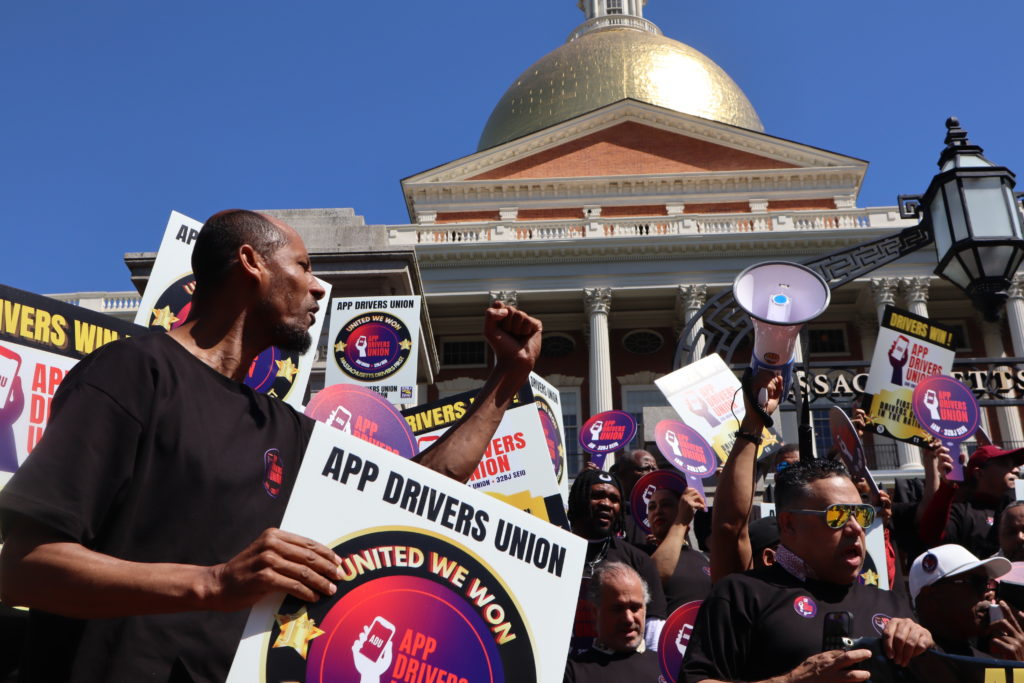
Ride-hailing drivers in Massachusetts have certified what organizers describe as the first union for app-based drivers in the United States, creating a new benchmark in the long-running conflict over how gig work should be structured, governed, and negotiated. The vote is important not only because it organizes Uber and Lyft drivers in one state, but because it does so without converting them into traditional employees.
That distinction is the story’s real center of gravity. The certification was made possible by a 2024 Massachusetts ballot measure that created a framework allowing ride-hailing drivers to unionize and bargain collectively while remaining independent contractors. For years, labor battles around app platforms have tended to break along a single line: either preserve contractor flexibility or push toward employee status. Massachusetts is testing a third path.
Organizers say the union could eventually represent nearly 70,000 drivers statewide. If the model proves durable, other states will not treat this as a local experiment for long.
Why the vote matters beyond Massachusetts
The source report describes the victory as a milestone in broader organizing efforts spreading through app-based industries. That timing is not accidental. Drivers continue to raise familiar complaints about pay, expenses, and working conditions, but the context around those demands is changing. The source text notes that labor campaigns are also unfolding as self-driving technology expands, creating new uncertainty about the future of platform driving work.
Massachusetts currently does not allow fully driverless commercial rides without a human operator. Even so, the strategic pressure is obvious. Drivers are not only negotiating over today’s compensation and deactivation policies; they are doing so in an industry where the long-term labor demand is increasingly contested by automation narratives.
That makes union certification more than a symbolic win. It creates a formal mechanism through which drivers can try to shape the terms of transition in a sector built on algorithmic management and legally narrow employment definitions.

The contractor question has not gone away
The Massachusetts framework does not resolve the deeper philosophical dispute over platform labor. It sidesteps part of it. Drivers remain independent contractors, which preserves the classification central to the business models of Uber and Lyft. At the same time, collective bargaining introduces a degree of counterweight that contractor status has traditionally lacked.
This hybrid arrangement may appeal to policymakers because it avoids a binary legal fight. But its success will depend on what drivers can actually secure once certification is in place. If the union produces meaningful leverage over pay floors, unfair deactivations, appeals processes, and expense burdens, the model could become politically attractive elsewhere. If bargaining rights exist mostly on paper, critics will see it as a compromise that stabilized the platforms more than it empowered workers.
The source report captures the practical stakes through driver testimony. Jean Fredo, an Uber driver for more than seven years, said he hopes the union will deliver better pay, stronger protections against sudden deactivations, and more stability. Those demands reflect the daily pressure points of platform work more clearly than any legal theory does.
Why this is a consequential organizing test
Labor leaders in the source text described the certification as the largest private-sector organizing win since Ford autoworkers unionized in 1941. That comparison is obviously meant to convey scale and symbolism, but it also reflects something deeper: the gig economy has become one of the most important unresolved labor questions in the United States.
Traditional unions were built around shared workplaces, fixed schedules, and relatively legible employer-employee relationships. App-based driving breaks each of those assumptions. Workers are geographically dispersed, managed by software, and often connected to the platform only through rules embedded in an app interface. Organizing in that environment requires new legal structures and new methods of solidarity.
Massachusetts has now supplied one structural answer. Whether it becomes a model depends on implementation. Collective bargaining is not an endpoint. It is the creation of a venue where conflict can happen under recognized terms.
The next stage will determine whether other states follow
California and Illinois are already named in the source text as places where similar efforts are gaining traction. They will be watching the next phase closely. Can a union bargain effectively while workers remain contractors? Will the platforms accept the process or try to narrow its scope? Can the model produce improvements substantial enough to convince drivers that formal organization changes the economics of the job?
Those questions matter because the gig economy has repeatedly forced policymakers into reactive fights. Massachusetts has instead built a proactive framework and will now test it under real conditions. The result could influence not just ride-hailing, but how legislators think about other app-mediated sectors where workers want representation without losing flexible work arrangements.
For now, the significance is straightforward. One of the most legally complex parts of the labor market has crossed an organizing threshold that many considered structurally out of reach. If the bargaining that follows is substantive, the Massachusetts vote may be remembered less as a state-level labor story than as the beginning of a new template for platform work.
This article is based on reporting by Fast Company. Read the original article.
Originally published on fastcompany.com