A New Lithium Refining Step in North America
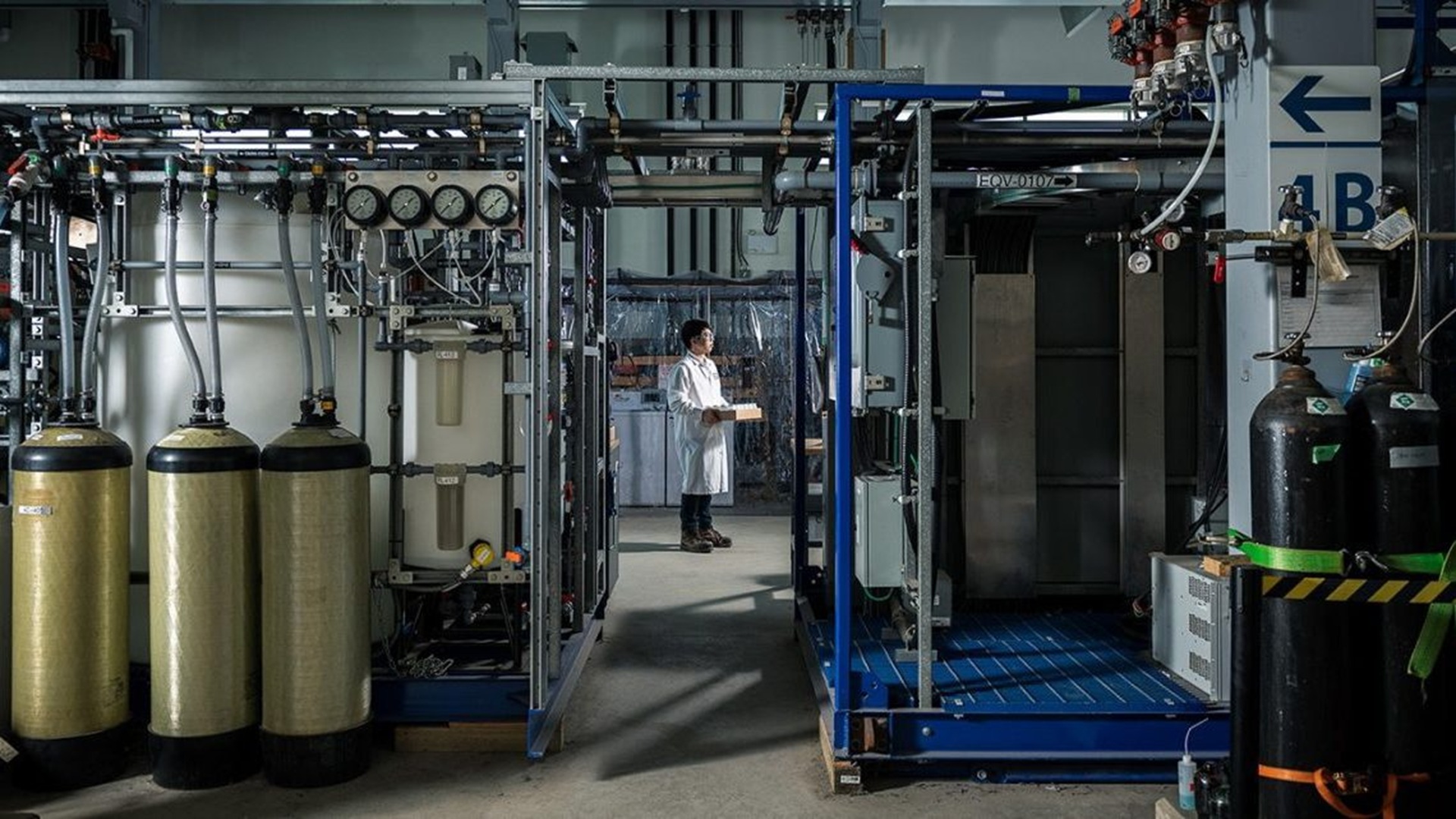
Mangrove Lithium has opened what it says is North America’s first commercial electrochemical lithium refinery, according to Interesting Engineering.
The venture-backed refining platform says the facility is intended to help supply lithium for electric vehicles, with the report describing a target equivalent to powering 25,000 EVs.
The opening matters because lithium refining is a key part of the battery supply chain. Electric vehicles depend not only on lithium extraction, but also on the ability to process lithium into battery-ready material at commercial scale.
Why Refining Capacity Matters
Battery supply chains are often discussed in terms of mining and vehicle assembly, but refining sits between those stages. Without refining capacity, raw or intermediate lithium resources still need processing before they can support battery manufacturing.
The Mangrove facility is framed as an electrochemical refinery, which distinguishes the process from conventional approaches described in broader lithium-processing discussions. The supplied report identifies the facility as commercial and North American, making the regional angle central to the story.
For automakers and battery producers, local or regional refining capacity can reduce dependence on distant processing networks. It can also make supply chains easier to coordinate as EV production targets rise.

Commercialization Signal
The most important element is not simply the technology label, but the move into commercial operation. Many battery-materials technologies remain in pilot or demonstration stages. A commercial refinery suggests the company is moving beyond laboratory validation and toward industrial supply.
The report does not provide detailed production figures beyond the EV-supply framing, but the stated goal gives the facility a clear market context. Its output is tied directly to transportation electrification rather than a general materials claim.
That makes the opening part of a larger industrial shift: battery supply chains are becoming strategic infrastructure. Refining platforms, cathode plants, recycling facilities, and cell factories are all being evaluated as pieces of the same system.
What to Watch
The next questions are operational. Commercial lithium refining depends on feedstock supply, consistent output quality, cost, and the ability to meet customer specifications. The source material does not provide those details, so the facility’s long-term importance will depend on performance after opening.
Still, the announcement marks a concrete addition to North America’s lithium-processing landscape. If electrochemical refining can be scaled reliably, it may become one of the tools used to build a more regional battery supply chain.
For the EV sector, the refinery is another sign that the industry’s bottlenecks extend beyond vehicle design. The pace of electrification will also depend on the less visible infrastructure that turns critical minerals into usable battery materials.
This article is based on reporting by Interesting Engineering. Read the original article.

Originally published on interestingengineering.com



