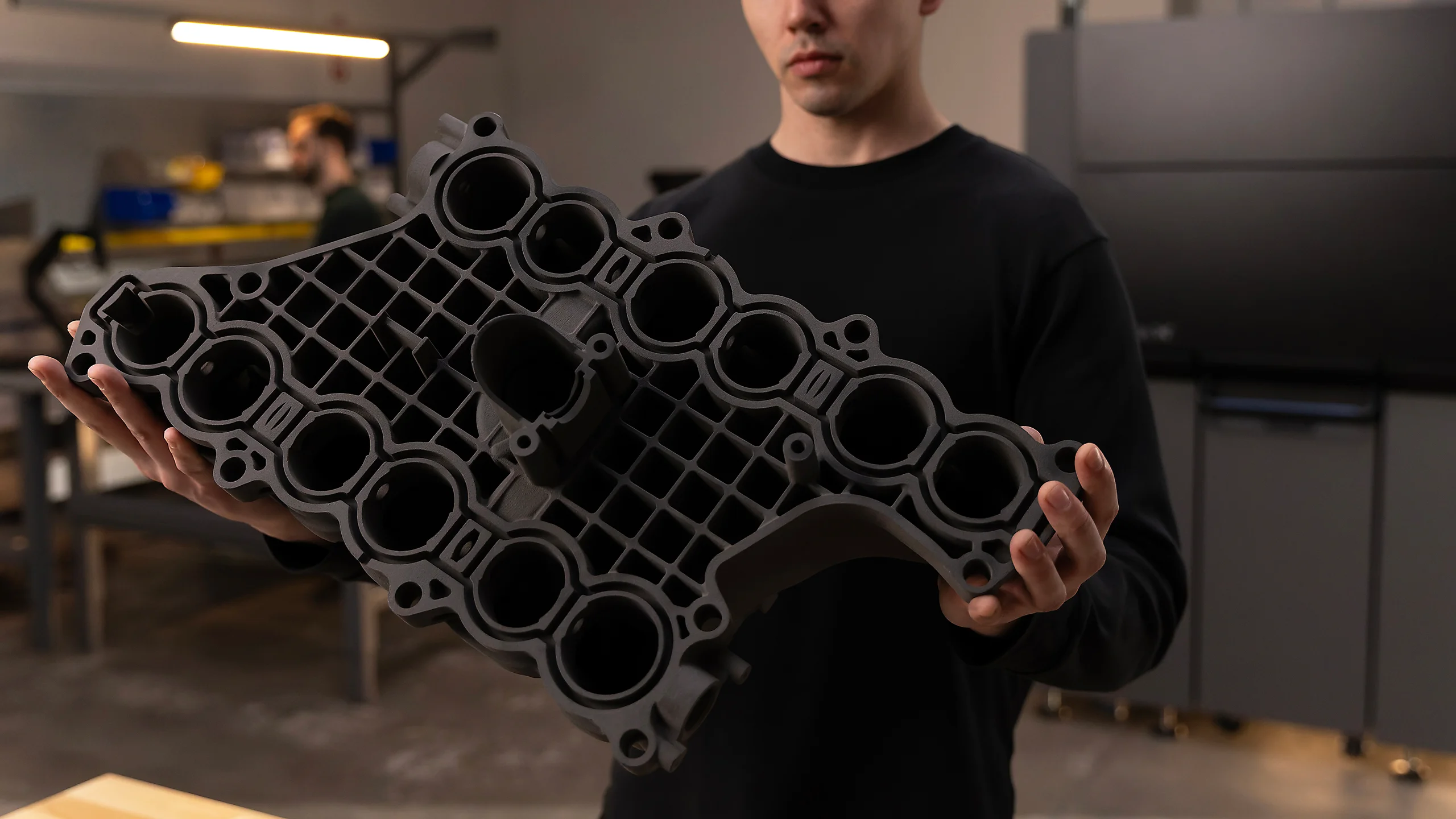
Formlabs Unveils the Fuse X1: A New Era for Industrial 3D Printing
Formlabs, the company that helped popularize professional desktop 3D printing, is now setting its sights on the factory floor. The Massachusetts-based firm has announced the Fuse X1, a selective laser sintering (SLS) 3D printer designed to make industrial additive manufacturing more accessible, affordable, and easier to use. Priced at $84,999, the Fuse X1 is available for order starting today, with shipments expected to begin in the fourth quarter of 2026.
The Fuse X1 is a direct response to the barriers that have historically kept smaller manufacturers and engineering teams from adopting industrial 3D printing. According to Formlabs CEO Max Lobovsky, the company's goal has always been to make it easier to go from an idea to a real thing. With the Fuse X1, Formlabs is applying the same playbook that made its desktop printers successful to larger, more demanding manufacturing environments.
Key Features and Capabilities
The Fuse X1 is an SLS printer that can produce production-quality parts in less than 24 hours. SLS technology uses a laser to fuse powdered material layer by layer, creating strong, durable parts without the need for support structures. This makes it ideal for functional prototypes, end-use parts, and small-batch production.
Formlabs has focused on reducing the total cost of ownership for the Fuse X1. The printer is designed to be easier to install and operate than traditional industrial SLS systems, which often require dedicated facilities and specialized training. By lowering these barriers, Formlabs hopes to bring industrial 3D printing to a wider audience, including product developers, engineering teams, and 3D printing service bureaus.

Company Background and Market Position
Founded in 2011 out of MIT, Formlabs has spent over a decade building printers that make professional-grade prototyping cheaper and faster. The company has since expanded into automation, materials, dental applications, industrial prototyping, and production. Fast Company named Formlabs one of its Most Innovative Companies in manufacturing in 2024.
Formlabs reports having about 700 employees and more than $250 million in annual revenue, and has been profitable for more than two years. The company has raised significant venture backing, including a $150 million SoftBank-led Series E in 2021 that valued the company at $2 billion. Earlier investors include New Enterprise Associates, Foundry, and Autodesk.
To date, Formlabs customers have printed more than 500 million parts using Formlabs printers and materials. Earlier products, such as the Form 4 and the Automation Ecosystem, focused on making 3D printing faster, more reliable, and more repeatable. The Fuse X1 extends that push into large-format SLS, a move that signals where Formlabs believes the industry is headed.
Implications for Manufacturing
The introduction of the Fuse X1 could have significant implications for the manufacturing sector. By reducing the cost and complexity of industrial 3D printing, Formlabs is enabling smaller manufacturers to adopt additive manufacturing for production runs. This could lead to faster prototyping, shorter lead times, and greater design flexibility.
Moreover, the Fuse X1's ability to produce parts in under 24 hours makes it suitable for on-demand manufacturing, reducing the need for large inventories and enabling just-in-time production. As 3D printing technology continues to mature, it is increasingly being seen as a complement to traditional manufacturing methods rather than a replacement.

Conclusion
With the Fuse X1, Formlabs is making a bold statement about the future of manufacturing. By applying its proven formula of affordability and ease of use to industrial-scale SLS printing, the company is poised to reshape how smaller manufacturers and engineering teams approach production. As the Fuse X1 begins shipping later this year, it will be interesting to see how the market responds to this new entrant in the industrial 3D printing space.
This article is based on reporting by Fast Company. Read the original article.
Originally published on fastcompany.com