Introduction: A Dashcam for the Reluctant Adopter
Utkarsh Sood, writing for New Atlas, opens his review of the DDPAI Z90 Master with a confession: he has never been an early adopter. He describes himself as someone who prefers manual transmissions, gas motorcycles with real clutches, physical buttons over touchscreens, and the occasional mechanical noise. That mindset, he suggests, is part of why he had avoided dashcams until now. But as everyday driving has become more chaotic, he could not turn down the chance to test DDPAI's new Z90 Master. It is his first-ever dashcam, so he has no personal baseline for comparison. Still, he knew DDPAI as a major player in the market.
That perspective gives the review a useful angle. Instead of a seasoned dashcam veteran comparing frame rates and parking modes, readers get the impressions of someone encountering the category fresh. The result is a grounded look at what a $299 flagship dashcam offers, how it mounts, and what optional features might add.
DDPAI's Flagship: Price and Positioning
The Z90 Master is DDPAI's latest flagship unit, priced at US$299. The company is a Chinese manufacturer that offers nearly 20 models, at least according to its store listings. That range matters because it shows DDPAI is not a niche experiment; it competes across multiple price points, and the Z90 Master sits at the top of its lineup.
For a flagship dashcam, $299 places it in a competitive middle-to-premium bracket. It is not the cheapest way to add basic recording to a car, but it is also not the most expensive. The key question is whether the hardware and video capabilities justify the price. Based on the review, the answer depends largely on how much you value high-resolution footage and expandability.
Design: Chunky, Visible, and Functional
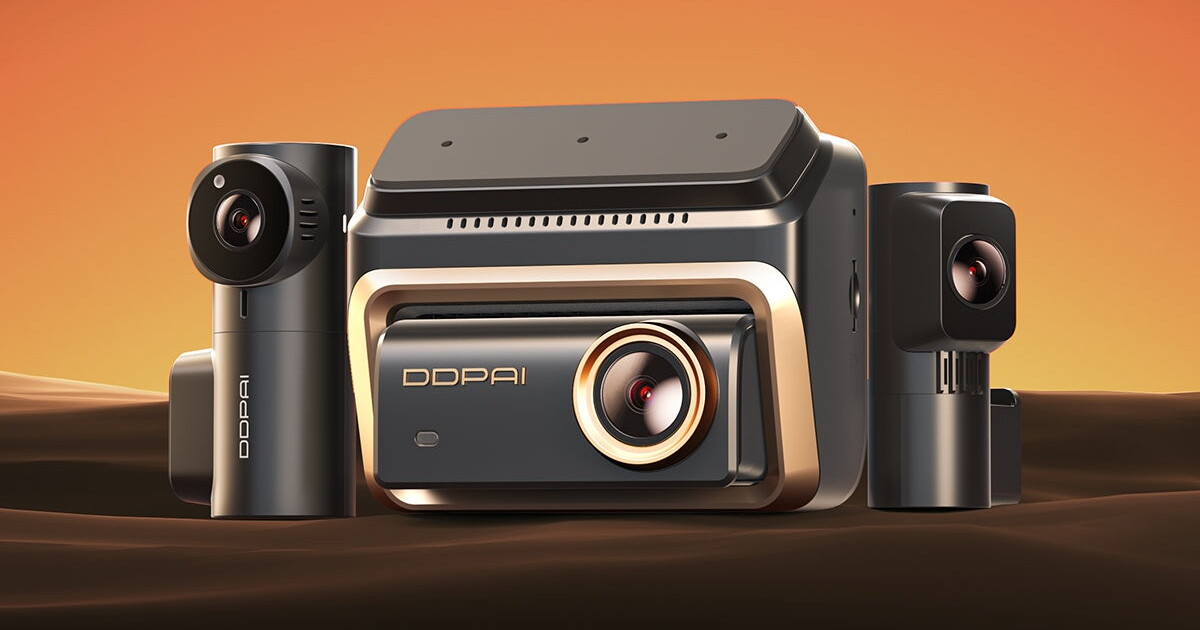
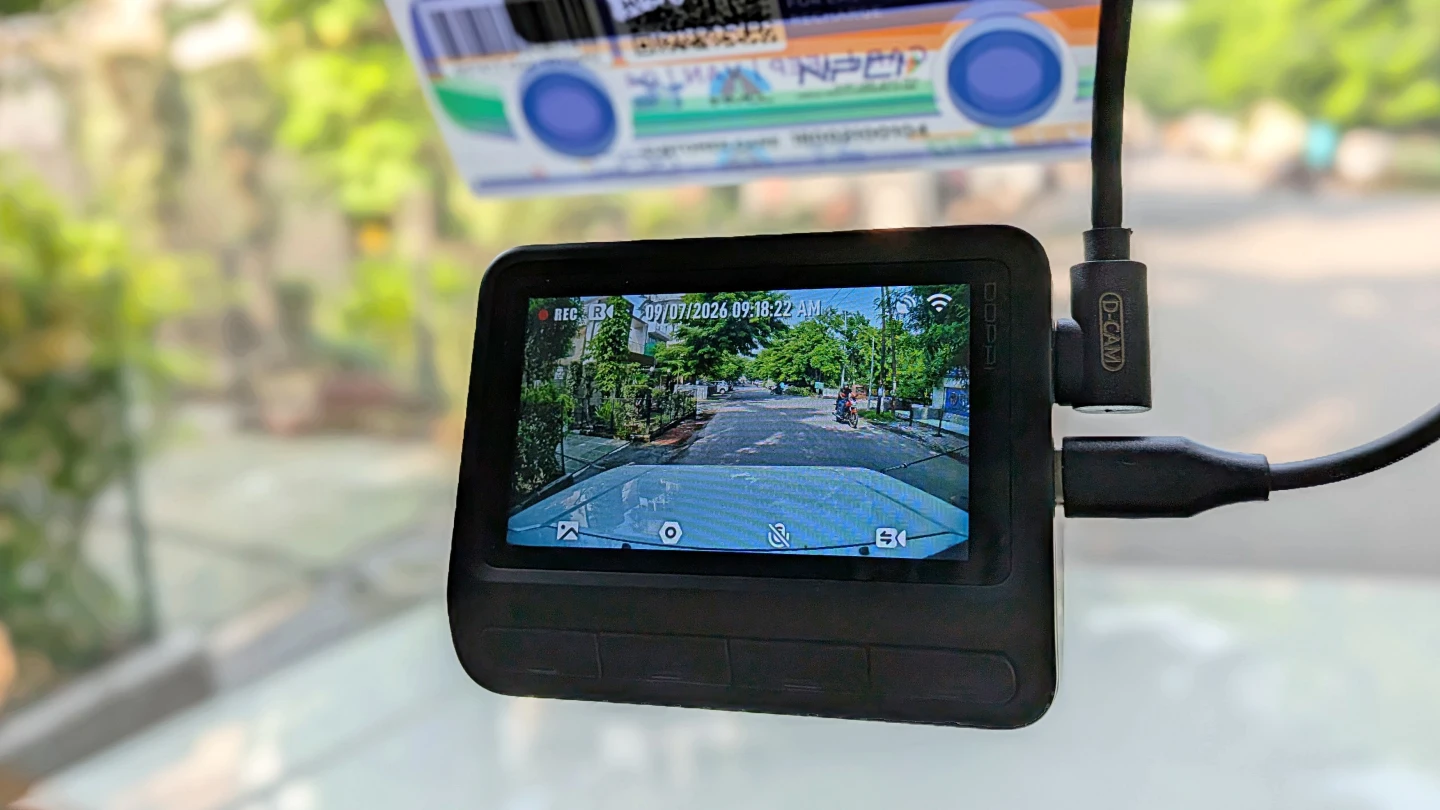
One of the first things Sood notes is that the Z90 Master is not the most discreet option available. He has seen plenty of dashcams in other vehicles, and this one stands out. It weighs 0.45 lb (204.5 g), making it fairly chunky. That size may be a trade-off for the features packed into the main housing.
The main unit includes a 3-inch screen with four control buttons underneath. A microSD slot sits on one side, while the other side holds the USB-C power input and the rear-camera connector. The lens module swivels, which makes it easier to dial in the correct angle for your windshield. That adjustable lens is a practical touch, especially for drivers who install the dashcam themselves and need to fine-tune the view.
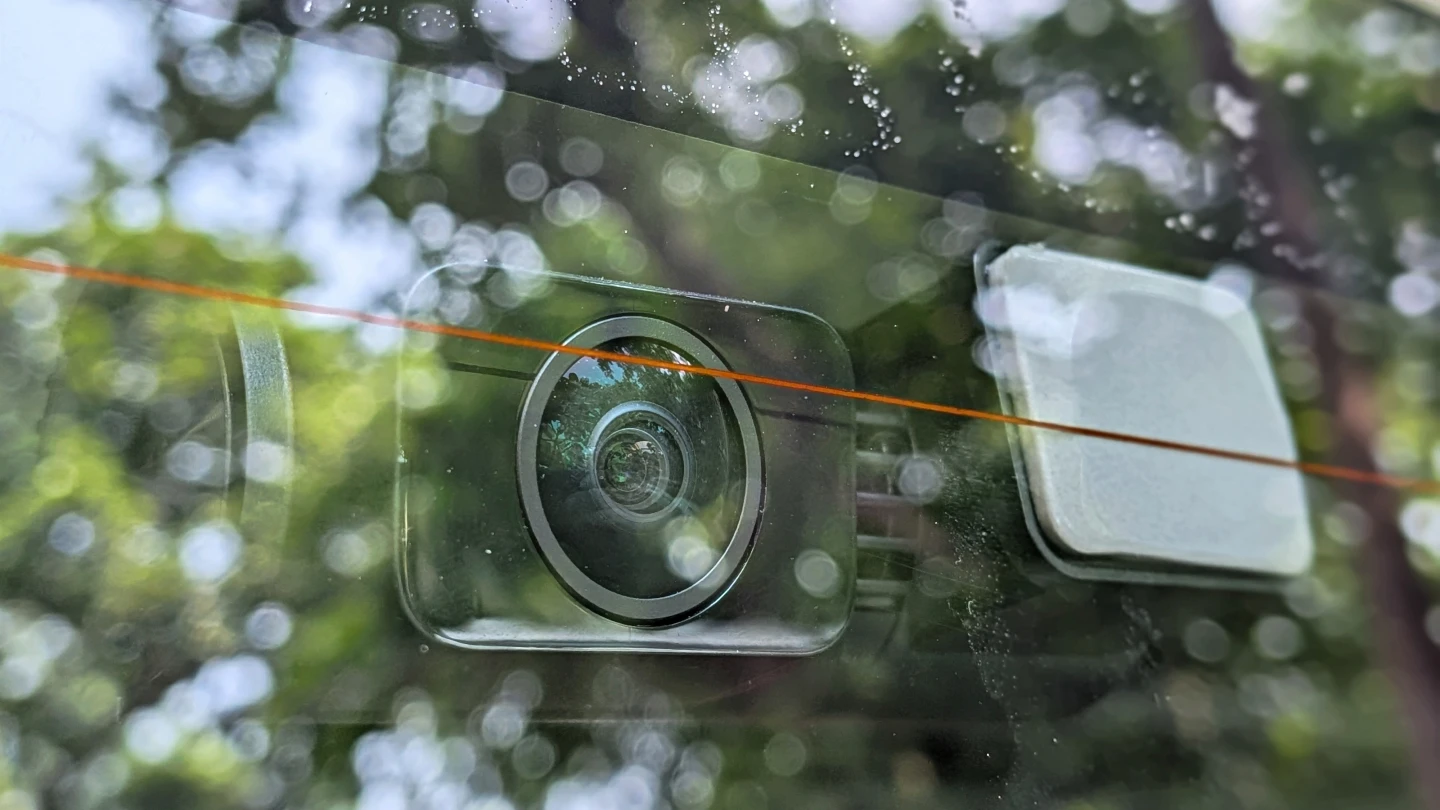
The rear camera is noticeably more compact. It also features an adjustable lens and runs off a single cable connected back to the main unit. In Sood's case, the included wiring was long enough to route between both cameras in his Jimny, and he notes it should offer plenty of slack for most standard vehicles. That is an important detail for buyers, because cable length can make or break a DIY installation.
Video Resolution: The Strongest Selling Point
Video resolution is easily one of the Z90 Master's strongest selling points. The front camera records up to native 4K, or 3K at a smoother 60 frames per second. That gives users a choice between maximum detail and smoother motion. Native 4K can capture more fine detail in a scene, which may be useful for reading license plates or documenting road conditions. The 3K at 60 fps option prioritizes fluidity, which can help when reviewing fast-moving traffic or sudden events.
For a first-time dashcam user, that flexibility is significant. Many entry-level dashcams offer only a single resolution or lower frame rates. The Z90 Master's dual-mode recording puts it closer to the versatility of an action camera, which is likely why the review frames it as 'basically an action cam for your car.' The comparison is not literal—dashcams are designed for continuous driving recording rather than extreme sports—but it captures the idea that this unit emphasizes high-quality video capture.
Optional Add-Ons: 4G Module and Interior Camera
The overall package can be expanded with an optional 4G module. This allows you to check live video feeds remotely from your phone while the car is parked. That feature could appeal to drivers who want extra peace of mind when leaving a vehicle in a public lot or on the street. It is a notable upgrade path, though it requires the add-on module.
There is also an optional third interior camera designed to monitor the cabin. That could be useful for rideshare drivers, fleet operators, or anyone who wants to keep an eye on the interior. Sood did not test either add-on, so his review focuses strictly on the core setup: the front- and rear-facing cameras. That limitation is worth keeping in mind, but the optional hardware shows DDPAI is thinking beyond a simple two-channel dashcam.
What the Z90 Master Says About the Dashcam Market
Dashcams have evolved from basic evidence-gathering devices into more sophisticated car electronics. The Z90 Master reflects that trend. It combines high-resolution front recording, a secondary rear camera, a screen for on-device control, and expansion options for remote viewing and cabin monitoring. The $299 price places it in the premium segment, but the feature set is designed to compete with other flagship dashcams.
DDPAI's broad catalog—nearly 20 models according to store listings—suggests the company serves many types of buyers. Some may want a simple, affordable camera. Others may want the Z90 Master's higher resolution and expandability. The review's first-time-user perspective is useful here because it highlights the setup experience and physical design rather than assuming deep familiarity with dashcam specs.
Who Should Consider the DDPAI Z90 Master?
Based on the review, the Z90 Master may appeal to several types of drivers:
- First-time dashcam buyers who want a flagship feature set and do not mind a larger main unit.
- Drivers who prioritize high-resolution video, including native 4K or smoother 3K at 60 fps.
- Owners of standard vehicles who need enough cable length to route between front and rear cameras.
- Users interested in optional remote monitoring through a 4G module.
- Drivers who might later add an interior camera for cabin coverage.
It may be less appealing to anyone who wants a completely discreet, hidden installation. The Z90 Master is not the smallest option, and its 3-inch screen and control buttons make it a visible presence on the windshield. That is a reasonable trade-off for some, but a dealbreaker for others.
The Verdict So Far
Sood is clear that this is his first dashcam, so he does not have a personal baseline for comparison. That means the review is not a direct shootout against other models. Still, his impressions point to a well-equipped flagship. The Z90 Master offers front 4K or 3K/60fps recording, a compact rear camera, a swiveling front lens, and a physical control scheme. The $299 price is significant, but it buys into DDPAI's top-tier hardware and an ecosystem of optional add-ons.
For drivers who have been hesitant to adopt a dashcam, the Z90 Master may serve as an accessible entry point—provided they can accept its chunky design. For experienced dashcam users, the main draw will be the video resolution and the option to expand with 4G remote viewing or an interior camera. The full review is available at New Atlas, where Sood details his first-ever dashcam experience.
This article is based on reporting by New Atlas. Read the original article.
Originally published on newatlas.com