Introduction: A New Era in Aviation
Aviation is entering a strange but exciting phase. For decades, most passenger aircraft have followed a similar tube-and-wing design. However, a wave of futuristic aircraft concepts is now moving closer to real-world service, promising to revolutionize how we fly. These designs aim to improve fuel efficiency, reduce emissions, and enable new capabilities. Here are seven of the most promising aircraft that could soon take to the skies.
1. Blended-Wing Body Aircraft
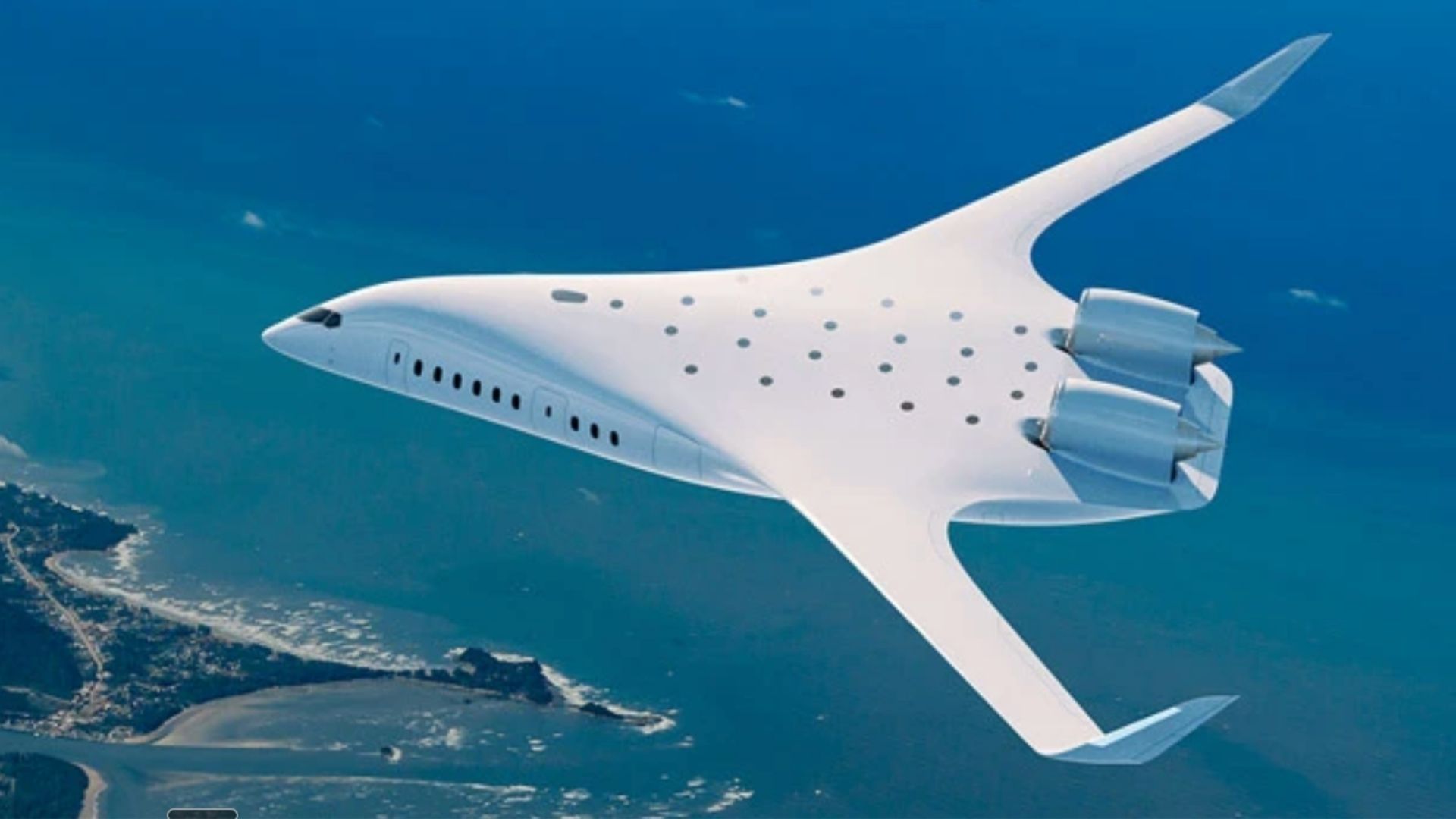
The blended-wing body (BWB) design merges the fuselage and wings into a single, smooth shape, reducing drag and improving lift. NASA and Boeing have been testing the X-48B and X-48C demonstrators, which have shown significant fuel savings. The design also offers more interior space for passengers or cargo. Airbus has its own concept, the MAVERIC, which could enter service by 2035. These aircraft could cut fuel consumption by up to 20% compared to conventional designs.

2. Hydrogen-Powered Aircraft
Hydrogen is emerging as a clean fuel for aviation. Airbus has unveiled three hydrogen-powered concept aircraft, including a turbofan, a turboprop, and a blended-wing body design. The ZEROe program aims to have a commercial hydrogen aircraft ready by 2035. These planes would emit only water vapor, making them a key part of the industry's decarbonization efforts. Challenges remain in hydrogen storage and infrastructure, but progress is accelerating.
3. Electric Vertical Takeoff and Landing (eVTOL) Aircraft
eVTOL aircraft are designed for urban air mobility, offering short-hop flights in and around cities. Companies like Joby Aviation, Lilium, and Volocopter are developing electric air taxis that can take off and land vertically. Joby's aircraft has already completed hundreds of test flights and aims for commercial service by 2025. These vehicles promise to reduce urban congestion and provide a new mode of transportation. Regulatory frameworks are being developed to integrate them into airspace.

4. Supersonic Business Jets
Supersonic travel is making a comeback, but this time focused on business jets. Companies like Boom Supersonic and Aerion are developing aircraft that can fly at Mach 1.5 or faster. Boom's Overture is designed to carry 65-88 passengers and is targeting entry into service by 2029. Aerion's AS2, a supersonic business jet, aims for 2027. These aircraft use advanced aerodynamics and engines to reduce sonic booms, making overland supersonic flight possible. They could cut transatlantic flight times in half.
5. Flying Wing Drones
Unmanned aerial vehicles (UAVs) are also adopting futuristic designs. The Northrop Grumman X-47B and the Boeing MQ-25 Stingray are flying wing drones designed for military operations. They offer stealth, long endurance, and high payload capacity. In the civilian sector, companies are developing flying wing drones for cargo delivery and surveillance. These aircraft eliminate the tail and fuselage, reducing weight and radar cross-section. They are already in limited service and will become more common.

6. Morphing Wing Aircraft
Morphing wings can change shape during flight to optimize performance. NASA and the Air Force Research Laboratory have tested flexible wing surfaces that replace traditional flaps and ailerons. The Adaptive Compliant Trailing Edge (ACTE) project demonstrated that morphing wings can reduce drag and noise. This technology could be applied to future commercial aircraft, improving fuel efficiency and maneuverability. It also enables quieter landings and more efficient cruising.
7. Hybrid-Electric Regional Aircraft
Hybrid-electric propulsion combines a conventional engine with electric motors, reducing fuel burn and emissions. Companies like Heart Aerospace and ATR are developing regional hybrid-electric aircraft. Heart's ES-19 is a 19-seat aircraft designed for short routes, with a range of 250 miles. It uses batteries for takeoff and climb, then switches to a turbogenerator for cruise. Entry into service is targeted for 2026. These aircraft could serve smaller airports and reduce the carbon footprint of regional travel.
Conclusion: The Future is Taking Shape
These seven aircraft designs represent the cutting edge of aviation innovation. From hydrogen power to blended wings, each concept addresses key challenges like emissions, efficiency, and noise. While some are still in testing, others are approaching certification and commercial deployment. The next decade will likely see these futuristic aircraft enter real-world service, transforming how we travel and transport goods. Aviation is indeed entering a strange but exciting phase, and the future of flight looks radically different from today.
This article is based on reporting by Interesting Engineering. Read the original article.
Originally published on interestingengineering.com