एक अल्पकालिक अध्याय
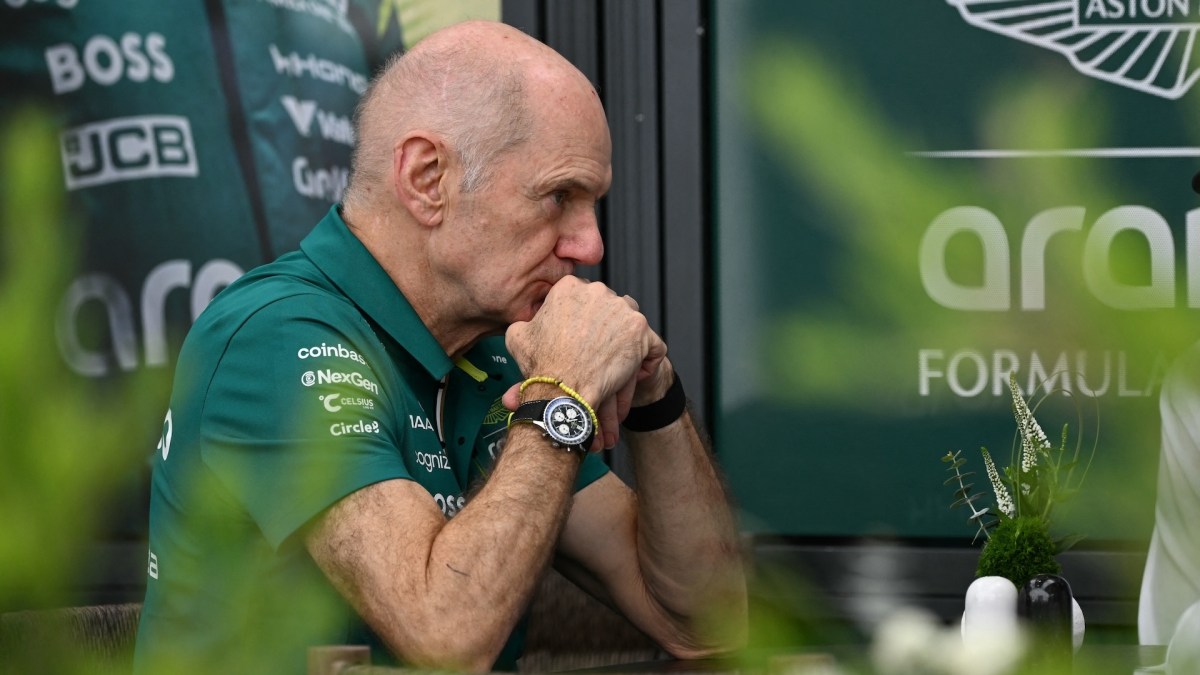
Adrian Newey, जिन्हें Formula One के इतिहास में सबसे महान ऑटोमोटिव डिजाइनर माना जाता है, को Aston Martin F1 में अपने पद से चार महीने से भी कम समय में हटने की खबरें मिल रही हैं, यह The Drive द्वारा उद्धृत कई रिपोर्टों के अनुसार है। यह प्रस्थान, यदि पुष्टि हो जाए, तो हाल के मोटरस्पोर्ट इतिहास में सबसे प्रत्याशित इंजीनियरिंग चालों में से एक के रूप में स्थापित किए गए कार्य की सबसे अचानक समाप्तियों में से एक होगा।
Newey Red Bull Racing से प्रस्थान करने के बाद Aston Martin के F1 कार्यक्रम में शामिल हुए, जहां उन्होंने दो दशक बिताए थे और Sebastian Vettel तथा Max Verstappen के साथ कई Constructors' और Drivers' चैंपियनशिप जीतने वाली कारें डिजाइन की थीं। Aston Martin में उनका आगमन Silverstone स्थित टीम के लिए एक परिवर्तनकारी कदम के रूप में स्वागत किया गया था, जिसके आने वाले कुछ वर्षों में ग्रिड के सामने प्रतिस्पर्धा करने के महत्वाकांक्षी लक्ष्य हैं।
2026 सीजन संदर्भ
Newey के प्रस्थान का समय महत्वपूर्ण है: यह इसके बाद आता है कि Aston Martin 2026 सीजन की पहली दो दौड़ों में से किसी में भी पॉइंट्स में समाप्त करने में विफल रहा, एक साल जो Formula One में एक व्यापक नई तकनीकी नियम पैकेज की शुरुआत को भी चिन्हित करता है। 2026 के नियम काफी हद तक संशोधित एरोडायनामिक और पावर यूनिट नियम पेश करते हैं — परिवर्तन इतने महत्वपूर्ण हैं कि टीमें बस मौजूदा कार अवधारणाओं को अपडेट नहीं कर सकती हैं बल्कि लगभग पूरी तरह शुरू से डिजाइन करना होगा।
विडंबनापूर्ण रूप से, 2026 के नियम परिवर्तन को Aston Martin जैसी टीमों के लिए Red Bull के तकनीकी लाभ को तटस्थ करने और सीजन में अधिक बराबरी के आधार पर प्रवेश करने का अवसर माना जाता था। प्रारंभिक परिणाम बताते हैं कि नियमों का रीसेट Aston Martin के पक्ष में काम नहीं आया है, और नई कार तथा नई नियमों के साथ सीजन में प्रदर्शन करने का दबाव आंतरिक तनाव पैदा करता प्रतीत होता है जो Newey के प्रस्थान को प्रतिबिंबित करेगा।
पुनर्गठन
रिपोर्ट्स बताती हैं कि संगठनात्मक परिवर्तन में Jonathan Wheatley शामिल हैं — वर्तमान में Audi F1 टीम प्रिंसिपल — जो संभावित रूप से Aston Martin में एक वरिष्ठ परिचालन भूमिका निभाने के लिए जा सकते हैं, जबकि Newey अपने वर्तमान शीर्षक से जुड़ी व्यापक नेतृत्व जिम्मेदारियों के बजाय एक पूरी तरह से तकनीकी फोकस में लौटेंगे। यह पुनर्गठन, यदि रिपोर्ट के अनुसार वास्तविकता में आता है, तो एक टीम में तकनीकी और परिचालन प्रबंधन कार्यों को अलग करने का प्रयास प्रतिनिधित्व करेगा जो तेजी से विस्तार करने का प्रयास कर रही है।
यह स्पष्ट नहीं है कि यह परिवर्तन Newey की प्राथमिकता, टीम प्रबंधन का निर्णय, या प्रारंभिक भूमिका परिभाषा दोनों पक्षों के लिए उपयुक्त नहीं थी इसकी पारस्परिक स्वीकृति का प्रतिनिधित्व करता है। Audi के प्रवक्ता ने Wheatley की संभावित चाल की रिपोर्ट्स की पुष्टि या खंडन करने से इनकार किया — एक प्रतिक्रिया जो आमतौर पर एक दृढ़ इनकार के बजाय एक सक्रिय चर्चा का संकेत देती है।
Aston Martin के लिए इसका अर्थ
कार विकास में Newey की दिन-प्रतिदिन की भागीदारी खोना, यहां तक कि आंशिक रूप से भी, एक टीम के लिए एक झटका होगा जिसने उनके आगमन को एक महत्वपूर्ण मोड़ के रूप में स्थापित करने में काफी संसाधन और सार्वजनिक विश्वासयोग्यता निवेश की थी। उन्हें तकनीकी सलाहकार क्षमता में रखना नुकसान को कम करेगा, लेकिन परिस्थितियां — खराब शुरुआती सीजन परिणामों के बाद लगभग तत्काल पुनर्गठन — वह कथा नहीं हैं जिसकी Aston Martin की स्वामित्व ने तब प्रत्याशा की थी जब उन्होंने उनके हस्ताक्षर की घोषणा की थी।
Formula One दशकों में अपने सबसे तकनीकी रूप से जटिल संक्रमण अवधियों में से एक में प्रवेश कर रहा है, 2026 के नियमों के साथ जो टीमों को पूरी तरह से नई एरोडायनामिक अवधारणाएं विकसित करने और नई हाइब्रिड पावर यूनिट्स को एकीकृत करने की आवश्यकता है। उस वातावरण में, Aston Martin में संगठनात्मक स्थिरता और तकनीकी नेतृत्व की स्पष्टता पहले से कहीं अधिक महत्वपूर्ण हैं — और रिपोर्ट किया गया पुनर्गठन अनिश्चितता की एक अवधि का प्रतिनिधित्व करता है जिसे टीम को जल्दी समाधान करना होगा।
यह लेख The Drive द्वारा रिपोर्टिंग पर आधारित है। मूल लेख पढ़ें।
Originally published on thedrive.com