A Launch Rate That Has No Precedent
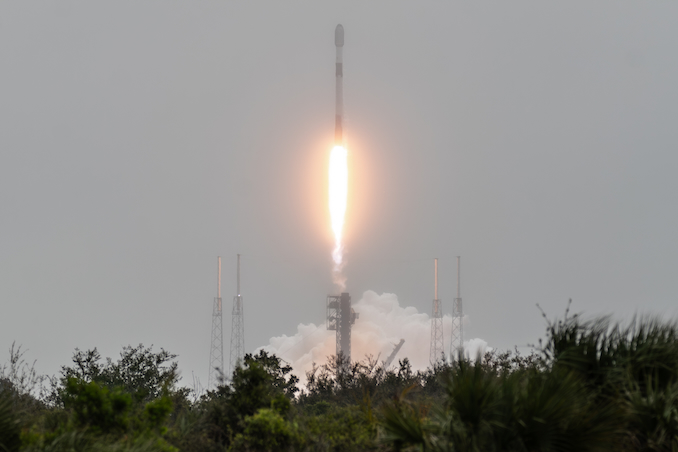
When historians look back at this era of space access, the launch cadence SpaceX has established with its Falcon 9 and reusable booster program will be among the defining achievements. The Starlink 10-33 mission — the 35th SpaceX launch of 2026 — lifted off from Space Launch Complex 40 at Cape Canaveral Space Force Station, adding another 29 Starlink V2 Mini satellites to a constellation now numbering in the thousands.
Thirty-five launches in roughly eleven weeks works out to more than three launches per week, sustained over months. No other orbital launch provider in history has approached this cadence. The United Launch Alliance, Rocket Lab, and Arianespace collectively launch fewer times per year than SpaceX achieves in months.
The Booster Behind the Numbers
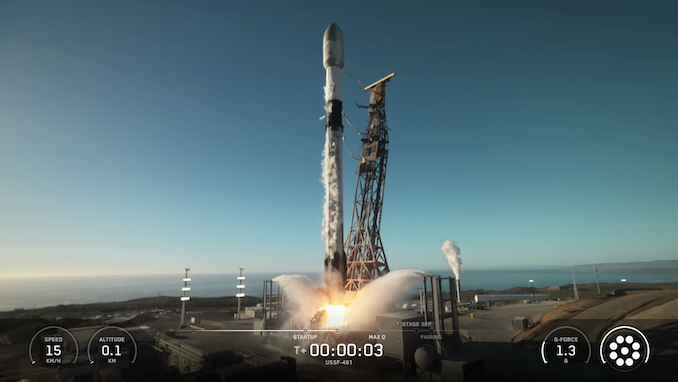
Falcon 9's reusability is the enabling technology behind this launch rate. The first stage booster that carried the Starlink 10-33 mission has flown more than ten times, returned to land on a drone ship in the Atlantic Ocean, and will be refurbished and flown again. This rapid turnaround — typically two to four weeks between flights for the same booster — is what allows SpaceX to maintain multiple boosters in rotation and launch from both coasts simultaneously.
The economics are equally transformative. A new expendable rocket costs $50-100 million per flight regardless of payload. A reused Falcon 9 booster, after initial development costs are amortized, approaches a fraction of that cost. SpaceX's ability to price Starlink constellation expansion at essentially its own marginal cost is a competitive advantage no other provider can match.
Starlink's Current Status
The Starlink constellation has surpassed 7,000 satellites in orbit as of early 2026. Not all are active at any given time — satellites reach end-of-life and are deorbited, and the constellation is in constant evolution as older first-generation satellites are replaced by more capable V2 Mini variants. Each V2 Mini satellite delivers significantly more bandwidth than the original generation, allowing SpaceX to improve service quality and capacity with each new mission.
Starlink now serves millions of subscribers globally, with particular importance in markets where terrestrial internet infrastructure is limited or unreliable. Maritime and aviation connectivity are growing commercial segments, and defense applications have expanded significantly following the demonstration of Starlink's utility in contested environments.
What This Cadence Enables
Beyond the Starlink constellation itself, SpaceX's extraordinary launch rate has broader implications for space access. The company routinely launches payloads for NASA, commercial satellite operators, and other government customers alongside its own Starlink missions. Each Falcon 9 reliability improvement makes SpaceX an increasingly attractive option for payloads that would previously have waited months for a rideshare opportunity.
The cadence also builds operational knowledge at a rate that is itself a competitive advantage. SpaceX launch teams that execute three missions per week develop expertise faster than teams that fly a handful of times per year. That operational edge compounds over time in ways that are difficult for competitors to close.

Looking Toward Starship
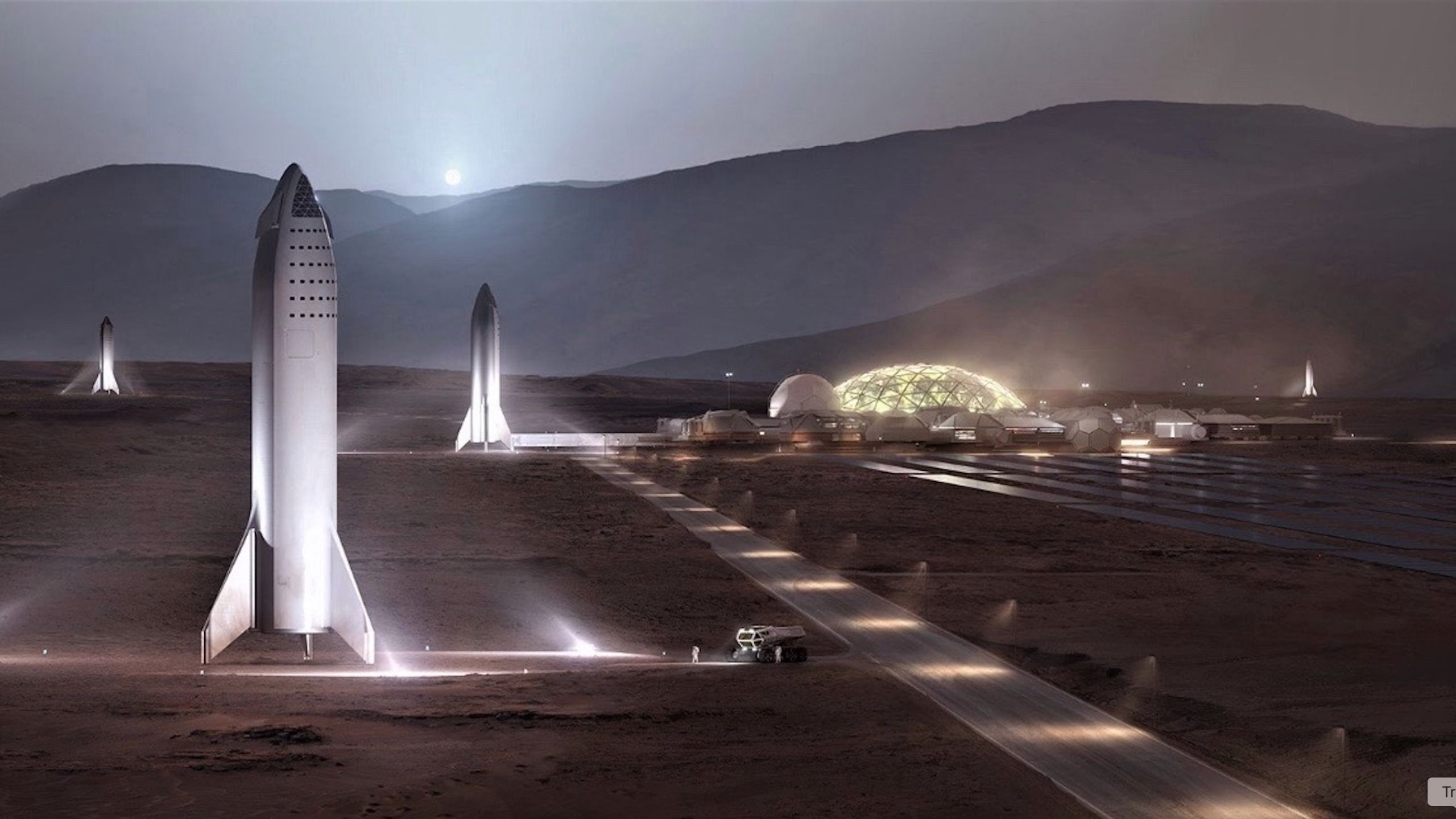
While Falcon 9 maintains its extraordinary cadence, SpaceX is simultaneously developing Starship — a fully reusable heavy-lift system with payload capacity an order of magnitude greater than Falcon 9. Starship will eventually allow SpaceX to dramatically accelerate Starlink next-generation deployments and enable missions to the Moon and beyond. The Falcon 9 cadence visible in missions like Starlink 10-33 represents the current steady state of SpaceX's operations — Starship represents the next chapter.
This article is based on reporting by Spaceflight Now. Read the original article.
Originally published on spaceflightnow.com