A Constellation of Unprecedented Scale
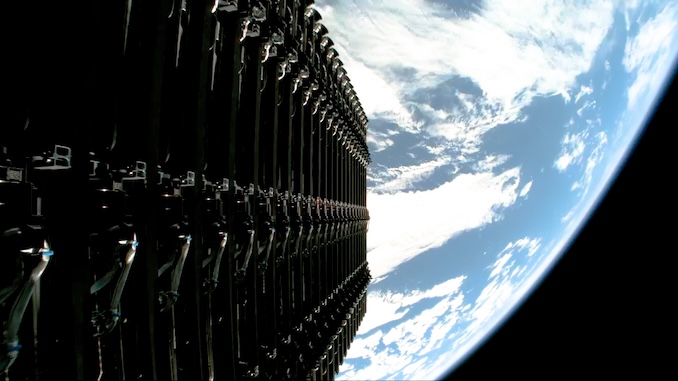
SpaceX has achieved a milestone that would have seemed almost fantastical when the company launched its first batch of Starlink satellites in May 2019: more than 10,000 Starlink satellites are now simultaneously active in low Earth orbit. The threshold was crossed following the deployment of 25 Starlink V2 Mini Optimized satellites from a Falcon 9 launch on the night of March 16-17, 2026 — coincidentally, the 100th anniversary of Robert Goddard's launch of the first liquid-propelled rocket.
Goddard's 1926 flight was powered by gasoline, a fuel ancestor to the kerosene that powers Falcon 9's Merlin engines. A century separated Goddard's 12-meter flight from the 615th Falcon 9 mission, which deployed a batch of internet satellites into an orbital shell already packed with thousands of its predecessors. The anniversary was not lost on SpaceX, which noted the historical coincidence.
The Growth of the Starlink Constellation
The pace at which SpaceX has built Starlink is extraordinary by any historical measure of large infrastructure projects. The constellation grew from zero to 10,000 satellites in roughly 83 months — a build rate that required manufacturing satellites at a pace of approximately 120 per month on average, with actual production accelerating significantly over that period as SpaceX scaled its Starlink factory in Redmond, Washington.
The current generation of deployed satellites — V2 Mini Optimized — are significantly more capable than the original Starlink V1 satellites. They carry more bandwidth per satellite, feature upgraded laser inter-satellite links that allow traffic to be routed without touching ground stations, and have improved station-keeping capabilities that extend operational lifetime. The combination of higher satellite count and greater per-satellite capability has substantially increased the network's total capacity.
Starlink currently serves more than four million subscribers worldwide, spanning residential, mobile, maritime, and aviation use cases. Military customers — including several NATO member states and the Ukrainian military — use Starlink for battlefield communications, a role the service has played with significant strategic impact since the 2022 Russian invasion of Ukraine.
The Falcon 9: A Workhorse of Unprecedented Reliability
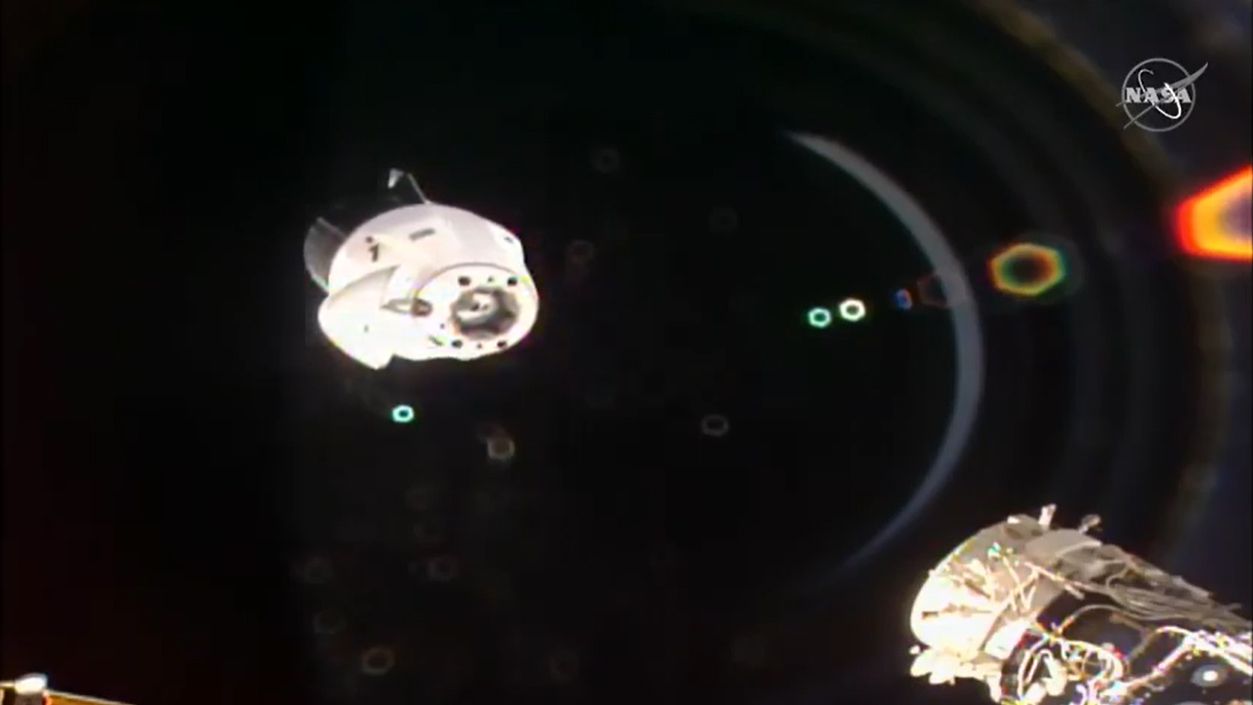
The 615th Falcon 9 flight marks a level of operational reliability that no other orbital rocket in history has approached. Falcon 9 has achieved a success rate exceeding 99.5 percent across more than 600 flights, with booster recovery enabling each first stage to fly multiple times. Some boosters have now flown more than 20 missions each. The economics of reuse have reduced Falcon 9 launch costs sufficiently that Starlink constellation maintenance and expansion is economically viable in a way that would be impossible with expendable vehicles.
SpaceX has also been qualifying Starship, its fully reusable super-heavy lift vehicle, as the next platform for Starlink deployment. Starship's much larger payload fairing and higher launch capacity would allow SpaceX to deploy larger batches of next-generation satellites in each mission, further accelerating constellation expansion. The Falcon 9 continues to serve as the operational workhorse in the meantime.
Competitive Context
SpaceX's 10,000-satellite milestone puts Starlink in a category of its own among orbital internet constellations. OneWeb, now operated under the Eutelsat brand following a merger, has approximately 600 satellites targeting enterprise and government customers. Amazon's Project Kuiper has launched a limited initial batch and aims to reach 3,236 operational satellites under its FCC license, though its commercial launch is still in early stages. China has authorized several domestic LEO constellations but deployment has been limited to test satellites so far.
The 10,000-satellite threshold is not a regulatory cap but a milestone reflecting SpaceX's progress across multiple FCC-licensed orbital shell configurations. SpaceX has approval to operate many more satellites than currently deployed and continues to add launches at a rate of several per month. The density of the constellation directly translates to lower latency and higher capacity for users, as each satellite serves a smaller geographic area and can offload traffic to neighbors via laser links more efficiently.

What 10,000 Satellites Means for Connectivity
For users in underserved areas — remote communities, islands, developing nations without extensive fiber infrastructure — Starlink's scale translates to more consistent, higher-speed service. As constellation density increases and capacity expands, SpaceX has also been able to reduce prices in some markets while improving service levels. Direct-to-device capability, allowing smartphones to connect to Starlink without specialized equipment, began rolling out in limited capacity in 2025 and is expected to expand throughout 2026 and beyond, further expanding the constellation's reach to previously unreachable users.
This article is based on reporting by Spaceflight Now. Read the original article.
Originally published on spaceflightnow.com