एक परिचित क्षुद्रग्रह रहस्य अभी और जटिल हो गया
बृहस्पति के ट्रोजन क्षुद्रग्रह लंबे समय से प्रारंभिक सौरमंडल के बारे में मूल्यवान संकेत माने जाते रहे हैं, लेकिन एक नया अध्ययन सुझाव देता है कि उस आबादी के छोटे सदस्य खगोलविदों की अपेक्षा के अनुसार व्यवहार नहीं कर सकते। Universe Today की रिपोर्ट के अनुसार, जापान के शोधकर्ताओं ने छोटे ट्रोजन क्षुद्रग्रहों का अध्ययन किया और पाया कि उनमें बड़े पिंडों में दिखने वाला वही स्पष्ट रंग-विभाजन नहीं है। लंबे समय से चले आ रहे एक प्रश्न का समाधान करने के बजाय, यह परिणाम एक नया प्रश्न खड़ा करता दिख रहा है।
पुराना प्रश्न रूपरेखा में सरल है। बड़े ट्रोजन क्षुद्रग्रहों में खगोलविदों ने दो व्यापक रंग-समूह पहचाने हैं: “red” और “less red”. ये लेबल केवल बाहरी नहीं हैं। इनका संबंध अलग-अलग क्षुद्रग्रह प्रकारों से है और, निहित रूप से, अलग-अलग सतही संरचनाओं या इतिहासों से। Red Trojans को सामान्यतः D-type क्षुद्रग्रहों से जोड़ा जाता है, जिन्हें स्रोत पाठ में अत्यंत अंधकारमय बताया गया है और माना जाता है कि वे जटिल कार्बनिक अणुओं से समृद्ध हैं। Less red Trojans के P-type या C-type होने की अधिक संभावना है, हालांकि पाठ में यह भी नोट किया गया है कि P-types का C-types की तुलना में D-types से अधिक साम्य हो सकता है, उनके स्पष्ट रूप से कम लाल spectral slope के अलावा।
चूंकि ट्रोजन को अक्सर सौरमंडल के गठन काल के समय-कैप्सूल के रूप में देखा जाता है, इसलिए यह रंग भेद महत्वपूर्ण है। यदि बड़े क्षुद्रग्रह साफ़ तौर पर अलग spectral groups में बंटते हैं, तो यह उत्पत्ति, संरचना, या पर्यावरणीय प्रसंस्करण में अंतर का संकेत दे सकता है। अपेक्षा यह हो सकती है कि उसी आबादी के छोटे सदस्य इस पैटर्न का कोई संस्करण सुरक्षित रखते। नया कार्य कुछ और ही सुझाता है।
शोधकर्ताओं ने क्या किया
छोटे ट्रोजन क्षुद्रग्रहों का अध्ययन तकनीकी रूप से कठिन है। Universe Today नोट करता है कि एक बड़ी चुनौती उनका घूर्णन है। छोटे क्षुद्रग्रह तेज़ी से घूमते हैं, और खगोलविदों को एक सटीक spectral profile बनाने के लिए अलग-अलग wavelengths में ली गई छवियों की आवश्यकता होती है। यदि क्षुद्रग्रह exposures के बीच बहुत अधिक घूम जाए, तो डेटा प्रभावी रूप से पिंड के अलग-अलग हिस्सों को नमूना करता है और अंतिम चित्र को विकृत कर सकता है।
इस समस्या से निपटने के लिए, शोधकर्ताओं ने हवाई में स्थित 8.2-meter Subaru Telescope पर Suprime-Cam instrument के अंतिम रन का उपयोग किया। स्रोत पाठ के अनुसार, Suprime-Cam ने इस परियोजना के लिए विशेष रूप से प्रासंगिक एक लाभ दिया: यह अपने successor, Hyper Suprime-Cam, की तुलना में filters को अधिक तेज़ी से बदल सकता था। उस कम filter-switching time ने observations के बीच क्षुद्रग्रह के घूर्णन की मात्रा घटा दी, जिससे तेज़ी से घूमने वाले छोटे पिंडों से अधिक साफ़ रंग मापन प्राप्त करने की संभावना बेहतर हुई।
टीम ने 120 छोटे ट्रोजन क्षुद्रग्रहों की पहचान की और उस सेट को लगभग 3 किलोमीटर से लेकर लगभग 16 किलोमीटर व्यास वाले 44 unbiased samples तक सीमित किया। यह आकार-सीमा महत्वपूर्ण है क्योंकि यह जांच को ट्रोजन आबादी के उस हिस्से में ले जाती है जिसे ऐतिहासिक रूप से red-versus-less-red चर्चा को परिभाषित करने वाले बड़े पिंडों की तुलना में वर्णित करना अधिक कठिन रहा है।

अप्रत्याशित परिणाम
Universe Today के वर्णन के अनुसार, केंद्रीय निष्कर्ष यह है कि छोटे ट्रोजन बड़े ट्रोजनों की तरह वही स्पष्ट color-coding नहीं दिखाते। यह उस अपेक्षा के उलट है जो बड़े क्षुद्रग्रहों की तस्वीर को सरल रूप में आगे बढ़ाने से बन सकती थी। परिचित red और less-red populations में साफ़ तौर पर विभाजित होने के बजाय, छोटे पिंड उस पैटर्न को तोड़ते दिखते हैं।
यह एक नया वैज्ञानिक प्रश्न खड़ा करता है। यदि बड़े ट्रोजनों में रंग-विभाजन वास्तविक और मजबूत है, तो वह छोटे पिंडों में क्यों कमज़ोर पड़ जाता है या गायब हो जाता है? स्रोत पाठ इसे हल की गई समस्या के रूप में नहीं बल्कि डेटा द्वारा उठाए गए एक वास्तविक नए प्रश्न के रूप में प्रस्तुत करता है। यही अक्सर planetary science में प्रगति का तरीका होता है: किसी ज्ञात विसंगति को समझाने के लिए बनाया गया अध्ययन किसी और जटिलता की परत उजागर कर देता है।
यह भी याद दिलाता है कि आकार ऐसे तरीकों से महत्वपूर्ण हो सकता है जो साधारण नहीं हैं। छोटे क्षुद्रग्रहों का collisional history अलग हो सकता है, उनकी surface renewal प्रक्रियाएँ अलग हो सकती हैं, या उन पर अलग observational biases प्रभाव डाल सकते हैं। दिया गया स्रोत पाठ यह निर्दिष्ट नहीं करता कि कौन-सा स्पष्टीकरण सबसे संभावित है, इसलिए किसी एक को चुनना अनुचित होगा। लेकिन यह निष्कर्ष स्वयं ही इस विचार को चुनौती देने के लिए पर्याप्त है कि ट्रोजन आबादी को सभी size scales पर लागू एक ही सरल compositional split से समझा जा सकता है।
ट्रोजन क्षुद्रग्रह इतने महत्वपूर्ण क्यों हैं
ट्रोजन क्षुद्रग्रह अंतरिक्ष में असामान्य स्थितियाँ घेरते हैं, क्योंकि वे बृहस्पति की कक्षा साझा करते हुए ग्रह के आगे और पीछे समूहों में एकत्रित रहते हैं। उनकी dynamical stability और अनुमानित प्राचीनता उन्हें उन शोधकर्ताओं के लिए आकर्षक लक्ष्य बनाती है जो प्रारंभिक सौरमंडल की परिस्थितियों को पुनर्निर्मित करना चाहते हैं। यदि इन पिंडों ने प्राचीन पदार्थ या गठन के प्राचीन संकेत सुरक्षित रखे हैं, तो उनकी spectral properties को समझना वैज्ञानिकों को यह जांचने में मदद कर सकता है कि वे कहाँ बने और कैसे विकसित हुए।
इसी कारण color categories ने इतना ध्यान खींचा है। Spectral slopes केवल वर्णनात्मक लेबल नहीं हैं; वे surface composition और environmental history से जुड़े observational clues हैं। बड़े ट्रोजनों में एक स्पष्ट विभाजन multiple source regions या divergent evolutionary paths के बारे में सिद्धांतों को आमंत्रित करता है। छोटे ट्रोजनों में कमजोर या अनुपस्थित विभाजन उन सिद्धांतों को scale को अधिक सटीक रूप से समझाने के लिए मजबूर करता है।
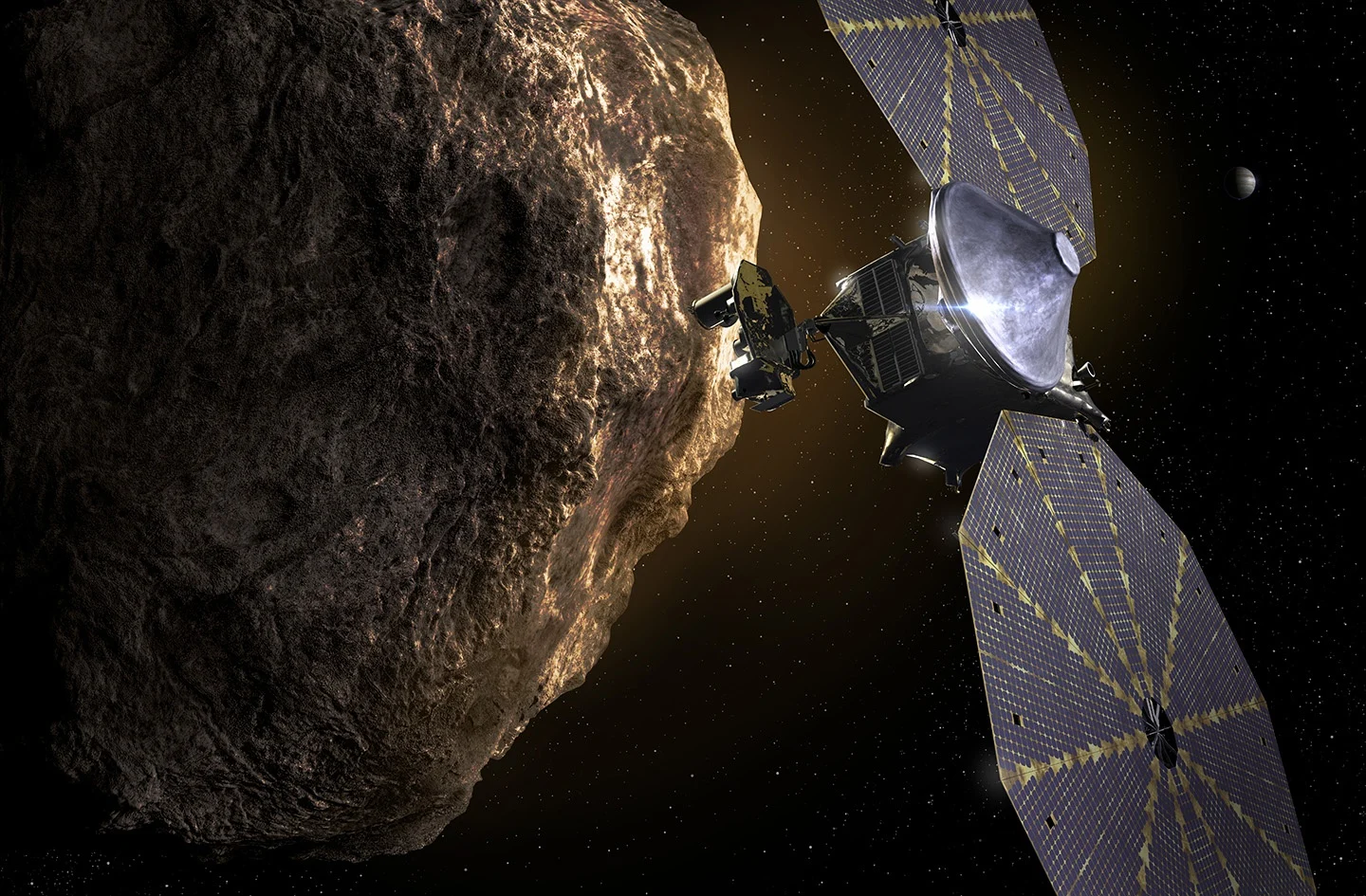
समय भी उल्लेखनीय है क्योंकि NASA’s Lucy mission ने ट्रोजन क्षुद्रग्रहों पर, एक वर्ग के रूप में, ध्यान बढ़ाया है। Universe Today की Lucy के लिए चित्रात्मक संदर्भ व्यापक संदर्भ को रेखांकित करता है: direct spacecraft exploration और बेहतर ground-based observations मिलकर इन पहले दूरस्थ माने जाने वाले पिंडों को एक अधिक सक्रिय शोध क्षेत्र में बदल रहे हैं। इसलिए ट्रोजन रंग-कथा को जटिल बनाने वाला यह अध्ययन ऐसे समय में आता है जब वैज्ञानिक समुदाय विशेष रूप से इस बात में रुचि रखता है कि ये क्षुद्रग्रह क्या प्रकट कर सकते हैं।
एक और मजबूत पहेली, कमजोर नहीं
वैज्ञानिक प्रगति को अक्सर अनिश्चितता में लगातार कमी के रूप में देखने की प्रवृत्ति होती है, लेकिन यह अध्ययन इस बात का अच्छा उदाहरण है कि खोज समस्या-क्षेत्र को कैसे बढ़ा सकती है। शोधकर्ताओं ने ट्रोजन रंगों से जुड़ी एक ज्ञात पहेली की जांच शुरू की थी। छोटे क्षुद्रग्रहों को स्थापित red और less-red ढाँचे में बस फिट करने के बजाय, उन्हें ऐसा प्रमाण मिला कि छोटे पिंड उस सुस्पष्ट वर्गीकरण का विरोध करते हैं।
यह परिणाम ट्रोजन कहानी को कम मूल्यवान नहीं बनाता। इसे अधिक समृद्ध बनाता है। यदि एक ही व्यापक आबादी के छोटे और बड़े सदस्य अपने observed color behavior में भिन्न हैं, तो ट्रोजन उत्पत्ति, surface chemistry, या collisional evolution के मॉडल को परिष्कृत करने की आवश्यकता हो सकती है। स्रोत सामग्री द्वारा समर्थित मुख्य बात यह है कि पुराना पैटर्न अब अपने आप पर्याप्त नहीं है।
अभी के लिए, अध्ययन का मुख्य योगदान प्रश्न को और तीखा करना है। बड़े ट्रोजनों में एक स्पष्ट रंग-विभाजन दिखता है। छोटे ट्रोजन, कम से कम इस नमूने में, नहीं। उस असंगति की व्याख्या करना इन क्षुद्रग्रहों की संरचना और सौरमंडल की शुरुआत के बारे में वे अब भी क्या बता सकते हैं, इसे समझने के लिए अधिक उपयोगी मार्गों में से एक बन सकता है।
यह लेख Universe Today की रिपोर्टिंग पर आधारित है। मूल लेख पढ़ें.
Originally published on universetoday.com