खगोल विज्ञान एक पैमाने की समस्या का सामना कर रहा है, सिर्फ एक असुविधा की नहीं
रॉयल एस्ट्रोनॉमिकल सोसाइटी, यूरोपीय सदर्न ऑब्ज़र्वेटरी और इंटरनेशनल एस्ट्रोनॉमिकल यूनियन की आपत्तियों को उजागर करने वाली एक रिपोर्ट के अनुसार, अमेरिकी फेडरल कम्युनिकेशंस कमीशन के समक्ष रखे गए दो प्रस्ताव रात के आकाश को मूल रूप से बदल सकते हैं। एक प्रस्ताव में SpaceX द्वारा AI के लिए डेटा सेंटर के रूप में काम करने हेतु दस लाख उपग्रहों को निम्न पृथ्वी कक्षा में भेजना शामिल है। दूसरे में Reflect Orbital द्वारा 50,000 दर्पण लॉन्च करने की योजना है, जिनका उद्देश्य अंधेरा होने के बाद पृथ्वी पर लक्षित क्षेत्रों पर सूर्यप्रकाश परावर्तित करना है।
इनमें से कोई भी परियोजना अकेले ही विवादास्पद होती। साथ मिलकर, ये इस धारणा को सीधी चुनौती देती हैं कि अंतरिक्ष अवसंरचना बिना स्थलीय खगोल विज्ञान और रात के आकाश के मानवीय अनुभव को अपरिवर्तनीय रूप से बदले, बढ़ती रह सकती है।
केवल संख्याएं ही बहस बदल देती हैं
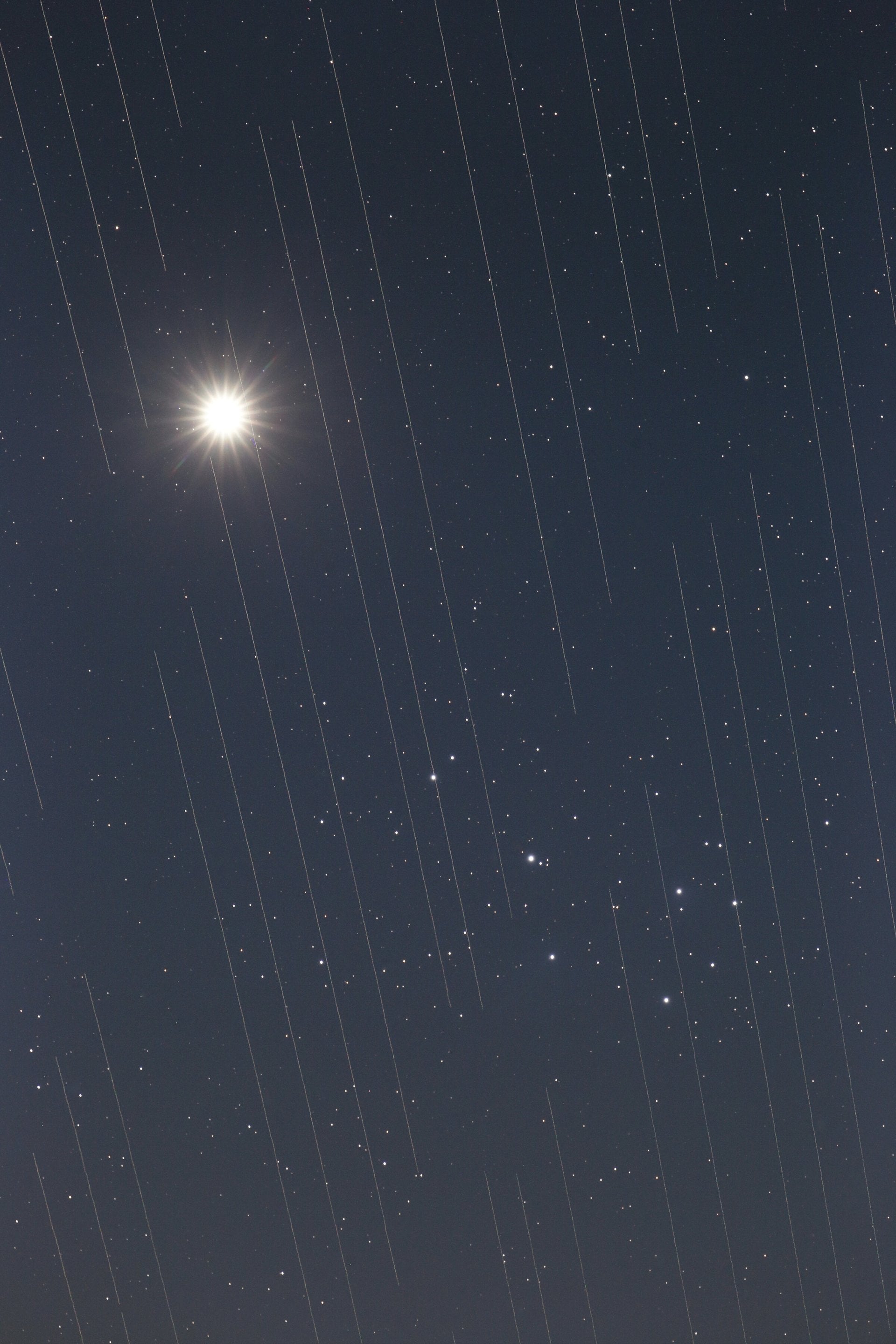
मेगाकॉन्स्टेलेशनों ने पहले ही खगोलविदों को दिखाई देने वाली उपग्रह रेखाओं और बढ़ी हुई आकाशीय अव्यवस्था के अनुरूप ढलने के लिए मजबूर किया है। लेकिन दस लाख उपग्रह इस प्रवृत्ति का सामान्य विस्तार नहीं हैं। यह पैमाने का बिल्कुल अलग स्तर है। रिपोर्ट के अनुसार, परावर्तकता कम करने के लिए विकसित की गई डार्क कोटिंग्स के बावजूद, किसी भी समय इनमें से हजारों उपग्रह नंगी आंखों से दिखाई देंगे।
वेधशालाओं पर इसके परिणाम काफी गंभीर हो सकते हैं। यूरोपीय सदर्न ऑब्ज़र्वेटरी के वेरी लार्ज टेलीस्कोप से उद्धृत अनुमानों के अनुसार, उपग्रहों की रेखाओं के कारण संस्था का 10% डेटा खो सकता है। रिपोर्ट नोट करती है कि ऐसा डेटा नुकसान पुनर्प्राप्त नहीं किया जा सकता और सुपरनोवा या पृथ्वी के निकट वस्तुओं जैसी क्षणिक घटनाओं को अस्पष्ट कर सकता है।
यह अंतिम बिंदु विशेष रूप से महत्वपूर्ण है। खगोलीय व्यवधान केवल सौंदर्यात्मक नहीं है। यह अल्पकालिक या तेज़ी से गतिमान घटनाओं के स्वच्छ अवलोकनों पर निर्भर समय-संवेदी विज्ञान को कमजोर कर सकता है।
दर्पण का प्रस्ताव और भी अधिक उकसाने वाला है
Reflect Orbital की योजना 50,000 दर्पणों को कक्षा में भेजकर अंधेरे के बाद पृथ्वी की ओर सूर्यप्रकाश निर्देशित करने की होगी, जिससे प्रभावी रूप से मांग पर व्यावसायिक सूर्यप्रकाश तैयार होगा। रिपोर्ट में कहा गया है कि रॉयल एस्ट्रोनॉमिकल सोसाइटी का आकलन है कि प्रत्येक किरण पूर्णिमा से चार गुना अधिक चमकीली होगी और वायुमंडलीय प्रकीर्णन गंभीर प्रकाश प्रदूषण पैदा करेगा। वहां उद्धृत गणनाएं संकेत देती हैं कि समग्र रात का आकाश अपनी प्राकृतिक अवस्था की तुलना में तीन से चार गुना अधिक उज्ज्वल हो सकता है।
यदि यह आकलन दिशा के स्तर पर भी सही है, तो मामला वेधशाला की असुविधा से आगे निकल जाता है। यह अंधकार को ही एक प्रबंधित व्यावसायिक संसाधन में बदल देने का संकेत देता है। रात अब एक मूल पर्यावरणीय स्थिति नहीं रहेगी। यह ऐसी चीज़ बन जाएगी जिसे कंपनियां कक्षा से बाधित कर सकती हैं।
यह संभावना प्रतिक्रिया की तीव्रता को समझाने में मदद करती है। खगोलिकी संस्थाएं केवल दूरबीन समय की रक्षा नहीं कर रहीं; वे एक साझा खगोलीय पर्यावरण के निरंतर अस्तित्व की रक्षा कर रही हैं, जिसका वैज्ञानिक, सांस्कृतिक और पारिस्थितिक महत्व है।
FCC का निर्णय वैश्विक रूप से क्यों मायने रखता है
यद्यपि लाइसेंसिंग प्राधिकरण संयुक्त राज्य अमेरिका में है, इसके प्रभाव राष्ट्रीय सीमाओं पर नहीं रुकेंगे। यदि कानून में हमेशा नहीं, तो व्यवहार में रात का आकाश एक वैश्विक साझा संसाधन है। किसी एक अधिकार-क्षेत्र में परावर्तकता या कक्षीय चमक बढ़ाने वाले निर्णय दुनिया भर में अवलोकनों को नुकसान पहुंचा सकते हैं।
राष्ट्रीय स्वीकृति और ग्रह-स्तरीय परिणाम के बीच यह असंगति अंतरिक्ष शासन में एक बार-बार सामने आने वाली समस्या रही है। प्रक्षेपण अर्थशास्त्र, स्पेक्ट्रम अधिकार और उपग्रह विनियमन अक्सर राज्य संस्थाओं द्वारा संभाले जाते हैं, जबकि प्रभाव पूरे ग्रह में फैलते हैं। यहां वर्णित प्रस्ताव इस तनाव को चरम पर ले जाते हैं।
AI का पहलू इस मुद्दे को और अधिक समकालीन बना देता है। SpaceX का प्रस्ताव कथित रूप से उपग्रहों को कक्षीय डेटा सेंटर के रूप में उपयोग करेगा। इसका अर्थ है कि AI अवसंरचना का विस्तार अब केवल स्थलीय डेटा-सेंटर फुटप्रिंट और ऊर्जा मांग तक सीमित नहीं है। यह एक कक्षीय पर्यावरणीय मुद्दा भी बन सकता है।

गहरा सवाल यह है कि आधुनिक उद्योग को कैसा आकाश बनाने की अनुमति है
तत्काल कहानी दो प्रस्तावों और विरोध की लहर के बारे में है। गहरी कहानी सीमाओं के बारे में है। विज्ञान और सार्वजनिक पर्यावरण पर संचयी लागत अस्वीकार्य होने से पहले कक्षा से कितना व्यावसायिक या तकनीकी लाभ निकाला जा सकता है?
प्रदान की गई रिपोर्ट यह नहीं बताती कि FCC क्या निर्णय लेगा। लेकिन यह स्पष्ट करती है कि खगोलिकी समुदाय इन योजनाओं को एक निर्णायक क्षण के रूप में देखता है। उपग्रह चमक को लेकर मौजूदा विवाद जल्द ही मामूली लग सकते हैं, जब उनकी तुलना ऐसे प्रोजेक्ट्स से की जाए जो या तो निम्न पृथ्वी कक्षा को अभूतपूर्व घनत्व पर भरने के लिए या अंतरिक्ष से रात में पृथ्वी को जानबूझकर अधिक उज्ज्वल बनाने के लिए बनाए गए हैं।
फिलहाल, ये केवल प्रस्ताव हैं। लेकिन प्रतिक्रिया दिखाती है कि खगोलविद अब केवल सीमांत शमन उपायों पर बहस नहीं कर रहे हैं। वे इस पर बहस कर रहे हैं कि क्या रात का आकाश स्वयं उस पैमाने पर औद्योगीकृत होने जा रहा है जो मानवता उसके ऊपर क्या देख सकती है, इसे स्थायी रूप से बदल सकता है।
यह लेख Universe Today की रिपोर्टिंग पर आधारित है। मूल लेख पढ़ें.
Originally published on universetoday.com