एक-ग्रह बायोसिग्नेचर से आगे बढ़ना
पृथ्वी से परे जीवन की खोज लंबे समय से दो विचारों के इर्द-गिर्द घूमती रही है: तरल पानी की तलाश करें और बायोसिग्नेचर खोजें। इसी ढांचे ने दशकों तक ग्रह-विज्ञान का मार्गदर्शन किया है और आधुनिक वेधशालाओं से अपेक्षित कुछ सबसे प्रतीक्षित अवलोकनों को आकार दिया है, जिनमें एक्सोप्लैनेट वायुमंडलों का अध्ययन करने के प्रयास भी शामिल हैं। लेकिन Universe Today द्वारा उजागर किया गया एक नया शोध प्रस्ताव तर्क देता है कि इस क्षेत्र को एक व्यापक रणनीति की जरूरत हो सकती है, ऐसी रणनीति जो केवल अलग-अलग ग्रहों पर ही नहीं, बल्कि दुनियाओं के समूहों में फैले पैटर्नों में भी जीवन की खोज करे।
The Astrophysical Journal में प्रकाशित और An Agnostic Biosignature Based on Modeling Panspermia and Terraforming शीर्षक वाला यह शोधपत्र Tokyo के Institute of Science में Earth-Life Science Institute के Harrison Smith और जापान के Okazaki City स्थित National Institute for Basic Biology की Lana Sinapayen का है। उनका केंद्रीय तर्क यह है कि पारंपरिक बायोसिग्नेचर की व्याख्या कठिन हो सकती है, क्योंकि पृथ्वी पर जीवन से जुड़े कई वायुमंडलीय या ग्रह-सम्बंधी लक्षण अन्य जगहों पर गैर-जैविक प्रक्रियाओं से भी उत्पन्न हो सकते हैं।
यह अनिश्चितता एस्ट्रोबायोलॉजी की मूल समस्याओं में से एक बन गई है। किसी दूरस्थ वायुमंडल में दिखने वाला संभावित संकेत उत्साह पैदा कर सकता है, लेकिन वैज्ञानिकों को फिर यह पूछना पड़ता है कि क्या रसायन, भूविज्ञान, विकिरण, या किसी अपरिचित ग्रह-परिप्रेक्ष्य ने जीवन के बिना भी वही पढ़त पैदा की हो सकती थी।
“पक्के सबूत” की समस्या
पारंपरिक बायोसिग्नेचर खोज अक्सर यह मानती है कि शोधकर्ता एक या अधिक निर्णायक संकेत किसी एक एक्सोप्लैनेट पर पहचान सकते हैं और फिर उनसे जैविक जीवन का निष्कर्ष निकाल सकते हैं। कठिनाई यह है कि ऐसा कोई संकेत सार्वभौमिक रूप से सुरक्षित नहीं है। पृथ्वी पर भी, वायुमंडलीय संरचना जीवविज्ञान, भूविज्ञान, जलवायु और तारकीय पर्यावरण के जटिल अंतर्संबंध का परिणाम होती है। पृथ्वी से बहुत अलग दुनियाओं में ये संबंध इतने अलग दिख सकते हैं कि गलत सकारात्मक परिणाम मिल जाएं।
शोधकर्ताओं का तर्क है कि technosignatures भी इसी तरह की कमजोरी से ग्रस्त हैं। तकनीक के प्रमाण ढूंढना इस धारणा पर आधारित है कि सभ्यताएं कैसे विकसित होती हैं, वे किस तरह के उपकरण उपयोग करती हैं, और किस प्रकार की ऊर्जा या बुनियादी संरचना बनाती हैं। ये धारणाएं शायद बहुत संकीर्ण या बहुत मानव-केंद्रित हों, इसलिए इन्हें भरोसेमंद सामान्य विधि नहीं माना जा सकता।
इसके बजाय लेखक एक “agnostic” दृष्टिकोण का वर्णन करते हैं। इस संदर्भ में agnostic का अर्थ जीवन में रुचि न होना नहीं है। इसका अर्थ है एलियन जीवविज्ञान या सभ्यता कैसी दिखनी चाहिए, इस बारे में मजबूत पूर्वधारणाओं से बचना। लक्ष्य ऐसे उभरते संकेतों की तलाश करना है जो बड़े पैमाने पर दिखाई दें और सामान्य ग्रह-प्रक्रियाओं द्वारा नकल किए जाने के प्रति कम संवेदनशील हों।
कई दुनियाओं में पैटर्न के रूप में जीवन
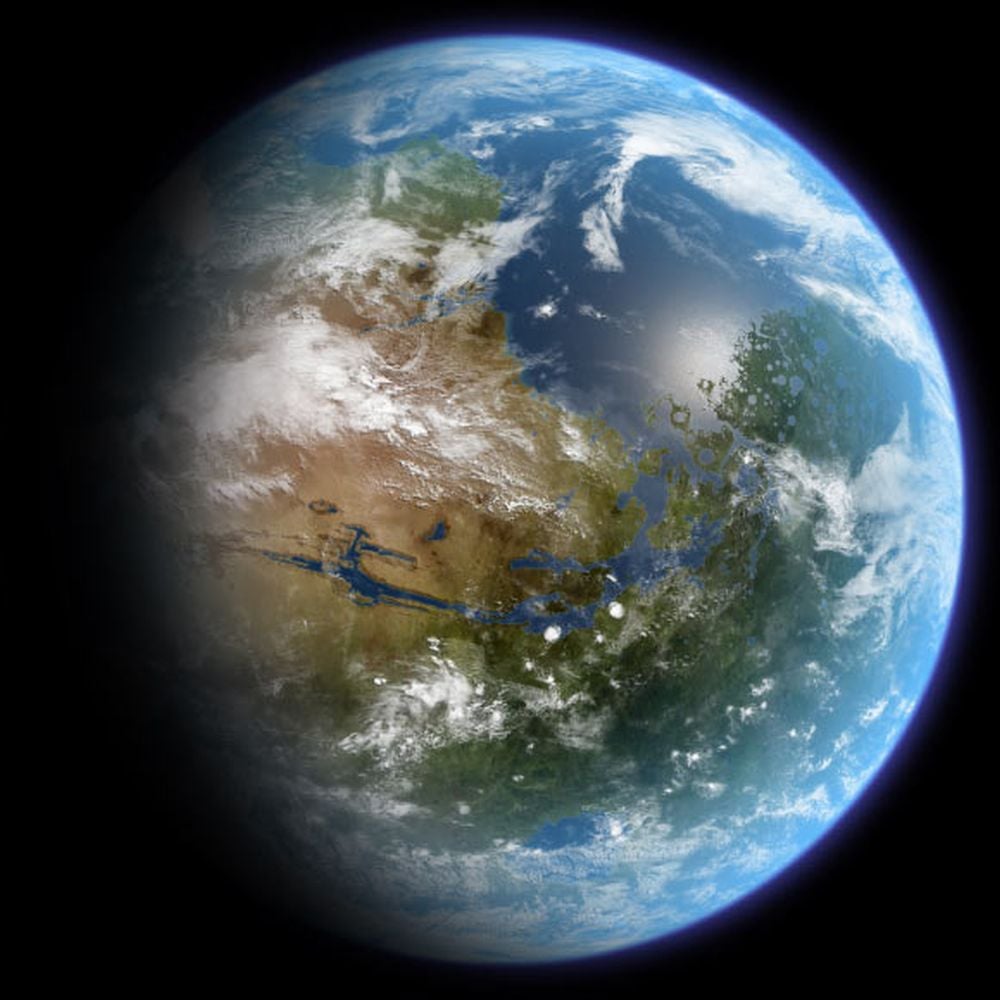
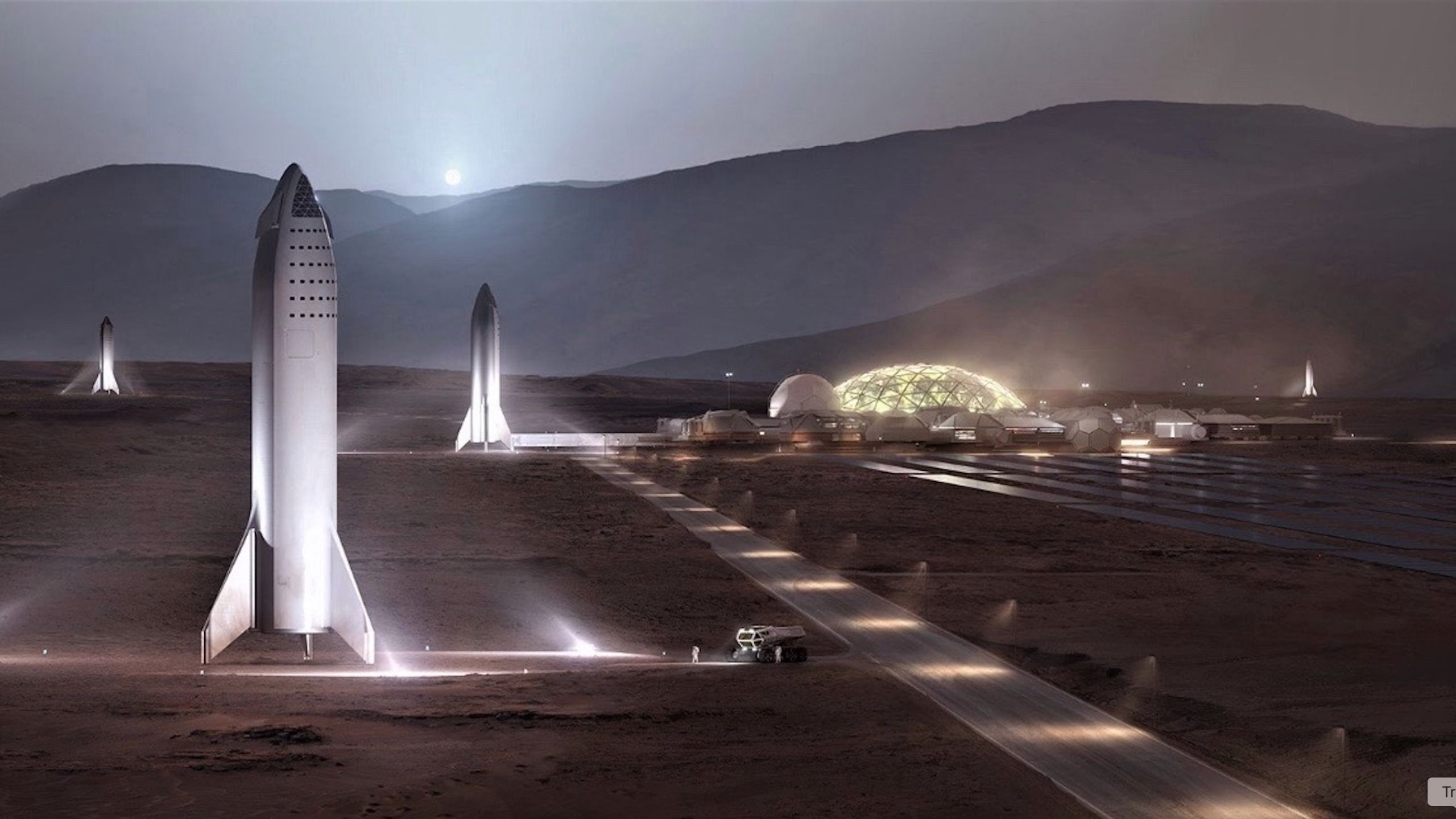
पेपर में खोजा गया विशिष्ट विचार यह है कि यदि जीवन ग्रह से ग्रह या तारकीय प्रणालियों के बीच फैलता है, तो यह ग्रहों के अवलोकनीय गुणों को इस तरह बदल सकता है कि वह दुनियाओं की एक आबादी में सांख्यिकीय रूप से दिखाई दे। जिन तंत्रों पर विचार किया गया है उनमें panspermia शामिल है, जिसमें जीवन प्राकृतिक रूप से फैलता है, और terraforming शामिल है, जिसमें बुद्धिमान प्राणी जानबूझकर ग्रहों को बदलते हैं।
यह पूछने के बजाय कि किसी एक एक्सोप्लैनेट में कोई निर्णायक वायुमंडलीय अणु है या नहीं, यह दृष्टिकोण पूछता है कि क्या ग्रहों का कोई समूह ऐसा पैटर्न दिखाता है जो जीवन के प्रसार या कई स्थानों पर पर्यावरण के पुनर्गठन के बिना उत्पन्न होना असंभव-सा हो। लेख के अनुसार, शोधकर्ताओं का तर्क है कि इस तरह का बड़े पैमाने का संकेत पारंपरिक एकल-दुनिया बायोसिग्नेचर की तुलना में अधिक मजबूत और गलत सकारात्मक परिणामों के प्रति कम संवेदनशील हो सकता है।
यह एक महत्वपूर्ण वैचारिक बदलाव है। यह जीवन-पता लगाने को एक-ग्रह फोरेंसिक पहेली की बजाय एक सिस्टम्स समस्या के रूप में पुनर्परिभाषित करता है। यदि यह सफल होता है, तो यह वैज्ञानिकों को ग्रहों की आबादियों में सहसंबंधों और संरचनाओं से जैविक जीवन का अनुमान लगाने की अनुमति दे सकता है, भले ही किसी भी व्यक्तिगत ग्रह पर कोई निर्णायक “पक्का सबूत” न मिले।
समय क्यों महत्वपूर्ण है
यह प्रस्ताव ऐसे समय आया है जब एक्सोप्लैनेट विज्ञान अधिक डेटा-समृद्ध युग में प्रवेश कर रहा है। दूरबीनें अब वायुमंडलों, कक्षीय गुणों और ग्रहों की जनसांख्यिकी को उन पैमानों पर चिह्नित करने में सक्षम हो रही हैं, जो एक पीढ़ी पहले अवास्तविक लगते। जैसे-जैसे ये कैटलॉग बढ़ते हैं, शोधकर्ताओं को एक ही प्रणालियों के भीतर और तारकीय पड़ोसों के पार दुनियाओं की तुलना करने का बेहतर अवसर मिलता है।
यह रुझान जनसंख्या-स्तरीय तर्क को अधिक व्यावहारिक बनाता है। ग्रहों के समूहों पर आधारित विधि की कल्पना करना तब कहीं अधिक कठिन था, जब केवल कुछ ही एक्सोप्लैनेट ज्ञात थे। आज, यह एक ऐसे क्षेत्र से मेल खाती है जो साधारण पहचान से आगे बढ़कर तुलनात्मक एक्सोप्लैनेटोलॉजी की ओर जा रहा है।
यह एक व्यावहारिक चुनौती का भी समाधान करता है। सौरमंडल के बाहर संभावित लक्ष्यों की संख्या विशाल है, लेकिन निश्चितता बहुत कम है। वैज्ञानिक इन दुनियाओं पर सीधे जा नहीं सकते, और उनके अवलोकन अक्सर अप्रत्यक्ष होते हैं। एक ऐसा ढांचा जो एकल-ग्रह के अस्पष्ट संकेत की मांग किए बिना भरोसा बढ़ाए, इसलिए उपयोगी हो सकता है, भले ही वह पारंपरिक बायोसिग्नेचर कार्य को पूरी तरह प्रतिस्थापित न करे।
यह विचार क्या बदलता है और क्या नहीं
यह प्रस्ताव तरल पानी, वायुमंडलीय रसायन या संभावित रहने योग्य ग्रहों के प्रत्यक्ष अध्ययन के महत्व को समाप्त नहीं करता। वे अभी भी क्षेत्र के केंद्र में हैं। न ही यह गारंटी देता है कि शोधकर्ताओं को ऐसा साफ-सुथरा सांख्यिकीय पैटर्न मिल जाएगा जो साबित कर दे कि जीवन दुनियाओं के बीच फैला है। यह विधि अभी भी मॉडल-आधारित अवधारणा है, पुष्टि किया हुआ detection pipeline नहीं।
यह जिस चीज को बदलता है, वह प्रश्न का दायरा है। केवल यह पूछने के बजाय, “क्या इस ग्रह में बायोसिग्नेचर है?”, नया दृष्टिकोण पूछता है, “क्या इन ग्रहों के बीच संबंध जीवन की क्रिया का संकेत देते हैं?” यह व्यापक framing वैज्ञानिकों को व्यक्तिगत संकेतों की अति-व्याख्या से बचाने में मदद कर सकती है, जबकि बड़े डेटा सेटों से अर्थ निकालना जारी रख सकती है।
यह पृथ्वी-केंद्रित अपेक्षाओं पर निर्भरता भी संभावित रूप से घटाता है। यदि एलियन जीवन परिचित वायुमंडलीय निशान नहीं बनाता, तब भी वह इस बात में निशान छोड़ सकता है कि किसी प्रणाली या क्षेत्र के भीतर कई ग्रह, गैर-जैविक विकास से अपेक्षित परिणामों से कैसे भिन्न हैं।
एक कठिन समस्या के लिए अधिक परिपक्व खोज रणनीति
एस्ट्रोबायोलॉजी हमेशा एक विरोधाभास का सामना करती रही है: जीवन सामान्य हो सकता है, लेकिन उसे दूर से साबित करना बेहद कठिन है। जैसे-जैसे वैज्ञानिक ग्रहों की विविधता के बारे में और सीखते हैं, वे सरल बायोसिग्नेचर समाधानों की घोषणा करने में उतने ही सतर्क होते जाते हैं। उस अर्थ में, नया पेपर एक परिपक्व होती हुई फील्ड को दर्शाता है। यह स्वीकार करता है कि अस्पष्टता एक अस्थायी असुविधा नहीं, बल्कि समस्या की संरचनात्मक विशेषता है।
प्रस्तावित उत्तर बायोसिग्नेचर छोड़ना नहीं है, बल्कि उन्हें एक उच्च-स्तरीय लेंस से पूरक करना है। ग्रहों के समूह ऐसी जानकारी ले जा सकते हैं जो एकल ग्रह नहीं ले पाते। यदि जीवन फैलता है, पर्यावरणों को संशोधित करता है, या पहचाने जाने योग्य तरीकों से समूहित होता है, तो सबूत एक शानदार एकल लक्ष्य से नहीं, बल्कि कई दुनियाओं को साथ देखने पर दिखने वाले पैटर्न से सामने आ सकता है।
यह जनता द्वारा कल्पित खोज-कथा से अलग होगी। यह संभवतः किसी एक पृथ्वी-जैसी दुनिया से आने वाली एक नाटकीय वायुमंडलीय पढ़त के रूप में नहीं आएगी। यह ग्रहों की आबादियों, मॉडल किए गए मार्गों और असामान्य प्रणाली-व्यापी संरचना से निर्मित एक निष्कर्ष के रूप में सामने आ सकती है।
एक ऐसे क्षेत्र के लिए जो लगातार जटिलता से परिभाषित होता जा रहा है, यही शायद उसे चाहिए।
यह लेख Universe Today की रिपोर्टिंग पर आधारित है। मूल लेख पढ़ें.

Originally published on universetoday.com