Hubble's Looming Reentry
NASA's Hubble Space Telescope is gradually losing altitude due to atmospheric drag and is predicted to reenter Earth's atmosphere by 2033. Without intervention, the iconic observatory will be lost. However, NASA is exploring a reboost mission to extend Hubble's operational life, but only if the telescope's operating costs can be reduced.
Swift Rescue Mission Paves the Way
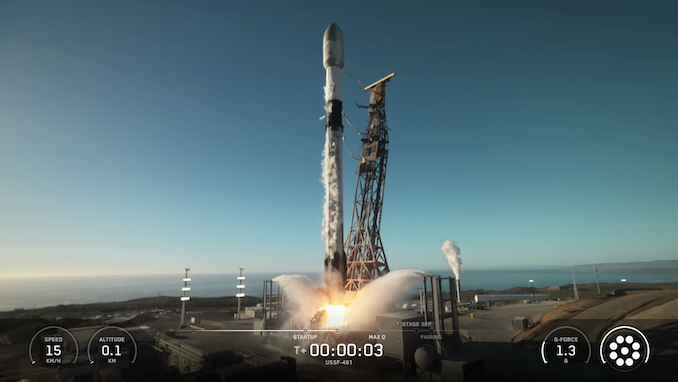
NASA is currently preparing a rescue mission for the Neil Gehrels Swift Observatory, which launched in 2004 to study gamma-ray bursts. Swift has a 50% chance of uncontrolled reentry by mid-2026. To prevent this, NASA has contracted an Arizona-based startup to develop the LINK spacecraft, which will rendezvous with Swift and boost it to a more stable orbit. This mission demonstrates that reboost technology is now available at lower costs than anticipated.
Shawn Domagal-Goldman, director of NASA's astrophysics division, noted during a meeting of the Astronomy and Astrophysics Advisory Committee that the lower costs make the return on investment more enticing. This success has opened the door to considering a similar mission for Hubble.
Hubble's Unique Challenges
Hubble launched on April 24, 1990, via Space Shuttle Discovery, initially orbiting at 360 miles (579 km). It has since descended to about 326 miles (525 km). Between 1993 and 2009, NASA used shuttle servicing missions to boost Hubble's orbit multiple times. In 2022, NASA and SpaceX studied a commercial reboost to 373 miles (600 km), but no mission was executed.
Unlike Swift, Hubble's operating costs are significantly higher. Domagal-Goldman stated, "It was built in a different era, and it's more costly to maintain and to get the best science out of it." Before committing to a reboost, NASA must find ways to reduce these costs to make the mission financially viable.
Cost Reduction Strategies
NASA is evaluating options to lower Hubble's operational expenses, which include staffing, data processing, and maintenance. Potential strategies include streamlining operations, leveraging automation, or partnering with commercial entities. The agency has not disclosed specific targets but emphasizes that cost reduction is a prerequisite for any reboost mission.
Domagal-Goldman expressed openness to a Hubble reboost, saying, "We are open to a reboost of Hubble. So, we have to first figure out how we're going to bring down the operations costs."
What a Reboost Would Achieve
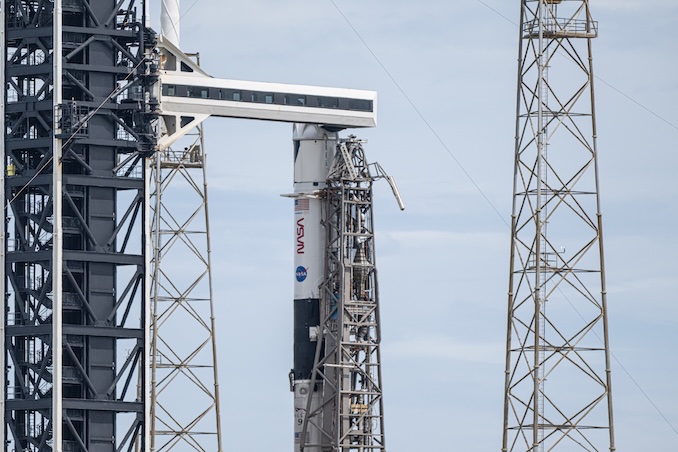
A successful reboost could raise Hubble to a higher altitude, reducing atmospheric drag and extending its life by several years. This would allow continued scientific observations, including deep-field imaging and studies of exoplanets, dark energy, and galaxy evolution. Hubble's unique capabilities complement newer telescopes like the James Webb Space Telescope.
The feasibility study with SpaceX in 2022 demonstrated that commercial partners could provide cost-effective reboost services. However, no follow-up mission was announced, likely due to the unresolved cost issues.
Broader Implications for NASA
The decision on Hubble's future reflects NASA's broader strategy to balance legacy missions with new projects. Extending Hubble's life could delay its replacement and free up budget for other priorities. Conversely, decommissioning Hubble would end an era of groundbreaking discoveries.
NASA's astrophysics division is weighing these trade-offs. The Swift rescue mission serves as a test case for commercial reboost services, which could become a standard tool for maintaining aging satellites. If successful, it might lower the barrier for future Hubble-like missions.
Timeline and Next Steps
NASA has not announced a timeline for deciding on Hubble's reboost. The agency is expected to review cost reduction proposals and assess the outcome of the Swift mission later this year. A decision could come in 2027, allowing time to develop a mission before Hubble's orbit decays further.
In the meantime, Hubble continues to operate, albeit with increasing risk of failure. Its instruments remain functional, and scientists are maximizing its remaining life. The astronomical community is watching closely, hoping that a cost-effective solution can be found to keep Hubble alive.
This article is based on reporting by Gizmodo. Read the original article.
Originally published on gizmodo.com