अंतरिक्षयान के लिए एक परिचित समझौते का नया समाधान
छोटे उपग्रहों को अक्सर प्रणोदन के मामले में समझौता करना पड़ता है। रासायनिक प्रणालियाँ थ्रस्ट के मजबूत झटके देती हैं, लेकिन ईंधन जल्दी खर्च करती हैं, जबकि विद्युत प्रणोदन कहीं अधिक दक्षता के साथ काम कर सकता है, लेकिन आम तौर पर केवल हल्के, निरंतर धक्के देता है। MIT के शोधकर्ता अब एक ऐसा कॉन्सेप्ट बता रहे हैं जो एक ही प्रणोदक का उपयोग दोनों मोड में करके इस अंतर को कम कर सकता है।
यह काम, Journal of Propulsion and Power में प्रकाशित, एक हाइब्रिड आर्किटेक्चर पर केंद्रित है जो एक इलेक्ट्रोस्प्रे थ्रस्टर को रासायनिक रॉकेट मोड के साथ जोड़ता है। इसे संभव बनाने वाला घटक ASCENT है, जिसे पहले AF-M315E के नाम से जाना जाने वाला एक तथाकथित ग्रीन प्रोपेलेंट है।
ASCENT ध्यान क्यों खींच रहा है
हाइड्राज़ीन लंबे समय से एक मानक अंतरिक्षयान प्रणोदक रहा है, लेकिन इसे संभालना कठिन और खतरनाक है। स्रोत पाठ में इसे विषैला, कैंसरकारी और संक्षारक बताया गया है, और इसके लोडिंग प्रक्रियाओं के लिए व्यापक सुरक्षा की आवश्यकता होती है। ASCENT को एक सुरक्षित विकल्प के रूप में विकसित किया गया था और, उपलब्ध सामग्री के अनुसार, यह हाइड्राज़ीन की तुलना में विशिष्ट आवेग में लगभग 50% की वृद्धि भी देता है।
ASCENT का 2019 में NASA के Green Propellant Infusion Mission पर पहले ही फ्लाइट-टेस्ट हो चुका था। MIT शोधकर्ताओं का ध्यान इस बात ने खींचा कि यह एक आयनिक द्रव भी है। यह महत्वपूर्ण है, क्योंकि आयनिक द्रव इलेक्ट्रोस्प्रे थ्रस्टरों के लिए प्रणोदक के रूप में काम कर सकते हैं, जो किसी तरल से आवेशित आयन निकालकर और उन्हें अंतरिक्ष में तेज़ी से भेजकर थ्रस्ट उत्पन्न करते हैं।
लेगो-आकार का परीक्षण और लंबे समय तक चलने वाला थ्रस्ट
यह देखने के लिए कि ASCENT इस भूमिका में काम करेगा या नहीं, टीम ने एक वैक्यूम चैंबर और चुंबकीय लेविटेशन के साथ एक कस्टम परीक्षण सेटअप का उपयोग किया, ताकि अंतरिक्ष जैसी परिस्थितियों की नकल की जा सके। उन्होंने थ्रस्टर से जुड़े एक छोटे रिज़र्वायर में केवल 1 ग्राम ASCENT भरा और थ्रस्ट उत्पन्न करने के लिए वोल्टेज लगाया।
परिणाम बल में मामूली था, लेकिन अवधि में महत्वपूर्ण। प्रयोग ने इतना थ्रस्ट उत्पन्न किया कि एक लेविटेटिंग उपग्रह मॉडल घूम सका, और यह 100 घंटे तक चलता रहा। छोटे उपग्रहों के लिए, इस तरह का लंबे समय तक चलने वाला, दक्ष नियंत्रण स्टेशन-कीपिंग, अभिविन्यास समायोजन और क्रमिक कक्षीय बदलावों के लिए उपयोगी है।
CubeSats के लिए डुअल-मोड प्रणोदन क्यों महत्वपूर्ण हो सकता है
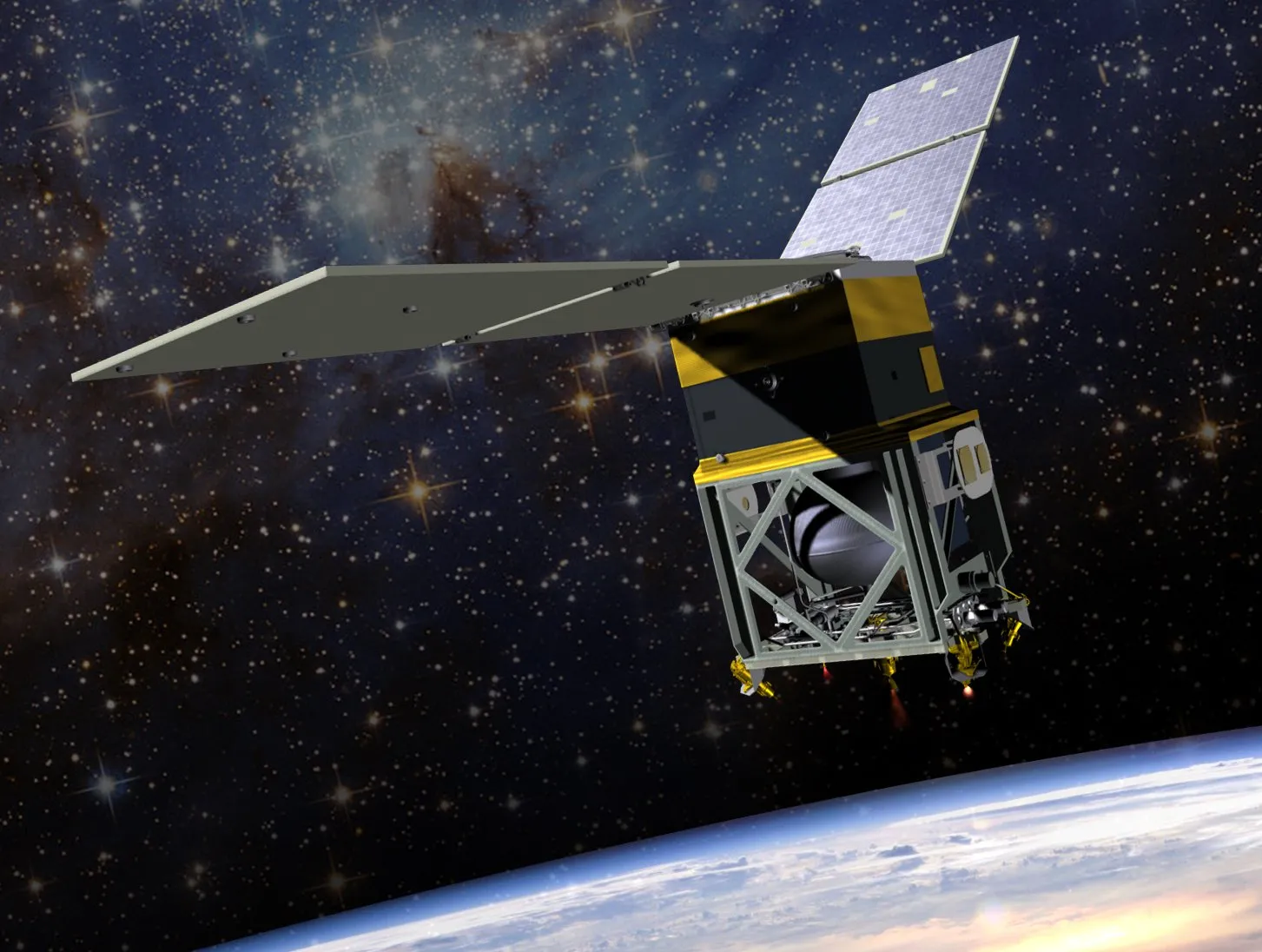
असल आकर्षण केवल यह नहीं है कि ASCENT ने इलेक्ट्रोस्प्रे थ्रस्टर में काम किया। बात यह है कि वही प्रणोदक एक ही अंतरिक्षयान में उच्च-थ्रस्ट और उच्च-दक्षता दोनों ऑपरेशनों को समर्थन दे सकता है। सिद्धांत रूप में, एक CubeSat रासायनिक प्रणोदन का उपयोग तब कर सकता है जब उसे अधिक तीखा maneuver चाहिए, और फिर लंबी अवधि तक सूक्ष्म नियंत्रण के लिए इलेक्ट्रोस्प्रे मोड पर स्विच कर सकता है।
इससे अलग-अलग प्रणोदक और सहायक हार्डवेयर वाली अलग प्रणोदन प्रणालियाँ ले जाने की जरूरत कम होगी। जिन अंतरिक्षयानों में आयतन और द्रव्यमान बहुत सीमित होते हैं, उनके लिए सरलीकरण एक बड़ा लाभ है। यह तैनाती के बाद छोटे प्लेटफार्मों को अधिक काम करने देने के साथ मिशन डिजाइन के विकल्प भी बढ़ा सकता है।
एक उपयोगी कदम, लेकिन तैयार उत्पाद नहीं
इस शोध का मतलब यह नहीं है कि एक उड़ान-योग्य डुअल-मोड इंजन जल्द ही सामने आ जाएगा। प्रयोगशाला वातावरण में परीक्षण केवल एक चरण है, और वास्तविक अंतरिक्षयान एकीकरण में भंडारण, स्विचिंग लॉजिक, तापीय व्यवहार, विश्वसनीयता और कुल इम्पल्स बजटिंग जैसी चुनौतियाँ आती हैं।
फिर भी यह कॉन्सेप्ट आकर्षक है, क्योंकि यह छोटे-अंतरिक्षयान डिज़ाइन की एक पुरानी सीमा को लक्षित करता है। CubeSats तेजी से सक्षम सेंसर, विज्ञान मंच और प्रौद्योगिकी प्रदर्शक बन गए हैं, लेकिन प्रणोदन अब भी अक्सर सबसे कठिन बाधाओं में से एक रहा है। एक साझा-प्रणोदक प्रणाली जो maneuvering authority और endurance दोनों को जोड़ती है, इन अंतरिक्षयानों को अधिक लचीला और अधिक स्वतंत्र बना देगी।
ASCENT शुरू में इसलिए आकर्षक था क्योंकि इसने हाइड्राज़ीन की तुलना में हैंडलिंग बोझ कम किया। MIT का काम बताता है कि यह असाधारण रूप से बहुमुखी भी हो सकता है। यदि आगे का विकास इस वादे की पुष्टि करता है, तो यह प्रणोदक CubeSat प्रणोदन को एक-मोड-या-दूसरा सोच से आगे ले जाकर अंतरिक्षयान गतिशीलता के अधिक अनुकूलनीय मॉडल की ओर ले जा सकता है।
यह लेख Universe Today की रिपोर्टिंग पर आधारित है। मूल लेख पढ़ें.
Originally published on universetoday.com