जैसे-जैसे मिशन ट्रैफिक बढ़ रहा है, NASA ने गहरे अंतरिक्ष के लिए एक नया डिश जोड़ा
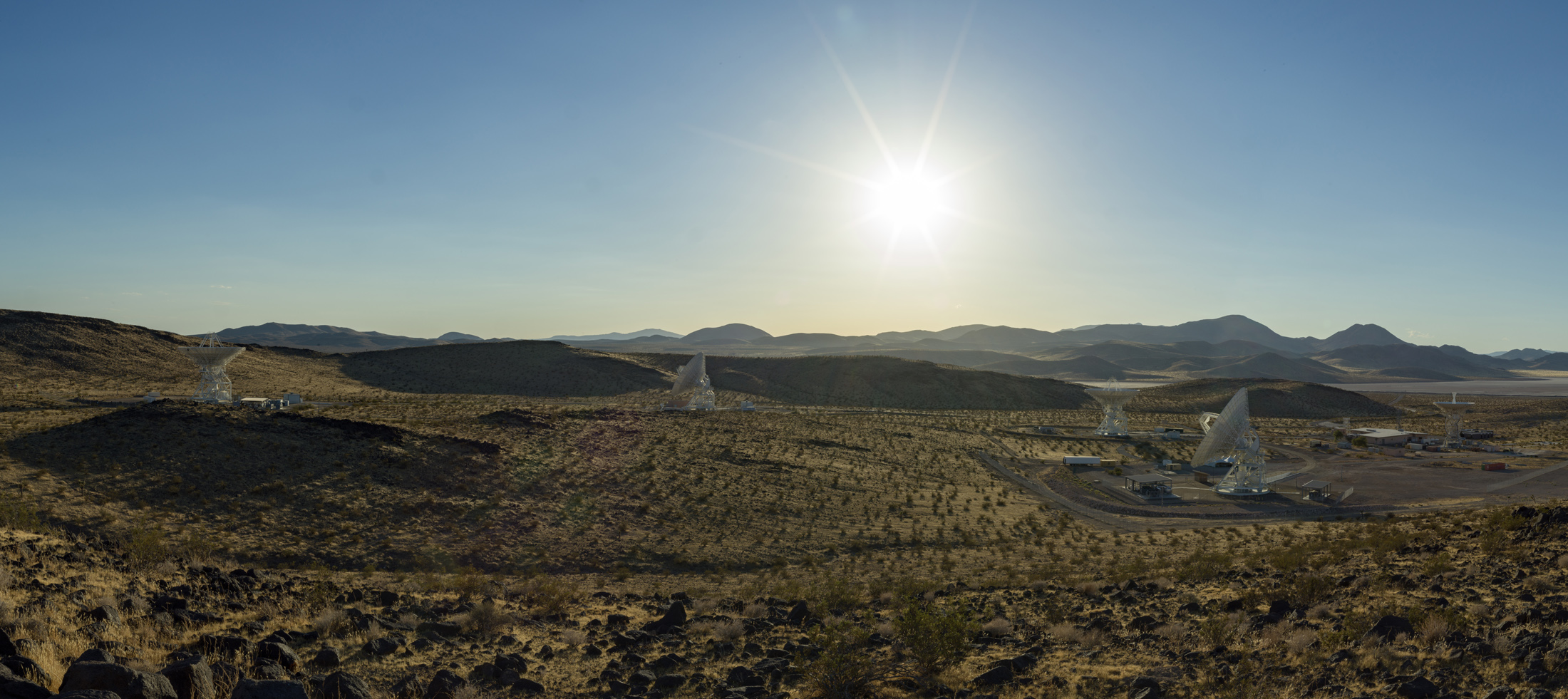
NASA ने कैलिफ़ोर्निया में अपने Goldstone Deep Space Communications Complex में एक नया 34-मीटर एंटेना चालू कर दिया है, जिससे Deep Space Network प्रणाली में नई क्षमता जुड़ गई है, जो पृथ्वी को सौर मंडल और उससे आगे तक रोबोटिक अंतरिक्षयान से जोड़ती है। एजेंसी ने 25 अगस्त, 2026 को Deep Space Station 23, या DSS-23, के पूरा होने को औपचारिक रूप से चिह्नित किया, एक रिबन-कटिंग समारोह के बाद जिसमें NASA नेतृत्व, Jet Propulsion Laboratory के कर्मी और अन्य अतिथि शामिल थे।
नया एंटेना केवल एक औपचारिक उपलब्धि नहीं है। यह NASA के सबसे कम चमकदार लेकिन सबसे अपरिहार्य बुनियादी ढांचे में से एक का व्यावहारिक विस्तार है: वह वैश्विक संचार और नेविगेशन नेटवर्क, जो मिशनों को तब भी जुड़े रखता है जब वे पृथ्वी की कक्षा से बहुत दूर होते हैं। NASA कहता है कि Deep Space Network सौर मंडल और अंतरतारकीय अंतरिक्ष की खोज कर रहे 40 से अधिक अंतरिक्षयानों का समर्थन करता है, और इसके लिए दुनिया भर में स्थित तीन सुविधाओं पर लगे विशाल डिशों पर निर्भर करता है।
जैसे-जैसे अधिक मिशन एक साथ संचालित होते हैं, और जैसे-जैसे अंतरिक्षयान वैज्ञानिक और इंजीनियरिंग डेटा की बड़ी मात्रा उत्पन्न करते हैं, नेटवर्क की क्षमता और भी महत्वपूर्ण हो जाती है। नया डिश रॉकेट प्रक्षेपण जितना नाटकीय नहीं है, लेकिन यह तय कर सकता है कि मिशन क्या कर पाएंगे, वे कितनी बार संचार कर पाएंगे, और जब एक ही समय में कई अंतरिक्षयानों को समर्थन चाहिए होगा तब एजेंसी के पास कितना अतिरिक्त मार्जिन रहेगा।
लंबे समय से चल रहे विस्तार प्रयास का हिस्सा
DSS-23 NASA के Aperture Enhancement Project के तहत प्रदान किया गया नवीनतम एंटेना है, जिसकी शुरुआत 2009 में हुई थी। इस कार्यक्रम का उद्देश्य छह नए 34-मीटर multifrequency beam-waveguide एंटेना जोड़कर Deep Space Network को अपग्रेड और विस्तारित करना है। NASA इन डिशों को बहुमुखी संपत्तियों के रूप में वर्णित करता है, जो अलग-अलग रेडियो फ्रीक्वेंसी पर काम करने वाले मिशनों का समर्थन कर सकती हैं।
लंबा समय-क्रम इस काम की रणनीतिक महत्ता दिखाता है। गहरे अंतरिक्ष की संचार अवसंरचना कुछ वर्षों के नहीं, बल्कि दशकों के उपयोग के लिए बनाई जाती है। इसलिए एक एंटेना का जुड़ना तुरंत भी मायने रखता है और लंबे समय में भी, क्योंकि यह अभी नेटवर्क पर दबाव कम कर सकता है और भविष्य के चंद्र, ग्रह-सम्बंधी, और अंतरतारकीय मिशनों के लिए प्रणाली की उपयोगी आयु बढ़ा सकता है।
NASA के Space Technology Mission Directorate के associate administrator, James Kenyon ने इस एंटेना को उन अन्वेषण योजनाओं के लिए एक आधारभूत निवेश बताया जो अभी आगे हैं। NASA के अनुसार, नया डिश उन मिशनों के लिए संचार आधार को मजबूत करता है, जो विस्तारित चंद्र गतिविधि से लेकर सौर मंडल के और भीतर गहरे रोबोटिक अन्वेषण तक फैले हुए हैं।
यह दृष्टिकोण आधुनिक मिशन संचालन की वास्तविकता के अनुरूप है। कोई अंतरिक्ष एजेंसी तभी महत्वाकांक्षी विज्ञान और अन्वेषण कार्यक्रम शुरू कर सकती है, जब वह अंतरिक्षयान के वहां पहुंचने के बाद भी उनसे संपर्क बनाए रख सके। आदेश, टेलीमेट्री, नेविगेशन, स्वास्थ्य निगरानी, और वैज्ञानिक डाउनलिंक सभी उपलब्ध नेटवर्क समय पर निर्भर करते हैं। इसलिए अतिरिक्त aperture बनाना परिचालन लचीलापन खरीदने का तरीका है।
पहले से ही वास्तविक मिशनों पर काम कर रहा है
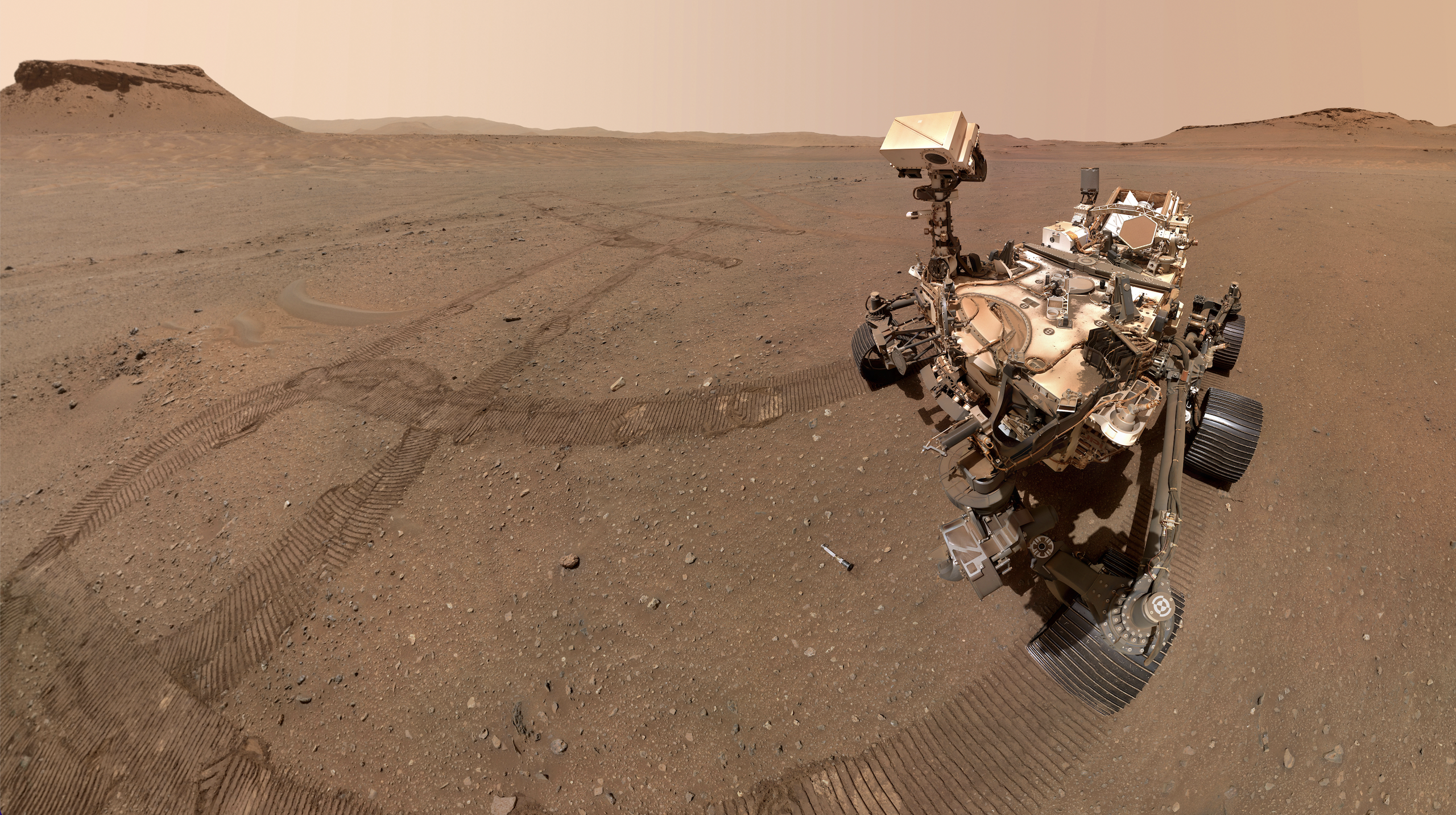
NASA का कहना है कि यह एंटेना किनारे खड़ा होकर इंतज़ार नहीं कर रहा। मई से जुलाई 2026 तक चले परीक्षण अभियान के बाद, DSS-23 ने 3 अगस्त को Chandra X-ray Observatory को ट्रैक करके संचालन शुरू किया। तब से, इस एंटेना का उपयोग Mars Reconnaissance Orbiter, Psyche, Juno, और Voyager 1 सहित, गहरे अंतरिक्ष में मौजूद अन्य रोबोटिक अंतरिक्षयानों के साथ संचार के लिए भी किया जा चुका है।
यह शुरुआती मिशन सूची इसलिए उल्लेखनीय है क्योंकि इसमें दूरी, वैज्ञानिक लक्ष्यों और परिचालन प्रोफ़ाइल में बहुत भिन्न मिशन शामिल हैं। Mars orbiter को डेटा रिले करने और आदेश प्राप्त करने के लिए स्थिर समर्थन चाहिए। Psyche जैसा मिशन अभी अपनी गहरी अंतरिक्ष यात्रा पर है। इसके विपरीत, Voyager 1 दीर्घकालिक संचार के चरम बाहरी सिरे का प्रतिनिधित्व करता है, जहां नेटवर्क क्षमता में हर सुधार मायने रखता है, क्योंकि अंतरिक्षयान बहुत दूर और बहुत मंद है।
यह तथ्य कि DSS-23 परीक्षण से सीधे लाइव समर्थन में जल्दी चला गया, यह संकेत देता है कि NASA नए एंटेना को नेटवर्क के एक कामकाजी हिस्से के रूप में देख रहा है, न कि केवल एक प्रतीकात्मक भविष्य उन्नयन के रूप में। नई अवसंरचना को नियमित संचालन में लाना इस बात के सबसे स्पष्ट संकेतों में से एक है कि क्षमता पर दबाव वास्तविक है और हर अतिरिक्त संपत्ति मायने रखती है।
एक डिश से आगे इसका महत्व क्यों है
Deep Space Network को शायद ही कभी उतना सार्वजनिक ध्यान मिलता है जितना किसी प्रोब के पहुंचने या किसी रोवर के उतरने को मिलता है, लेकिन यह ग्रह-विज्ञान के केंद्रीय सक्षमकर्ताओं में से एक है। विश्वसनीय संचार के बिना अंतरिक्षयान सीमित वैज्ञानिक मूल्य वाली अलग-थलग संपत्तियां बन जाते हैं। हर छवि, स्थिति रिपोर्ट, नेविगेशन सुधार, और उपकरण-रीडिंग एक ऐसी श्रृंखला पर निर्भर करती है जिसका अंत Goldstone जैसे ग्राउंड स्टेशनों पर होता है।
DSS-23 का NASA-आधारित विवरण क्षमता और दीर्घायु पर ज़ोर देता है। एजेंसी कहती है कि नया multifrequency एंटेना नेटवर्क की throughput बढ़ाएगा और दशकों तक संचार क्षमता को मजबूत करेगा। यह बिंदु महत्वपूर्ण है क्योंकि अन्वेषण की मांग स्थिर नहीं है। NASA, उसके अंतरराष्ट्रीय साझेदार, और वाणिज्यिक पक्ष सभी एक व्यस्त cislunar और ग्रह-पर्यावरण की ओर बढ़ रहे हैं, जबकि लंबे समय तक सक्रिय रहने वाले मौजूदा अंतरिक्षयान पृथ्वी से बहुत दूर काम कर रहे हैं।
उस संदर्भ में, Goldstone पर विस्तार केवल रखरखाव नहीं है। यह एक शांत लेकिन महत्वपूर्ण स्केलिंग कदम है, ऐसे भविष्य के लिए जिसमें एक साथ चल रहे मिशनों की संख्या, लौटाए गए डेटा की मात्रा, और निरंतर गहरे अंतरिक्ष कड़ियों पर निर्भरता, तीनों के बढ़ने की संभावना है। यदि ग्राउंड अवसंरचना अंतरिक्षयान की महत्वाकांक्षाओं के साथ नहीं बढ़ती, तो वह बाधा बन सकती है।
- DSS-23 बारस्टो, कैलिफ़ोर्निया के पास Goldstone में एक नया 34-मीटर एंटेना है।
- यह डिश NASA के Aperture Enhancement Project का हिस्सा है, जिसकी शुरुआत 2009 में हुई थी।
- इसने मई से जुलाई 2026 तक परीक्षण पूरा किया और 3 अगस्त को संचालन में प्रवेश किया।
- NASA का कहना है कि यह Chandra, Mars Reconnaissance Orbiter, Psyche, Juno, Voyager 1, और अन्य मिशनों को पहले ही समर्थन दे चुका है।
इसलिए DSS-23 का महत्व सीधा है। NASA उस नेटवर्क में ठोस क्षमता जोड़ रहा है जो उसके deep-space बेड़े को जीवित, नेविगेटेड, और वैज्ञानिक रूप से उत्पादक बनाए रखता है। मिशन ट्रैफिक के बढ़ते दौर में, नया एंटेना एक महत्वपूर्ण विकास बन जाता है, भले ही वह आमतौर पर अंतरिक्ष सुर्खियों को परिभाषित करने वाले तमाशे के बिना आया हो।
यह लेख NASA की रिपोर्टिंग पर आधारित है। मूल लेख पढ़ें.
Originally published on nasa.gov