NASA ने एक महत्वपूर्ण परिचालन क्षण में नेतृत्व में बदलाव किया
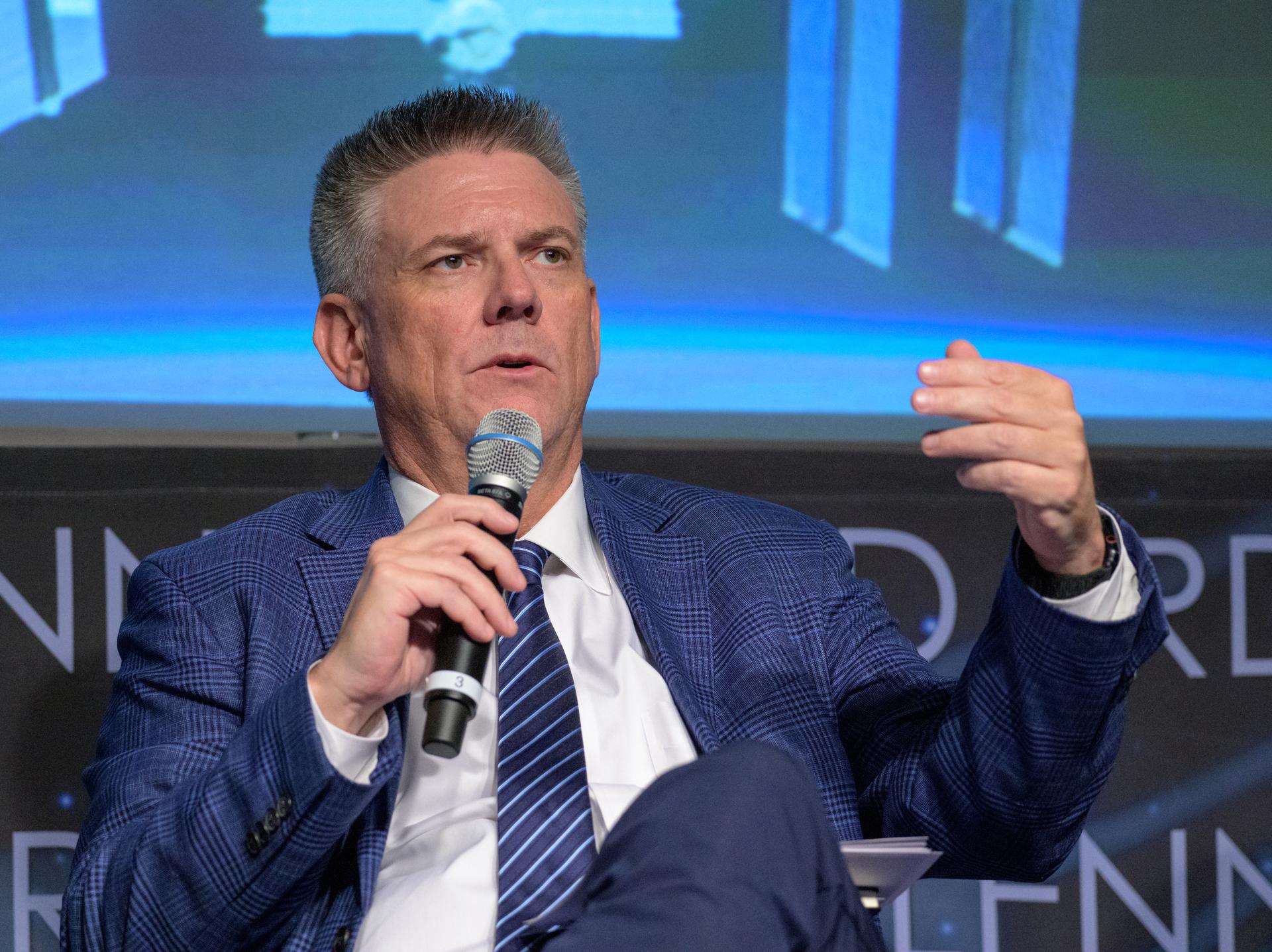
NASA ने ब्रायन ह्यूजेस को वरिष्ठ निदेशक, लॉन्च ऑपरेशंस नियुक्त किया है, जिससे वह एजेंसी में वापस ऐसे पद पर लौटे हैं जो उन्हें संयुक्त राज्य में नागरिक, वाणिज्यिक और राष्ट्रीय सुरक्षा मिशनों के लिए बढ़ती लॉन्च गतिविधियों के केंद्र में रखता है। फ्लोरिडा के केनेडी स्पेस सेंटर में स्थित और वाशिंगटन स्थित NASA मुख्यालय को रिपोर्ट करते हुए, ह्यूजेस न केवल केनेडी, बल्कि वर्जीनिया के वॉलॉप्स फ्लाइट फैसिलिटी में भी लॉन्च ऑपरेशंस की देखरेख करेंगे।
ऊपरी तौर पर यह एक वरिष्ठ कार्मिक नियुक्ति है। व्यवहार में यह इस बात का भी संकेत है कि NASA का लॉन्च अवसंरचना तंत्र कितना बदल चुका है। एजेंसी अब केवल सरकारी मिशनों के बीच-बीच में चलने वाले वातावरण में काम नहीं कर रही। वह अब सार्वजनिक और निजी गतिविधियों के ओवरलैप, अधिक लॉन्च आवृत्ति, और वाणिज्यिक कंपनियों, राष्ट्रीय सुरक्षा से जुड़े पक्षों, स्थानीय प्राधिकरणों, और संघीय नेतृत्व जैसे व्यापक हितधारकों से बने स्पेसपोर्ट पारिस्थितिकी तंत्र का प्रबंधन कर रही है।
NASA कहता है कि ह्यूजेस उद्यम-स्तरीय नेतृत्व, रणनीतिक दिशा, और लॉन्च अवसंरचना की परिचालन निगरानी प्रदान करेंगे। यह शब्दावली महत्वपूर्ण है। यह कोई संकीर्ण तकनीकी पद नहीं है जो केवल पैड लॉजिस्टिक्स या लॉन्च-दिवस की प्रक्रिया तक सीमित हो। यह एक समन्वयी प्रबंधन भूमिका है, जिसका उद्देश्य ऐसे समय में अवसंरचना, नीति प्राथमिकताओं, और अंतर-संगठनात्मक संबंधों का तालमेल बैठाना है जब अंतरिक्ष क्षेत्र तेज़ी से आगे बढ़ रहा है और अधिक भीड़भाड़ वाला हो रहा है।
क्यों यह नियुक्ति सिर्फ एक व्यक्ति का मामला नहीं है
एजेंसी ने स्पष्ट रूप से ह्यूजेस के मिशन को NASA के स्पेसपोर्ट का समर्थन करने वाले हितधारकों के बीच बेहतर समन्वय, बढ़ती लॉन्च आवृत्ति, और राष्ट्रपति की राष्ट्रीय अंतरिक्ष नीति के कार्यान्वयन के समर्थन से जोड़ा है। ये तीनों लक्ष्य संयुक्त राज्य में लॉन्च ऑपरेशंस की मौजूदा वास्तविकता की ओर संकेत करते हैं। स्पेसपोर्ट्स को अब अधिक उपयोगकर्ताओं की सेवा करनी होती है, अधिक बार होने वाली गतिविधियों को संभालना होता है, और यह सब राष्ट्रीय अवसंरचना से अपेक्षित विश्वसनीयता खोए बिना करना होता है।
इससे लॉन्च ऑपरेशंस एक प्रशासनिक काम नहीं बल्कि रणनीतिक कार्य बन जाता है। जैसे-जैसे केनेडी और वॉलॉप्स से होकर अधिक मिशन गुजरते हैं, शेड्यूलिंग, अवसंरचना की तत्परता, सुरक्षा प्रबंधन, और अंतर-एजेंसी समन्वय सब और कठिन हो जाते हैं। प्रमुख लॉन्च साइटों पर प्रत्यक्ष अधिकार वाला नेतृत्व NASA को इस जटिलता को संभालने में मदद कर सकता है, खासकर जब वाणिज्यिक वृद्धि और सरकारी मिशन आवश्यकताएं दोनों तेज़ी से बढ़ रही हों।
NASA प्रशासक Jared Isaacman ने इस नियुक्ति को ह्यूजेस के परिचालन अनुभव, रणनीतिक नेतृत्व, और सरकार के उच्च स्तरों पर सार्वजनिक सेवा के मिश्रण के रूप में प्रस्तुत किया। एजेंसी के बयान में उन्हें ऐसे व्यक्ति के रूप में दिखाया गया है जो सिर्फ मौजूदा प्रणाली को बनाए रखने के बजाय लॉन्च ऑपरेशंस के भविष्य को आकार देने में मदद करेंगे। यह जोर अमेरिकी अंतरिक्ष गतिविधि में चल रहे व्यापक बदलाव के अनुरूप है, जहाँ सवाल अब यह नहीं है कि लॉन्च मांग बढ़ेगी या नहीं, बल्कि यह है कि संस्थाएं उसे सहारा देने के लिए कैसे ढलेंगी।

ह्यूजेस के पास व्हाइट हाउस, नगर प्रशासन और सैन्य अनुभव है
ह्यूजेस ने हाल ही में NASA के चीफ ऑफ स्टाफ के रूप में काम किया, जहाँ एजेंसी के अनुसार उन्होंने एजेंसी-व्यापी प्राथमिकताओं और निर्णय-निर्माण को आगे बढ़ाने में मदद की। NASA से पहले, उन्होंने व्हाइट हाउस में रणनीतिक संचार के लिए उप राष्ट्रीय सुरक्षा सलाहकार के रूप में सेवा दी, जो राष्ट्रीय सुरक्षा मामलों पर नीति और संदेश से जुड़ी भूमिका थी। उन्होंने जैक्सनविल के नगर प्रशासन में भी काम किया, जहाँ उन्होंने 7,000 से अधिक कर्मचारियों के कार्यबल की देखरेख की और सार्वजनिक सुरक्षा, अवसंरचना, और आपातकालीन प्रबंधन संचालन को शामिल करने वाले अरबों डॉलर के बजट का प्रबंधन किया।
अपने करियर के शुरुआती दौर में, ह्यूजेस ने जैक्सनविल के पूर्व मेयर Lenny Curry के चीफ ऑफ स्टाफ के रूप में काम किया और आर्थिक विकास पर ध्यान केंद्रित करते हुए Downtown Investment Authority का नेतृत्व मुख्य कार्यकारी अधिकारी के रूप में किया। वे अमेरिकी वायु सेना के पूर्व सैनिक भी हैं, जिन्होंने खाड़ी युद्ध के दौरान मध्य पूर्व के ऊपर अभियानों में KC-135 एयरक्रू सदस्य के रूप में सेवा दी।
सार रूप में यह पृष्ठभूमि शास्त्रीय एयरोस्पेस इंजीनियरिंग से कम और बड़े संगठनों को चलाने, हितधारकों को संरेखित करने, तथा उच्च-परिणामी परिचालनों को प्रबंधित करने से अधिक जुड़ी है। NASA का विवरण साफ़ करता है कि वह ठीक यही मिश्रण चाहता है। ऐसे लॉन्च वातावरण में, जो क्षेत्रीय समन्वय पर निर्भर है, नेतृत्व अनुभव तकनीकी विशेषज्ञता जितना ही महत्वपूर्ण हो सकता है, खासकर ऐसे पद में जो उद्यम-स्तरीय निगरानी के इर्द-गिर्द बना हो।
केनेडी और वॉलॉप्स बड़े बदलाव का हिस्सा हैं
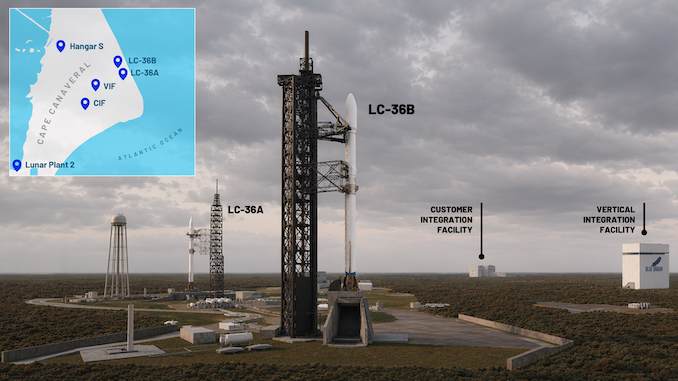
केनेडी स्पेस सेंटर अमेरिकी अंतरिक्ष गतिविधि के सबसे अधिक दिखाई देने वाले केंद्रों में से एक बना हुआ है, और नागरिक तथा वाणिज्यिक लॉन्च ऑपरेशंस में इसकी केंद्रीय भूमिका है। वॉलॉप्स, भले ही सार्वजनिक प्रोफ़ाइल में छोटा हो, एक महत्वपूर्ण परिचालन स्थल भी है। ह्यूजेस को दोनों की सीधी जिम्मेदारी देकर NASA स्पेसपोर्ट प्रबंधन के लिए अधिक एकीकृत दृष्टिकोण को सुदृढ़ करता दिख रहा है।
एजेंसी का बयान इस नियुक्ति को एक व्यापक प्रवृत्ति में भी रखता है: उसके अवसंरचना ढांचे में लॉन्च गतिविधियों का बढ़ता पोर्टफोलियो। यह पंक्ति दर्शाती है कि यह बदलाव किसी एक घटना की प्रतिक्रिया नहीं, बल्कि सतत मांग के अनुरूप लंबे पुनर्गठन का हिस्सा है। जैसे-जैसे लॉन्च आवृत्ति बढ़ती है, परिचालन चुनौती सिर्फ अधिक रॉकेट संभालने तक सीमित नहीं रहती। इसमें ग्राउंड सिस्टम, सहायक सेवाएं, स्थानीय समन्वय, नियामकीय अनुपालन, और कई मिशन प्रकारों को बिना अवरोध के साथ लाने की क्षमता भी शामिल है।
NASA के लिए लॉन्च अवसंरचना अब खोज नीति, औद्योगिक क्षमता, और राष्ट्रीय प्रतिस्पर्धात्मकता के संगम पर है। यदि लॉन्च आवृत्ति रणनीतिक गति का पैमाना है, तो स्पेसपोर्ट संचालन की गुणवत्ता एक राष्ट्रीय क्षमता का प्रश्न बन जाती है। इसलिए उद्यम-स्तरीय दायरे वाला वरिष्ठ निदेशक पद यह मान्यता है कि लॉन्च ऑपरेशंस को अब कार्यकारी-स्तरीय ध्यान चाहिए।
NASA के अगले चरण का संकेत
ह्यूजेस की नियुक्ति किसी नए रॉकेट, नए अंतरिक्षयान, या नई मिशन आर्किटेक्चर की घोषणा नहीं करती। लेकिन यह फिर भी महत्वपूर्ण रूप से बताती है कि NASA को कहाँ दबाव बढ़ता दिख रहा है। एजेंसी उन प्रणालियों पर नेतृत्व का ध्यान लगा रही है जो गतिविधि की अधिक मात्रा को संभव बनाती हैं। संस्थागत परिवर्तन अक्सर हार्डवेयर या उड़ान-सूचियों में दिखाई देने से पहले ऐसे ही दिखता है।
NASA का सूत्रीकरण सीधा है: समन्वय मजबूत करना, आवृत्ति बढ़ाना, और अंतरिक्ष में अमेरिकी नेतृत्व बनाए रखने में सहायता करना। इस वाक्यांश के पीछे पूरे क्षेत्र में साझा एक व्यावहारिक चुनौती छिपी है। अंतरिक्ष महत्वाकांक्षा ज़मीनी संगठन पर निर्भर करती है। पैड, सुविधाएं, शेड्यूलिंग, निगरानी, और स्थानीय कार्यान्वयन भले ही लॉन्च की चमक न रखते हों, लेकिन उनके बिना लॉन्च अर्थव्यवस्था ठहर जाती है।
इन बुनियादी तत्त्वों पर केंद्रित भूमिका में ह्यूजेस को वापस लाकर NASA यह संकेत दे रहा है कि लॉन्च अवसंरचना का प्रबंधन अब एक मुख्य रणनीतिक चिंता है। ऐसे समय में जब स्पेसपोर्ट का अधिक उपयोग हो रहा है और सरकारी तथा निजी संचालकों के बीच संबंध और गहरे हो रहे हैं, यह चिंता आने वाले वर्षों तक केंद्रीय बनी रहने की संभावना है।
यह लेख NASA की रिपोर्टिंग पर आधारित है। मूल लेख पढ़ें.
Originally published on nasa.gov