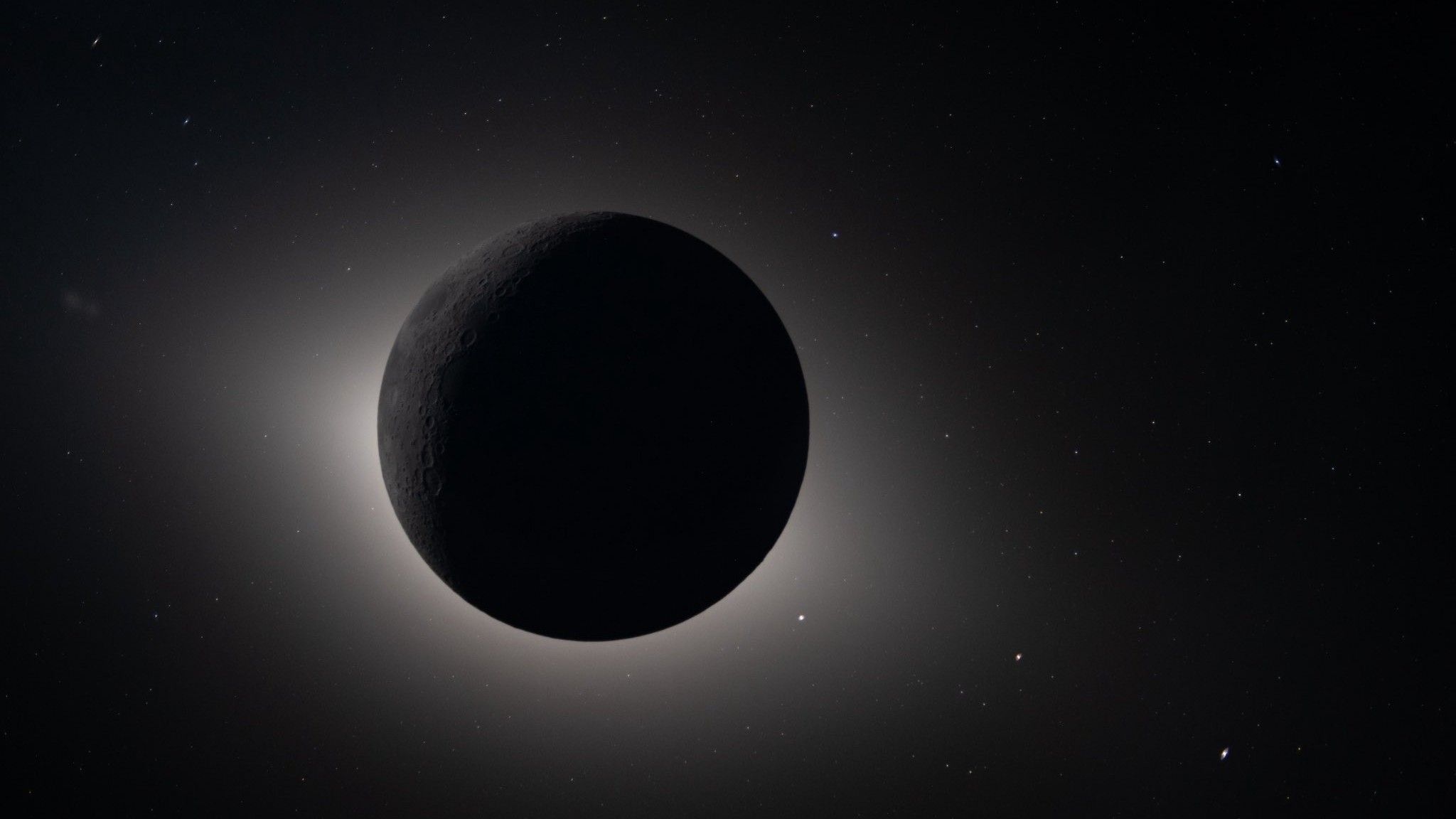
एक ऐसा दृश्य जिसे लगभग कोई इंसान देखने की उम्मीद नहीं कर सकता
NASA के आर्टेमिस 2 दल ने पहले से ही ऐतिहासिक मिशन में एक असाधारण दृश्य उपलब्धि जोड़ दी: चंद्रमा के पार से देखा गया पूर्ण सूर्यग्रहण। दिए गए स्रोत सामग्री के अनुसार, यह घटना 6 अप्रैल को हुई, जब ओरियन अंतरिक्षयान चंद्रमा के दूरस्थ पक्ष के चारों ओर घूम रहा था, और अंतरिक्षयात्रियों को ठीक वही ज्यामितीय स्थिति मिली जिसमें वे लगभग 53 मिनट तक चंद्रमा को सूर्य को पूरी तरह ढकते हुए देख सके।
इतनी अवधि ही इस घटना को उल्लेखनीय बनाती है। पृथ्वी से देखे गए पूर्ण सूर्यग्रहण इसकी तुलना में बहुत क्षणिक होते हैं, जिनकी अधिकतम पूर्णता केवल उसका एक अंश होती है। लेकिन इसका गहरा महत्व स्थिति में है। यह कोई स्थलीय आकाश-दर्शन नहीं था। यह एक मानवयुक्त अंतरिक्षयान से देखा गया सूर्यग्रहण था जो चंद्रमा के पार कार्यरत था, उस दौर में जब मानवता पीढ़ियों बाद पहली बार चंद्र दूरी तक लौटी थी।
समय क्यों सही बैठा
दिए गए रिपोर्ट के अनुसार, ओरियन की कक्षा ने दल को बिल्कुल सही जगह और सही समय पर पहुँचा दिया। यह वाक्य बताता है कि यह घटना कितनी दुर्लभ थी। अंतरिक्ष मिशन कक्षीय यांत्रिकी से निर्धारित होते हैं, और शानदार दृश्य क्षण तभी बनते हैं जब ज्यामिति, पथ और समय एक साथ हों। इस मामले में, चंद्रमा के दूरस्थ पक्ष के चारों ओर अंतरिक्षयान के पथ ने ऐसा दृष्टिकोण बनाया जिसमें चंद्रमा ने दल की दृष्टि से सूर्य को पूरी तरह ढक लिया।
इससे ग्रहण केवल एक सुंदर क्षण नहीं रह जाता। यह याद दिलाता है कि मानवयुक्त गहरे अंतरिक्ष मिशन ऐसे दृष्टिकोण देते हैं जो पृथ्वी पर मौजूद ही नहीं होते। NASA के आर्टेमिस कार्यक्रम के लिए रणनीतिक रूप से महत्वपूर्ण वही चंद्र फ्लाइबाई एक बार के मिशन का अवलोकन अनुभव भी बना गई।
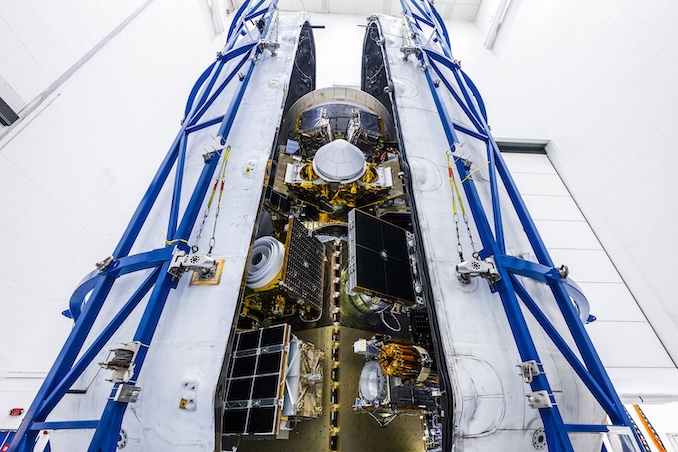
प्रतीकवाद से आगे, मिशन के पैमाने का संकेत
आर्टेमिस से जुड़ी बड़ी कहानी में इस ग्रहण को केवल एक प्रतीकात्मक रंग की तरह देखना आसान होगा। लेकिन ऐसा करने से इस दृश्य से मिशन के बारे में जो सामने आता है, उसकी गंभीरता कम हो जाएगी। एक मानवयुक्त यान को पर्याप्त दूर, सही पथ पर, और सही समय पर यात्रा करनी पड़ी ताकि चंद्रमा को पृथ्वी के आकाश की वस्तु नहीं, बल्कि गहरे अंतरिक्ष से सूर्य को ढकने वाले अग्रभूमि पिंड की तरह देखा जा सके।
यह दृष्टिकोण दिखाता है कि आर्टेमिस 2 परिचालन स्तर पर पहले ही कितनी दूर जा चुका है। यह मिशन केवल चंद्र महत्वाकांक्षा की औपचारिक वापसी नहीं है। यह पृथ्वी की निम्न कक्षा से बाहर मानव उड़ान का ऐसा प्रदर्शन है जो अपोलो-युग के मिशनों के बाद नहीं देखा गया। ग्रहण उस तथ्य का सबसे स्पष्ट सार्वजनिक रूप है।
स्रोत पाठ इस दृश्य को अंतरिक्ष उड़ान इतिहास के सबसे दुर्लभ दृश्यों में से एक बताता है। दी गई जानकारी के आधार पर यह वर्णन उचित है। बहुत कम मिशनों ने लोगों को ऐसे ग्रहण का अनुभव करने की स्थिति में रखा है, और उससे भी कम ने ऐसा एक ऐसे कार्यक्रम के हिस्से के रूप में किया है जो स्पष्ट रूप से स्थायी चंद्र संचालन के रास्ते को फिर से खोलने के लिए बनाया गया है।
ऐसे क्षणों का मूल्य जो सार्वजनिक रूप से गूंजते हैं
अंतरिक्ष एजेंसियां बजट, मिशन संरचना और लंबे तकनीकी समय-निर्धारण के माध्यम से काम करती हैं, लेकिन सार्वजनिक स्मृति अक्सर मील के पत्थरों के बजाय क्षणों पर टिकती है। चंद्रमा के पार का ग्रहण बिल्कुल वैसा ही क्षण है। यह उड़ान-पथ योजना और चंद्र वापसी की अमूर्तता को एक ऐसी छवि में बदल देता है जिसे लोग तुरंत समझ सकते हैं।
यह आर्टेमिस के लिए महत्वपूर्ण है। बड़े अन्वेषण कार्यक्रमों को इंजीनियरिंग सफलता के साथ-साथ सार्वजनिक समझने-योग्यता की भी जरूरत होती है। जो चित्र और अनुभव अनोखे लगते हैं, वे यह समझाने में मदद करते हैं कि ये मिशन क्यों महत्वपूर्ण हैं। वे कार्यक्रम के रणनीतिक उद्देश्य को प्रतिस्थापित नहीं करते, लेकिन यह हो सकते हैं कि कार्यक्रम लोकप्रिय कल्पना में कैसे प्रवेश करे।
एक वैज्ञानिक और अवलोकनात्मक आयाम भी है, भले ही दी गई रिपोर्ट औपचारिक प्रयोग की बजाय दृश्य-आश्चर्य पर केंद्रित हो। मानव अन्वेषण मिशन परिचालन उड़ान और प्रत्यक्ष अवलोकन को जोड़ने में अद्वितीय हैं। उस अर्थ में, दल का ग्रहण देखना अंतरिक्ष में नेविगेशन, परिवेश और जीते हुए अनुभव के संगम पर है।

चंद्र मिशन क्या संभव बनाते हैं, इसकी याद
आर्टेमिस कार्यक्रम पर अक्सर इस संदर्भ में चर्चा होती है कि आगे क्या आएगा: भविष्य की चंद्र लैंडिंग, बुनियादी ढांचा, और गहरे अंतरिक्ष अन्वेषण की लंबी दिशा। यह ग्रहण एक उपयोगी प्रतिपक्ष देता है। यह दिखाता है कि जाने का कार्य ही मानवता क्या देख और अनुभव कर सकती है, उसे बदल देता है।
यह अमूर्त लग सकता है, लेकिन अन्वेषण के मूल्य का हमेशा हिस्सा रहा है। नए परिवेश सिर्फ नए गंतव्य नहीं बनाते। वे नए दृष्टिकोण बनाते हैं। आर्टेमिस 2 के अंतरिक्षयात्रियों के लिए, उन्हीं में से एक दृष्टिकोण चंद्रमा के पार से 53 मिनट का पूर्ण सूर्यग्रहण था, एक ऐसा दृश्य जो पृथ्वी पर दर्शकों के लिए मूल रूप से उपलब्ध नहीं है।
दिए गए रिपोर्ट के आधार पर, यही वह मुख्य तथ्य है जिसे पकड़ कर रखना चाहिए। 6 अप्रैल 2026 को, दूरस्थ पक्ष के एक चंद्र लूप के दौरान, आर्टेमिस 2 दल ने चंद्रमा को लगभग एक घंटे के लिए सूर्य को पूरी तरह ढकते देखा। यह परिचालन की दृष्टि से आकस्मिक, दृश्य रूप से चौंकाने वाला और ऐतिहासिक रूप से दुर्लभ था। गहरे अंतरिक्ष में मानव उपस्थिति को फिर से स्थापित करने वाले कार्यक्रम के लिए, यह उपयुक्त भी था: मिशन पहले ही ब्रह्मांड को ऐसे कोणों से दिखा रहा है जिन्हें मानवता ने अभी तक मुश्किल से देखा है।
यह लेख Space.com की रिपोर्टिंग पर आधारित है। मूल लेख पढ़ें.
Originally published on space.com