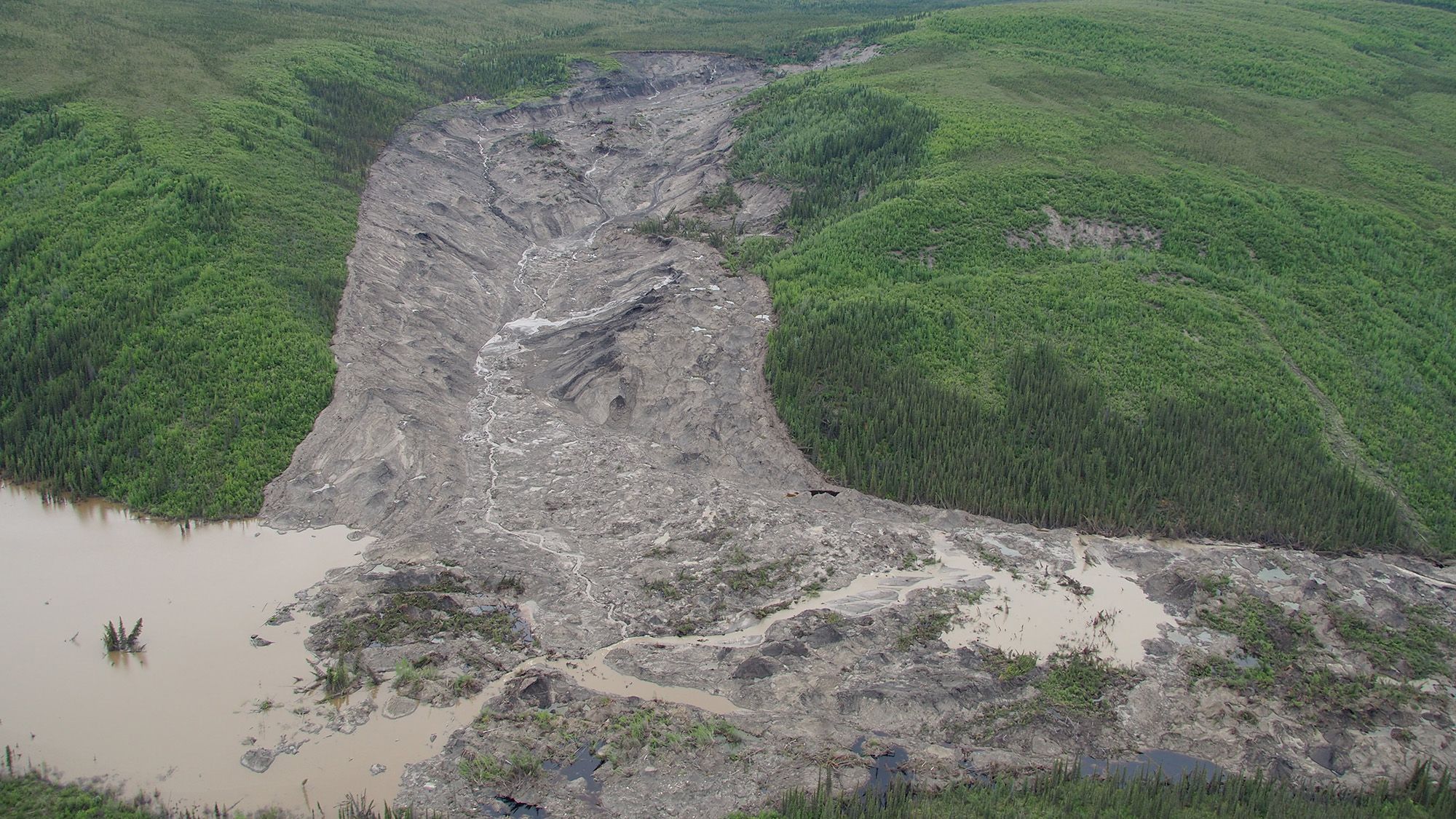
नई तरह की landslide की पहचान
शोधकर्ताओं ने कनाडा के Northwest Territories में permafrost landslide का नया प्रकार पहचाना है। यह खोज बताती है कि climate warming के साथ उत्तरी landscapes कैसे बदल सकते हैं।
Permafrost detachment slides अपेक्षाकृत पतली permafrost वाली जगहों पर होती हैं। शोधकर्ताओं के अनुसार, ये environments में wildfire का long-term consequence प्रतीत होती हैं। निष्कर्ष 23 सितंबर को Geophysical Research Letters में प्रकाशित हुए।
Slides उन valleys में मिलीं जहां लंबे समय से stable permafrost थी। University of Alberta में doctoral research के दौरान काम का नेतृत्व करने वाले Joseph Young ने कहा कि अचानक बदलाव से पहले terrain stable दिखाई देता था।
Frozen blocks slides को अलग बनाते हैं
Permafrost वह ground है जो वर्षभर frozen रहता है। सामान्य thawing में sediment नरम होकर slurry बनता और mud की तरह नीचे जाता है। नई slides अलग थीं।
Field observations में debris के भीतर frozen material के बड़े blocks मिले। कुछ लगभग 33 feet यानी 10 meters ऊंचे थे—करीब दो मंजिला घर जितने। Ice-rich preserved material इस landslide type की defining feature है।
Team ने Northwest Territories में fieldwork के दौरान broad landslide scars देखे। फिर satellite imagery से बदलाव map किए और अतिरिक्त investigations से पुष्टि की कि failures ordinary permafrost thaw नहीं थे।

Wildfire delayed instability पैदा कर सकता है
Research sequence में wildfire को महत्वपूर्ण बताती है। Thin permafrost वाली जगहों में यह delayed, long-term impact हो सकता है। Fire surface conditions बदल सकती है जो soil और sediment को frozen रखने में मदद करती हैं, जिससे समय के साथ slopes vulnerable हो जाती हैं।
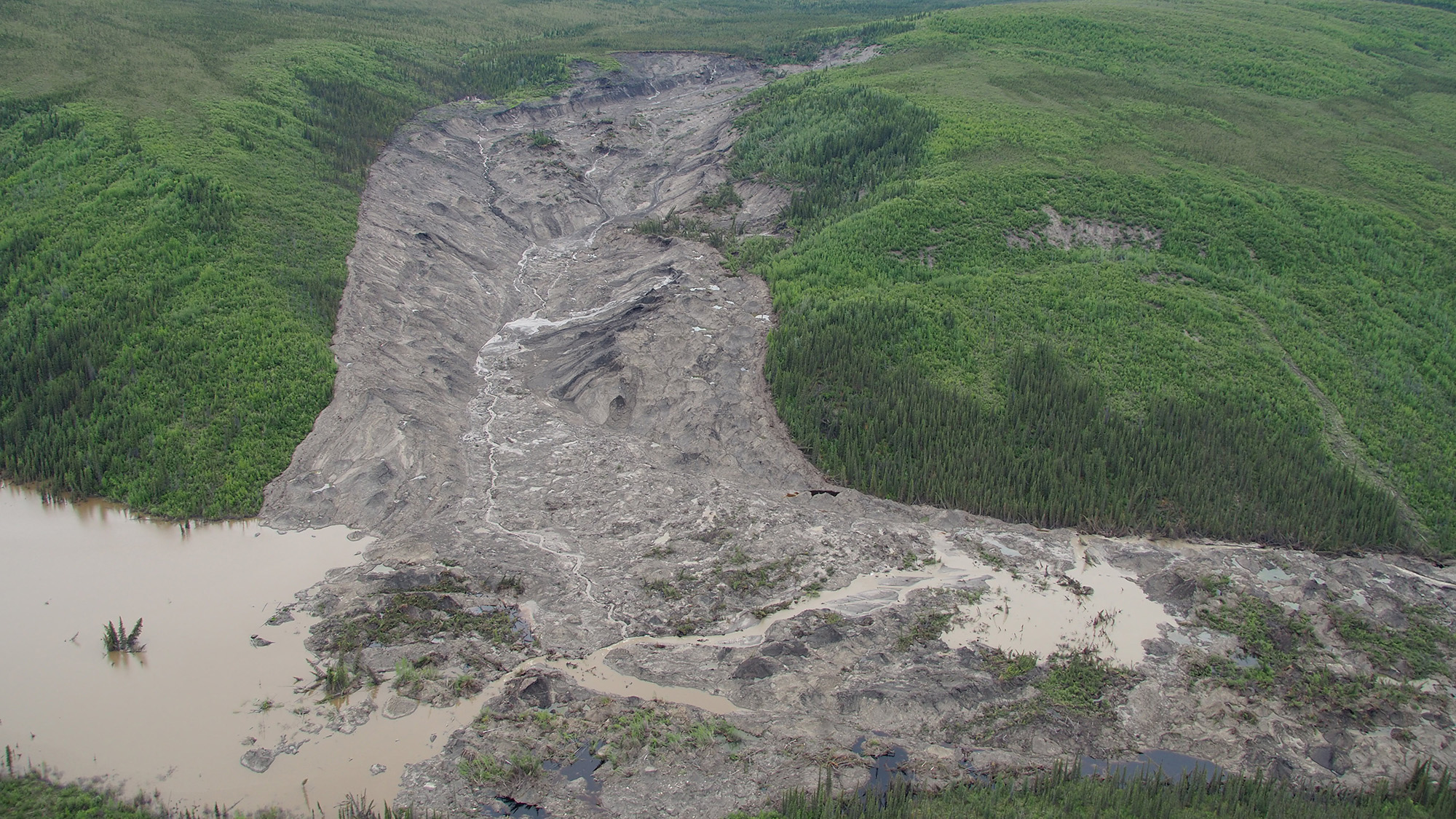
Researchers ने affected slopes में permafrost की depth मापने के लिए electrical current measurements किए। उन्होंने दो landslides पर ध्यान दिया, जिनमें 2017 में Johnson River Valley में हुई slide भी शामिल थी।
Authors के अनुसार यह phenomenon region में पहले नहीं देखा गया था और पिछले 10,000 या उससे अधिक वर्षों में unprecedented हो सकता है। यह discovery landscape behavior में बड़े बदलाव का संकेत देती है।
यह finding क्यों महत्वपूर्ण है
Northern permafrost regions rising temperatures के प्रति संवेदनशील हैं, लेकिन study दिखाती है कि climate effects मिलकर काम कर सकते हैं। Warming, wildfire, ground-ice conditions और slope stability ऐसे hazards बना सकते हैं जिनका communities ने पहले सामना नहीं किया।
Permafrost detachment slides valleys बदल सकती हैं, बड़ी मात्रा में material स्थानांतरित कर सकती हैं और rivers व nearby terrain को प्रभावित कर सकती हैं। इसका अर्थ यह नहीं कि हर wildfire-exposed slope ऐसे fail होगी, लेकिन thin permafrost और बदलते fire regimes वाले क्षेत्रों में इसे monitor करना पड़ सकता है।
अगला काम यह तय करना है कि slides कितनी व्यापक हैं, कौन-सी ground conditions उन्हें संभावित बनाती हैं और satellite observations early changes कैसे पहचान सकती हैं। Communities और infrastructure planners के लिए बड़ी fires के बाद landscapes track करने का यह अतिरिक्त कारण है।

भविष्य के बदलाव का संभावित संकेत
Researchers Northwest Territories की घटनाओं को isolated curiosity नहीं मानते। वे इन्हें warming north में abrupt changes के संभावित संकेत के रूप में देखते हैं।
Wildfire activity और permafrost disruption high-latitude landscapes बदलते रहेंगे, तो ये slides महत्वपूर्ण hazard category बन सकती हैं। Discovery दिखाती है कि climate change ज्ञात risks के अधिक frequent रूपों के साथ ऐसे physical processes भी सामने ला सकता है जो पहले documented नहीं थे।
This article is based on reporting by Live Science. Read the original article.
Originally published on livescience.com