
वजन नियंत्रण की एक अलग राह
मोटापा-रोधी दवा विकास पर लंबे समय से ऐसी थेरेपीज़ का दबदबा रहा है जो भूख कम करती हैं, गैस्ट्रिक खाली होने की गति धीमी करती हैं, या किसी अन्य तरह से भोजन सेवन सीमित करती हैं। ओक्लाहोमा विश्वविद्यालय से आया नया शोध एक अलग जैविक रणनीति की ओर इशारा करता है। चूहों में, FGF21 नामक एक प्राकृतिक हार्मोन ने भूख दबाकर नहीं, बल्कि शरीर की ऊर्जा जलाने की क्षमता को सक्रिय कर मोटापे को उलट दिया।
स्रोत सामग्री के अनुसार, Cell Reports में प्रकाशित ये निष्कर्ष FGF21 को मस्तिष्क के माध्यम से काम करने वाले मेटाबोलिक संकेतों की बढ़ती श्रेणी में रखते हैं। अध्ययन को खास बनाने वाली बात यह है कि संकेत आखिर पहुंचता कहां है। शोधकर्ताओं को उम्मीद थी कि हार्मोन हाइपोथैलेमस के जरिए काम करेगा, जो शरीर के वजन नियमन से लंबे समय से जुड़ा क्षेत्र है। इसके बजाय, उन्हें प्रमाण मिला कि FGF21 हिंदब्रेन के माध्यम से काम करता है।
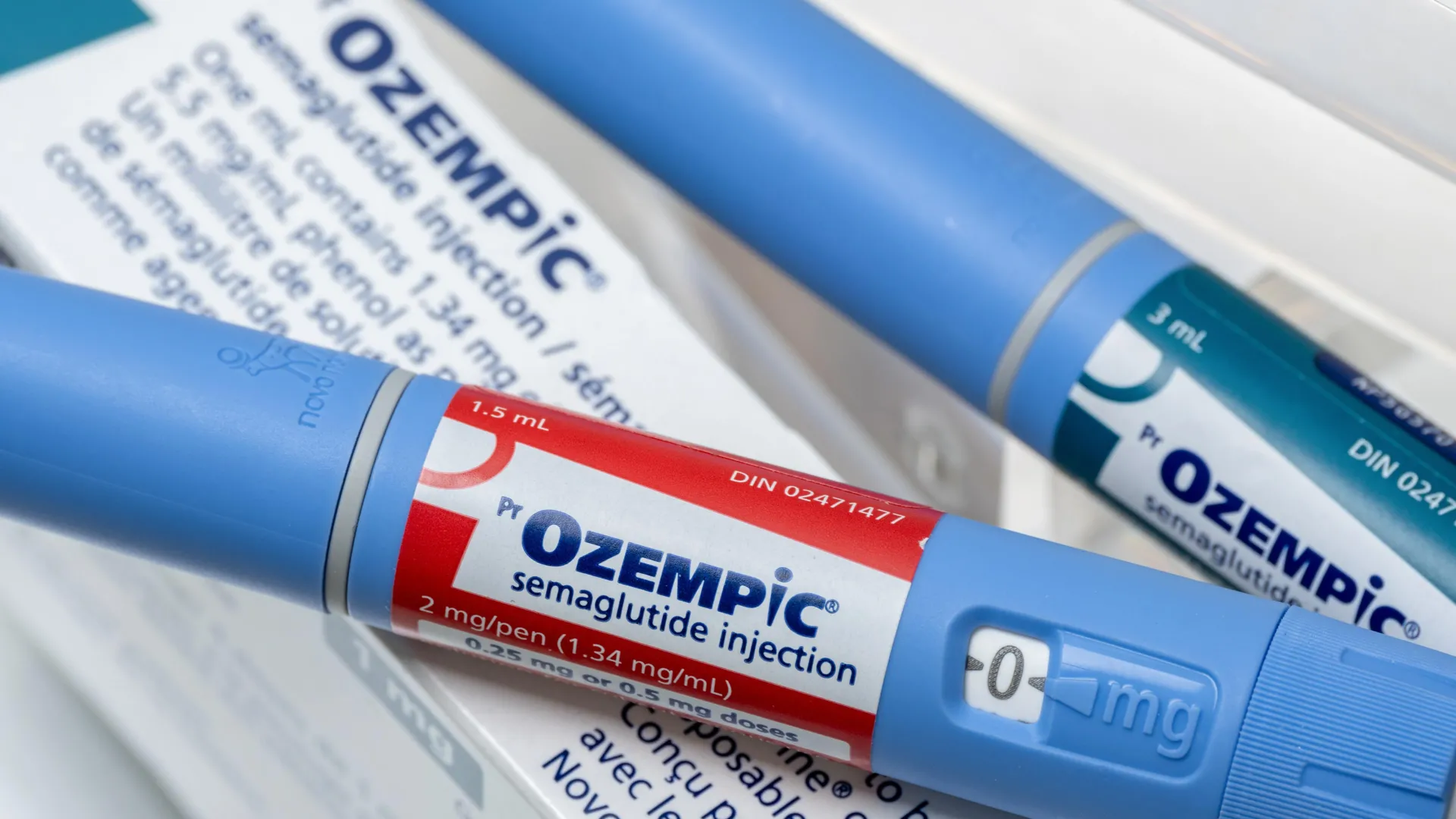
यह परिणाम महत्वपूर्ण है क्योंकि हिंदब्रेन को वही सामान्य क्षेत्र माना जाता है जहां GLP-1 एनालॉग्स, जैसे Ozempic और Wegovy, महत्वपूर्ण प्रभाव डालते हैं। लेकिन ओक्लाहोमा टीम का कहना है कि FGF21 एक अलग तंत्र के जरिए काम करता है। यह मुख्य रूप से भूख कम करने के बजाय ऊर्जा व्यय बढ़ाता हुआ दिखता है।
हिंदब्रेन में एक अप्रत्याशित लक्ष्य
मुख्य शोधकर्ता मैथ्यू पोटहॉफ और उनके सहयोगियों ने एक मूल लेकिन अनसुलझे सवाल पर ध्यान केंद्रित किया: यदि FGF21 मस्तिष्क को संकेत देता है, न कि यकृत को, तो वह संकेत ठीक कहां जाता है? उनका उत्तर हिंदब्रेन के दो हिस्सों, nucleus of the solitary tract और area postrema, पर केंद्रित है। ये क्षेत्र आगे जाकर parabrachial nucleus नामक एक अन्य संरचना से संवाद करते हैं।
स्रोत पाठ के अनुसार, यह सिग्नलिंग शृंखला FGF21 के मेटाबोलिज्म और शरीर के वजन पर प्रभावों के लिए अनिवार्य थी। इससे हार्मोन को पहले उपलब्ध जानकारी की तुलना में अधिक विशिष्ट तंत्रिका मानचित्र मिलता है और यह समझने में मदद मिलती है कि यह पूरे शरीर की ऊर्जा उपयोग क्षमता को कैसे प्रभावित कर सकता है।
यह खोज मेटाबोलिज्म के नियमन को लेकर बनी धारणाओं को भी नया रूप देती है। मोटापा अनुसंधान में हाइपोथैलेमस लंबे समय से मुख्य फोकस रहा है, लेकिन यह काम बताता है कि ऊर्जा-संतुलन के महत्वपूर्ण नियंत्रण मस्तिष्क-तना में अपेक्षा से नीचे हो सकते हैं। यदि यह पुष्टि हो जाती है और आगे बढ़ता है, तो वैज्ञानिकों की मेटाबोलिक थेरेपीज़ और लक्षित करने योग्य तंत्रिका सर्किट्स को लेकर सोच विस्तृत हो सकती है।
GLP-1 जीवविज्ञान की नकल नहीं
GLP-1 दवाओं के साथ मस्तिष्क क्षेत्र का आंशिक मेल तुलना को आमंत्रित करता है, लेकिन अध्ययन का मूल संदेश यह है कि FGF21 उसी दवा-तर्क का एक और रूप नहीं है। GLP-1 दवाएं आम तौर पर भूख दबाने और कैलोरी सेवन घटाने से जुड़ी होती हैं। इसके विपरीत, FGF21 ऊर्जा जलाने की मात्रा बढ़ाकर काम करता दिखता है।
यह अंतर मरीजों और दवा-निर्माताओं, दोनों के लिए महत्वपूर्ण हो सकता है। अलग तंत्र अलग नैदानिक प्रोफाइल की संभावना पैदा करते हैं, चाहे वह प्रभावशीलता हो, सहनशीलता हो, या वे किस तरह की मेटाबोलिक स्थितियों में मदद कर सकते हैं। स्रोत सामग्री बताती है कि FGF21 मार्ग पर काम करने वाली दवाओं का पहले से ही MASH, यानी metabolic dysfunction-associated steatohepatitis, जो फैटी लिवर रोग का एक गंभीर रूप है, के लिए क्लिनिकल ट्रायल में परीक्षण हो रहा है।
दूसरे शब्दों में, FGF21 सिर्फ मोटापे की कहानी नहीं है। यह वजन नियमन, यकृत स्वास्थ्य और प्रणालीगत मेटाबोलिज्म के संगम पर भी हो सकता है। इसके मस्तिष्क मार्ग को समझना इसलिए एक से अधिक चिकित्सीय क्षेत्रों को प्रभावित कर सकता है।
यह खोज आशाजनक क्यों है
अध्ययन सुझाता है कि वजन-घटाने का उपचार केवल भूख दबाने की तुलना में अधिक लक्षित रास्ते से संभव हो सकता है। यदि FGF21 एक परिभाषित हिंदब्रेन सर्किट के जरिए विश्वसनीय रूप से ऊर्जा व्यय बढ़ा सकता है, तो शोधकर्ता ऐसी थेरेपीज़ डिजाइन कर सकते हैं जो चयापचय लाभों को अवांछित दुष्प्रभावों से बेहतर ढंग से अलग कर सकें।
यह संभावना विशेष रूप से इसलिए प्रासंगिक है क्योंकि मोटापा उपचार तेजी से विविधता के चरण में प्रवेश कर चुका है। ब्लॉकबस्टर दवाओं की पहली लहर ने दिखा दिया कि प्रभावी मेटाबोलिक दवाओं की भारी मांग है। अगला चरण संभवतः सटीकता पर केंद्रित होगा: संयोजन, वैकल्पिक तंत्र, और विशिष्ट रोगी जरूरतों या सह-रुग्णताओं को लक्ष्य करने वाली थेरेपीज़।
FGF21 इस बदलाव के लिए अच्छा फिट हो सकता है। क्योंकि यह GLP-1 एनालॉग्स से अलग मार्ग पर काम करता दिखता है, यह उनसे प्रतिस्पर्धा करने की बजाय उन्हें पूरक भी बन सकता है। स्रोत सामग्री संयोजन उपचार का दावा नहीं करती, और यहां वर्णित शोध चूहों में है, मनुष्यों में नहीं। लेकिन केवल तंत्रगत अंतर ही इसे आगे अध्ययन के लिए महत्वपूर्ण लक्ष्य बनाने के लिए पर्याप्त है।
इस खोज की सीमाएं
सबसे महत्वपूर्ण सावधानी वही है जो जैव-चिकित्सा शोध में अक्सर सामने आती है: परिणाम चूहों में रिपोर्ट किए गए हैं। इससे काम का वैज्ञानिक महत्व कम नहीं होता, लेकिन मानव उपचार के बारे में क्या निष्कर्ष निकाले जा सकते हैं, इसकी स्पष्ट सीमाएं तय हो जाती हैं। कई आशाजनक पशु-आधारित मेटाबोलिक निष्कर्ष क्लिनिकल सफलता में सहजता से नहीं बदलते।
स्थायित्व, डोजिंग, सुरक्षा, और इस हिंदब्रेन सर्किट को मरीजों में कितनी सटीकता से नियंत्रित किया जा सकता है, ऐसे भी कई खुले प्रश्न हैं। स्रोत पाठ तंत्र पर जोर देता है, निकट-भविष्य की चिकित्सा पर नहीं, और इसे उसी तरह पढ़ना चाहिए। यह एक मार्ग का मानचित्र है, नई दवा का अंतिम प्रमाण नहीं।
फिर भी, तंत्रगत मानचित्र महत्वपूर्ण होते हैं। आधुनिक दवा विकास इस बात पर निर्भर करता है कि जैविक संकेत काम करता है या नहीं, यह जानने के साथ-साथ यह भी जाना जाए कि कैसे और कहां काम करता है। FGF21 की क्रिया को हिंदब्रेन में रखकर और उसे nucleus of the solitary tract, area postrema, और parabrachial nucleus वाले सर्किट से जोड़कर, अध्ययन शोधकर्ताओं को अधिक स्पष्ट रूपरेखा देता है।
मोटापा विज्ञान में व्यापक बदलाव
इस काम का बड़ा महत्व यह है कि मोटापा अनुसंधान अब केवल सीमित calories-in, calories-out ढांचे से आगे बढ़कर मेटाबोलिज्म की सर्किट्री पर केंद्रित हो रहा है। वजन एक अकेले स्विच से नियंत्रित नहीं होता। यह भूख, ईंधन उपयोग, यकृत कार्य, हार्मोन संकेत, और तंत्रिका नियंत्रण जैसी परस्पर क्रिया करने वाली प्रणालियों से उभरता है।
FGF21 अब उस नेटवर्क में एक महत्वपूर्ण नोड जैसा दिखता है। यदि हार्मोन के ऊर्जा-जलाने वाले प्रभाव लोगों में सुरक्षित रूप से स्थानांतरित किए जा सकते हैं, तो यह मोटापा-रोधी उपचार में एक दूसरा बड़ा रास्ता खोल सकता है, जो मुख्यतः कम खाने पर निर्भर नहीं होगा। फिलहाल, शोध का सबसे मजबूत समर्थन वाला दावा अधिक संकीर्ण लेकिन महत्वपूर्ण है: चूहों में, एक प्राकृतिक हार्मोन ने मेटाबोलिज्म से जुड़े एक अप्रत्याशित मस्तिष्क सर्किट को सक्रिय कर मोटापे को उलट दिया।
मुख्य निष्कर्ष
- शोधकर्ताओं ने पाया कि FGF21 ने चूहों में हिंदब्रेन के माध्यम से काम कर मोटापे को उलट दिया।
- यह मार्ग nucleus of the solitary tract, area postrema, और parabrachial nucleus को शामिल करता है।
- हार्मोन मुख्य रूप से भूख कम करने के बजाय ऊर्जा जलाने को बढ़ाता दिखता है।
- यह खोज भविष्य की मोटापा और लिवर-रोग थेरेपीज़ को दिशा दे सकती है, लेकिन रिपोर्ट किए गए निष्कर्ष preclinical हैं।
यह लेख Science Daily की रिपोर्टिंग पर आधारित है। मूल लेख पढ़ें.
Originally published on sciencedaily.com