अगली वैक्सीन क्रांति
mRNA वैक्सीन ने COVID-19 महामारी के दौरान संक्रामक रोग चिकित्सा में परिवर्तन किया, यह प्रदर्शित करते हुए कि तकनीक अभूतपूर्व गति से विकसित, निर्मित और तैनात की जा सकती है। लेकिन mRNA वैक्सीन की वास्तविक सीमाएं हैं — उन्हें कोल्ड-चेन लॉजिस्टिक्स की आवश्यकता है जो सीमित संसाधनों के सेटिंग में वितरण को चुनौती देते हैं, उनकी प्रतिरक्षा प्रतिक्रिया अपेक्षाकृत जल्दी कमजोर हो सकती है, और उनके उत्पादन में जटिलता शामिल है जो उत्पादन क्षमता को सीमित करती है।
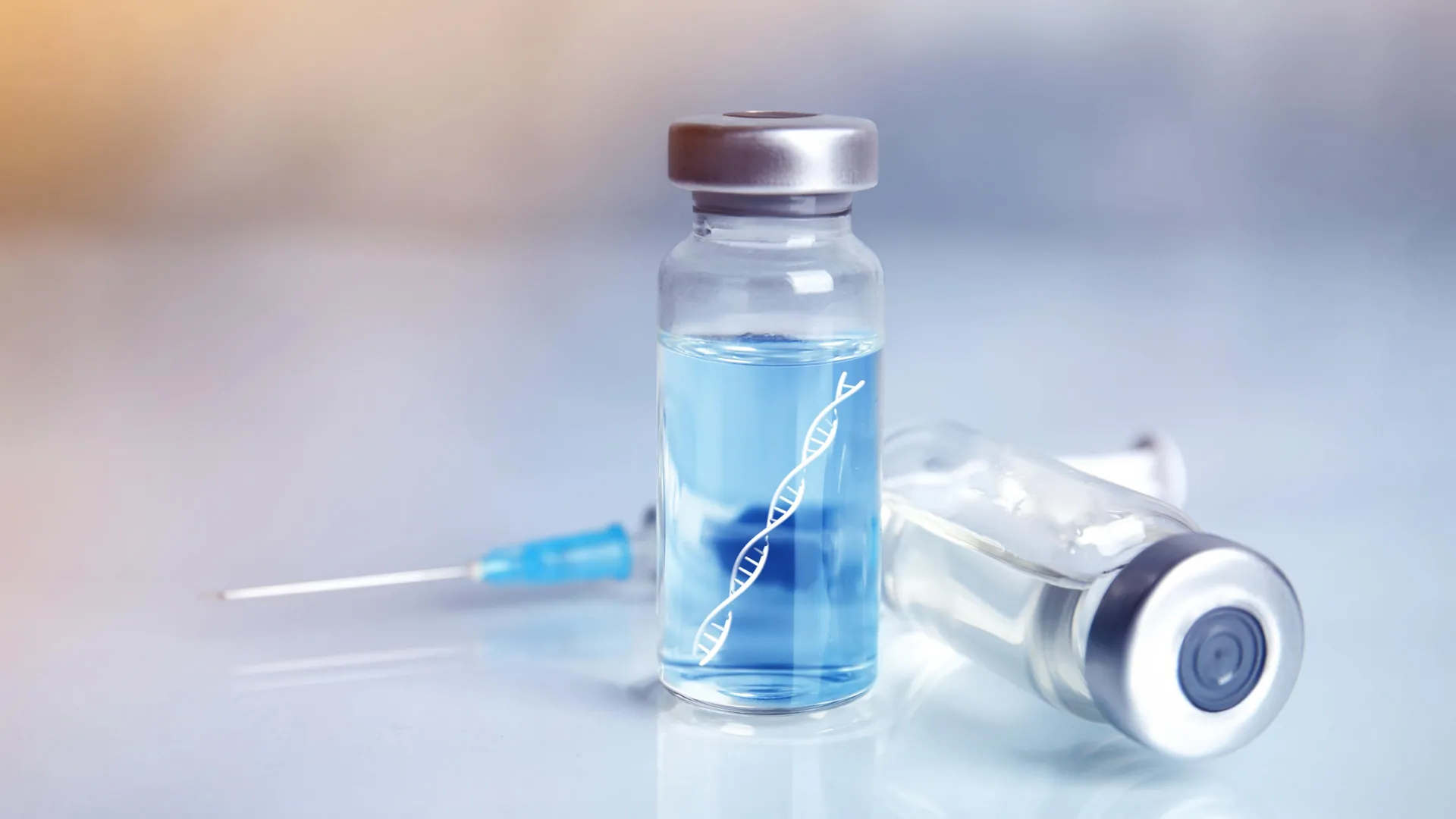
शोधकर्ता मानते हैं कि अगला कदम एक आश्चर्यजनक दिशा से आ सकता है: DNA ओरिगेमी। वैज्ञानिक अब DoriVac नामक एक प्लेटफॉर्म का परीक्षण कर रहे हैं जो मुड़े हुए DNA नैनोस्ट्रक्चर का उपयोग करता है — DNA स्ट्रैंड से अणु-निकट सटीकता के साथ इकट्ठा किए गए ज्यामितीय आकार — प्रतिरक्षा प्रणाली में एंटीजन वितरित करने के तरीके से जो पारंपरिक दृष्टिकोण की तुलना में मजबूत और अधिक टिकाऊ प्रतिरक्षा प्रतिक्रिया उत्पन्न करता है।
वैक्सीन में DNA ओरिगेमी कैसे काम करता है
DNA ओरिगेमी एक तकनीक है जिसमें एकल-फंसे DNA को पूरक छोटे DNA स्ट्रैंड का उपयोग करके स्टेपल के रूप में सटीक दो-आयामी और त्रि-आयामी आकार में मोड़ा जाता है। परिणामी नैनोस्ट्रक्चर लगभग किसी भी ज्यामिति में डिज़ाइन किए जा सकते हैं और विशिष्ट, प्रोग्रामेबल स्थानों पर प्रोटीन, छोटे अणु, या अन्य जैविक पेलोड के साथ कार्यरत हो सकते हैं।
DoriVac प्लेटफॉर्म में, इन नैनोस्ट्रक्चर को एंटीजेनिक प्रोटीन के साथ लोड किया जाता है जो ऐसे पैटर्न में व्यवस्थित होते हैं जो नकल करते हैं कि एंटीजन वास्तविक वायरस की सतह पर कैसे दिखाई देते हैं। यह स्थानिक व्यवस्था महत्वपूर्ण है। प्रतिरक्षा प्रणाली की B कोशिकाएं पुनरावर्ती, क्रमबद्ध सरणियों में प्रदर्शित एंटीजन के प्रति अधिक जोरदार प्रतिक्रिया देती हैं — एक असली रोगज़नक़ की सतह प्रोटीन के समान — विलयन में प्रस्तुत एंटीजन की तुलना में।
प्रारंभिक परिणाम
चूहों और मानव प्रतिरक्षा कोशिका मॉडल में किए गए प्रारंभिक अध्ययन में, DoriVac ने मजबूत एंटीबॉडी प्रतिक्रिया और मजबूत T कोशिका प्रतिक्रिया दोनों उत्पन्न किए। T कोशिका प्रतिक्रिया विशेष रूप से उल्लेखनीय है: mRNA वैक्सीन एंटीबॉडी प्रतिक्रिया उत्पन्न करने में उत्कृष्ट हैं लेकिन T कोशिका प्रतिरक्षा उत्पादन में परिवर्तनशील सफलता है, जो स्थापित संक्रमण को साफ करने और दीर्घकालीन सुरक्षा प्रदान करने के लिए विशेष रूप से महत्वपूर्ण है।
शोधकर्ताओं ने बताया कि DoriVac की संरचित एंटीजन प्रस्तुति डेंड्रिटिक कोशिकाओं को अधिक प्रभावी ढंग से सक्रिय करती है — प्रतिरक्षा प्रणाली की पेशेवर एंटीजन-प्रस्तुत करने वाली कोशिकाएं — विलयन रूप में वितरित एंटीजन की तुलना में। डेंड्रिटिक कोशिका सक्रिय करण मजबूत T कोशिका प्रतिक्रिया उत्पन्न करने की एक मुख्य बाधा है।
उत्पादन लाभ
प्रतिरक्षा संबंधी प्रदर्शन के अलावा, DoriVac प्लेटफॉर्म mRNA वैक्सीन की तुलना में सार्थक उत्पादन लाभ प्रदान कर सकता है। DNA RNA की तुलना में रासायनिक रूप से अधिक स्थिर है, कोल्ड-चेन आवश्यकताओं को कम करता है और परिवेश स्थितियों के तहत शेल्फ जीवन बढ़ाता है। DNA नैनोस्ट्रक्चर का संश्लेषण मौजूदा DNA संश्लेषण बुनियादी ढांचे का उपयोग करके किया जा सकता है और mRNA वैक्सीन पर निर्भर विशेष लिपिड नैनोपार्टिकल फॉर्मुलेशन की आवश्यकता नहीं है।
शोधकर्ता यह भी नोट करते हैं कि DNA ओरिगेमी नैनोस्ट्रक्चर के मॉड्यूलर डिज़ाइन प्लेटफॉर्म को स्वाभाविक रूप से अनुकूलनीय बनाता है। एंटीजन लक्ष्य को बदलने के लिए अंतर्निहित वितरण प्रणाली को फिर से डिज़ाइन करने के बजाय संलग्न पेलोड को संशोधित करने की आवश्यकता है — एक विशेषता जो उभरती संक्रामक रोग संकटों के लिए तेजी से प्रतिक्रिया सक्षम कर सकती है।
नैदानिक परीक्षण का रास्ता
DoriVac प्लेटफॉर्म प्रीक्लिनिकल चरण में है, मानव विषयों में इसके व्यवहार और महामारी-स्तर के उत्पादन के लिए इसकी मापनीयता के बारे में महत्वपूर्ण प्रश्न बने हुए हैं। शोधकर्ता ऐसी बीमारियों को लक्ष्य कर रहे हैं जहां मौजूदा वैक्सीन तकनीक की सीमाएं सबसे तीव्र हैं — HIV, Ebola, और COVID-19 वेरिएंट — प्रारंभिक नैदानिक विकास के प्राथमिकताओं के रूप में।
HIV वैक्सीन विकास ने चार दशकों तक इस क्षेत्र को चुनौती दी है, वायरस के तेजी से बदलते सतह प्रोटीन के खिलाफ व्यापक रूप से तटस्थ एंटीबॉडी उत्पन्न करने की कठिनाई केंद्रीय बाधा बनी हुई है। संरचित एंटीजन प्रस्तुति के लिए DoriVac दृष्टिकोण इस बाधा को दूर करने के लिए शोधकर्ता जो कई रणनीतियों का पीछा कर रहे हैं उनमें से एक है।
यह लेख Science Daily द्वारा रिपोर्टिंग पर आधारित है। मूल लेख पढ़ें।
Originally published on sciencedaily.com