अंटार्कटिका की एक लंबे समय से बहस में रही प्रक्रिया अब सीधे देखी गई है
वैज्ञानिकों ने पहली बार सीधे पुष्टि की है कि अंटार्कटिक ग्लेशियर की सतह का पिघला हुआ पानी उसके आधार तक पहुंच सकता है, बर्फ के नीचे जलदाब बढ़ा सकता है, और ग्लेशियर की समुद्र की ओर गति को तेज़ कर सकता है।
Nature Communications में प्रकाशित यह निष्कर्ष, जिसका नेतृत्व होक्काइदो विश्वविद्यालय के शिन सुगियामा ने किया, ध्रुवीय विज्ञान में एक बड़ी अनिश्चितता को संबोधित करता है। शोधकर्ताओं ने यह तंत्र ग्रीनलैंड, अलास्का और यूरोप के पर्वतीय ग्लेशियरों में लंबे समय से दर्ज किया है, लेकिन क्या यही प्रक्रिया अंटार्कटिका में भी काम कर रही थी, यह अब तक स्पष्ट नहीं था।
यह महत्वपूर्ण है क्योंकि अंटार्कटिका में दुनिया की अधिकांश ग्लेशियर बर्फ मौजूद है। अध्ययन में कहा गया है कि अंटार्कटिक बर्फ की चादर में वैश्विक ग्लेशियर बर्फ का लगभग 90% हिस्सा है और इसके पूरी तरह पिघल जाने पर समुद्र स्तर लगभग 60 मीटर बढ़ सकता है। अंटार्कटिक बर्फ को प्रभावित करने वाली हर प्रक्रिया तुरंत बड़े पैमाने पर बदलाव नहीं लाती, लेकिन ग्लेशियर गति के तंत्र को समझना भविष्य में समुद्र स्तर बढ़ने का अनुमान लगाने के लिए केंद्रीय है।
शोधकर्ताओं ने क्या किया
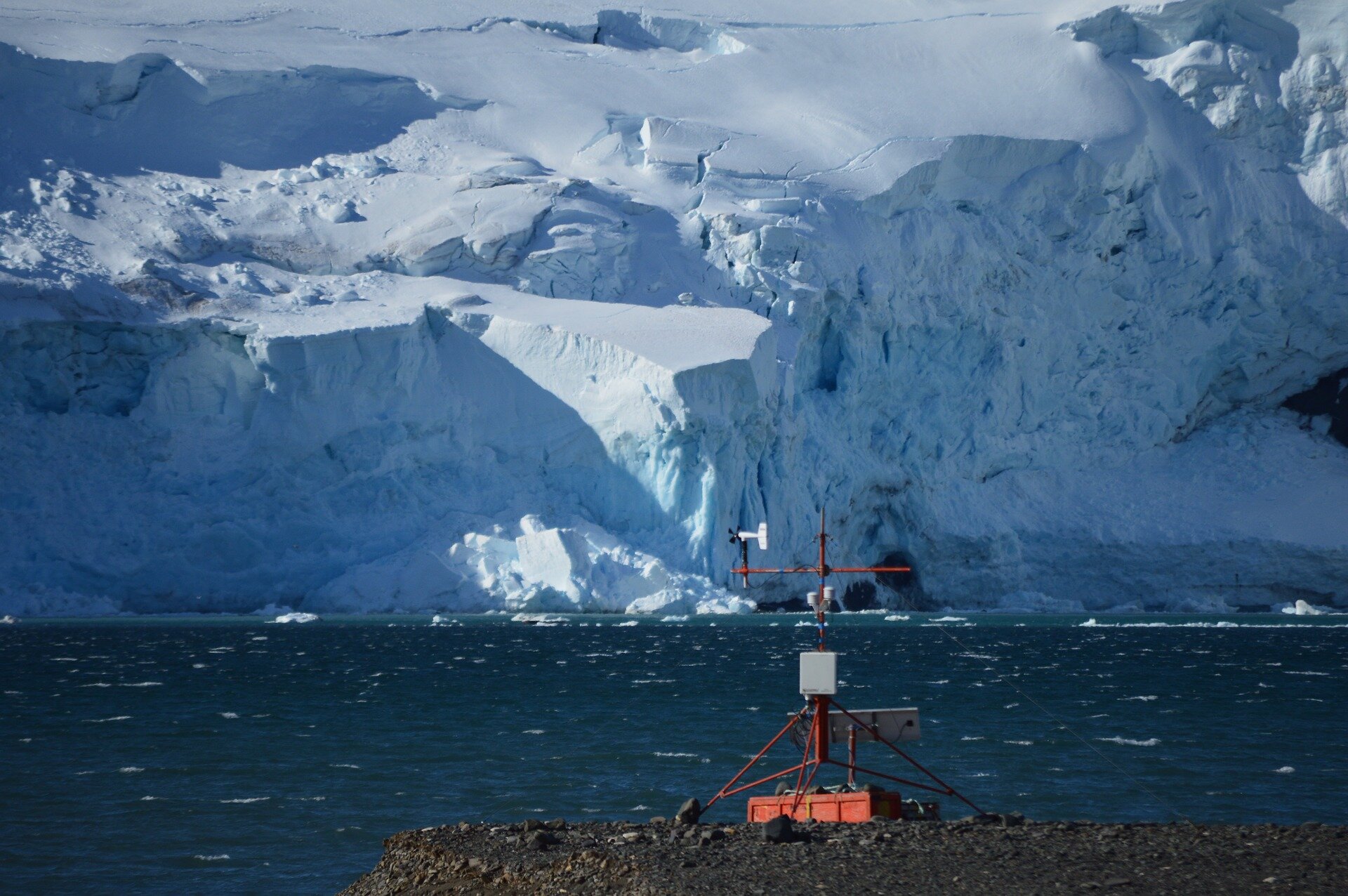
टीम ने पूर्वी अंटार्कटिका के लान्घोवेड़े ग्लेशियर में 550 मीटर से अधिक गहरे बोरहोल ड्रिल किए और ग्लेशियर के आधार तक दबाव सेंसर और कैमरे नीचे उतारे। इस फील्डवर्क ने उन्हें बर्फ और आधारशिला के संपर्क-स्थल पर स्थितियों को सीधे देखने का मौका दिया, जिसे उपग्रह नहीं देख सकते।
शोधकर्ताओं ने पाया कि ग्लेशियर की सतह पर पिघला हुआ पानी झीलों और तालाबों में जमा हुआ और फिर बर्फ में दरारों के जरिए नीचे की ओर बह गया। इस प्रक्रिया को हाइड्रोफ्रैक्चरिंग कहा जाता है, और यह तब होती है जब सतही पानी का भार बर्फ को तोड़ने और गहरे स्तरों तक रास्ते खोलने में मदद करता है।
पानी जब आधार तक पहुंचा, तो उसने दबाव इतना बढ़ा दिया कि ग्लेशियर आंशिक रूप से उसके नीचे की चट्टान से उठ गया। व्यवहार में, पानी ने बर्फ और आधारशिला के बीच की सीमा को चिकना किया, घर्षण घटाया, और ग्लेशियर को तेज़ी से फिसलने दिया।
प्रभाव का पैमाना
अध्ययन के अनुसार, जनवरी 2022 में सतह के तीव्र पिघलाव और एक दुर्लभ वर्षा-घटना ने आधारभूत जलदाब को इतना बढ़ा दिया कि उसने ऊपर की बर्फ के भार का 97% तक सहारा दिया। उस दौरान ग्लेशियर थोड़ा ऊपर उठा और उसकी फिसलन की गति 10% से 20% तक बढ़ गई।
ये आँकड़े इसलिए महत्वपूर्ण हैं क्योंकि वे किसी मॉडल की केवल संभावना नहीं, बल्कि एक प्रत्यक्ष यांत्रिक प्रतिक्रिया दिखाते हैं। यह परिणाम दर्शाता है कि पूर्वी अंटार्कटिका में भी, जिसे अक्सर महाद्वीप के कुछ अन्य हिस्सों की तुलना में अधिक ठंडा और स्थिर माना जाता है, अल्पकालिक सतही पिघलाव घटनाएं ग्लेशियर गति में तेज़ बदलाव ला सकती हैं।
वर्षा का महत्व भी साफ़ दिखाई देता है। गर्म होते जलवायु तंत्र में, अंटार्कटिका के कुछ क्षेत्रों में पिघलाव और वर्षा के पैटर्न बदलने की उम्मीद है। यदि सतह पर तरल पानी अधिक सामान्य हो जाता है, तो यहां दर्ज की गई प्रक्रियाएं एक बड़े क्षेत्र में अधिक प्रासंगिक हो सकती हैं।
यह चर्चा को क्यों बदलता है
सतही पिघले पानी का अस्तित्व नया नहीं है। अनिश्चितता इस बात को लेकर थी कि क्या वह पानी अंटार्कटिका में भरोसेमंद ढंग से ग्लेशियर के आधार तक पहुंच सकता है और अन्य जगहों की तरह वही चिकनाई प्रभाव पैदा कर सकता है। यह अध्ययन निरीक्षणात्मक समर्थन देता है कि वह ऐसा कर सकता है।
इसका यह अर्थ नहीं कि हर अंटार्कटिक ग्लेशियर अब इसी तरह व्यवहार करता है, और न ही यह कि पूरी बर्फ की चादर समान रूप से तेज़ हो जाएगी। अंटार्कटिका विशाल, विविध और कई परस्पर क्रियाशील कारकों से संचालित है, जिनमें समुद्री तापमान, आइस-शेल्फ की स्थिरता, हिमपात, स्थलाकृति और आधार की स्थितियां शामिल हैं।
फिर भी, यह परिणाम ज्ञान की एक बड़ी कमी को कम करता है। यह संकेत देता है कि शोधकर्ताओं को बर्फ-गतिकी मॉडलों में सतह-से-आधार जल निकासी को अधिक गंभीरता से शामिल करना होगा, खासकर तटीय और मौसमी रूप से पिघलने वाले क्षेत्रों में, जहां पानी बर्फ की सतह पर जमा हो सकता है।
जलवायु से संबंध
अध्ययन यह भी याद दिलाता है कि बर्फ की चादरों पर जलवायु के प्रभाव केवल साधारण सतही पिघलाव तक सीमित नहीं हैं। पानी एक प्रवर्धक की तरह काम कर सकता है। यदि वह आधार तक पहुंच जाए और घर्षण कम कर दे, तो पिघले पानी की मात्रा में मामूली बढ़ोतरी भी अपेक्षाकृत बड़ा प्रभाव पैदा कर सकती है।
यह समझाता है कि क्रायोस्फियर शोध अब केवल कुल मात्रा पर नहीं, बल्कि प्रक्रियाओं पर भी अधिक ध्यान क्यों दे रहा है। खोई गई बर्फ की मात्रा महत्वपूर्ण है, लेकिन यह भी महत्वपूर्ण है कि गर्मी ग्लेशियर के व्यवहार को किस भौतिक रास्ते से बदलती है। हाइड्रोफ्रैक्चरिंग, पिघले पानी की निकासी, और आधारभूत चिकनाई इस श्रृंखला के सभी हिस्से हैं।
ग्रीनलैंड में, ये संबंध पहले से ही अच्छी तरह स्थापित हैं। अंटार्कटिका को समझना अधिक कठिन रहा है क्योंकि इसका पैमाना बड़ा है, यह दूरस्थ है, और यहां की जलवायु परिस्थितियां अलग हैं। इसलिए ऐसे क्षेत्रीय माप असामान्य रूप से मूल्यवान हैं: वे एक बहस योग्य तंत्र को एक देखे गए तंत्र में बदल देते हैं।
भविष्य के अनुमानों के लिए इसका क्या अर्थ है
समुद्र-स्तर मॉडल इस बात पर निर्भर करते हैं कि ग्लेशियर कभी-कभार होने वाले पिघलाव और वर्षा पर कितनी तेज़ी से प्रतिक्रिया कर सकते हैं। यदि सतही पानी समय-समय पर अंटार्कटिक ग्लेशियरों की गति को दो अंकों के प्रतिशत तक बढ़ा सकता है, भले ही थोड़े समय के लिए, तो उस व्यवहार को भविष्य के जोखिम अनुमानों में शामिल करना पड़ सकता है।
यह शोध अंटार्कटिक बर्फ-हानि से जुड़ी सभी अनिश्चितताओं को हल करने का दावा नहीं करता। यह इससे भी अधिक बुनियादी काम करता है: यह पुष्टि करता है कि एक महत्वपूर्ण ट्रिगर मौजूद है और उसे जमीन पर मापा जा सकता है। इससे मॉडल बनाने वालों के पास यह पूछने का अधिक ठोस आधार मिलता है कि यह प्रक्रिया कितनी व्यापक है, कितनी बार होती है, और गर्मी बढ़ने के साथ यह कैसे विकसित हो सकती है।
सामान्य जनता के लिए संदेश यह नहीं है कि अंटार्कटिका अचानक रातोंरात ढह रहा है। अधिक तर्कसंगत निष्कर्ष यह है कि महाद्वीप के ग्लेशियर सतही पिघलाव से पहले के प्रत्यक्ष प्रमाणों की तुलना में कहीं अधिक गतिशील रूप से जुड़े हो सकते हैं।

बदलती बर्फ की चादर की अधिक स्पष्ट तस्वीर
ध्रुवीय विज्ञान अक्सर उन जगहों पर धैर्यपूर्ण अवलोकनों के जरिए आगे बढ़ता है जहां पहुंचना कठिन होता है और मापना उससे भी कठिन। यह भी ऐसा ही एक मामला है। ग्लेशियर के भीतर गहराई तक ड्रिल करके और उसके नीचे क्या हुआ, यह देखकर शोधकर्ताओं ने एक ऐसा तंत्र पकड़ा जिसका समुद्र-स्तर वृद्धि, बर्फ-चादर मॉडलिंग और जलवायु जोखिम पर प्रत्यक्ष प्रभाव है।
यह अध्ययन इसलिए महत्वपूर्ण है कि यह कोई सनसनीखेज शीर्षक नहीं देता, बल्कि अंटार्कटिक ग्लेशियर कैसे चल सकते हैं, इस पर एक विवादित बिंदु को स्पष्ट करता है। जलवायु विज्ञान में, ऐसे स्पष्ट किए गए बिंदु ही अंततः बड़े पूर्वानुमानों को अधिक सटीक बनाते हैं।
यह लेख Phys.org की रिपोर्टिंग पर आधारित है। मूल लेख पढ़ें.
Originally published on phys.org