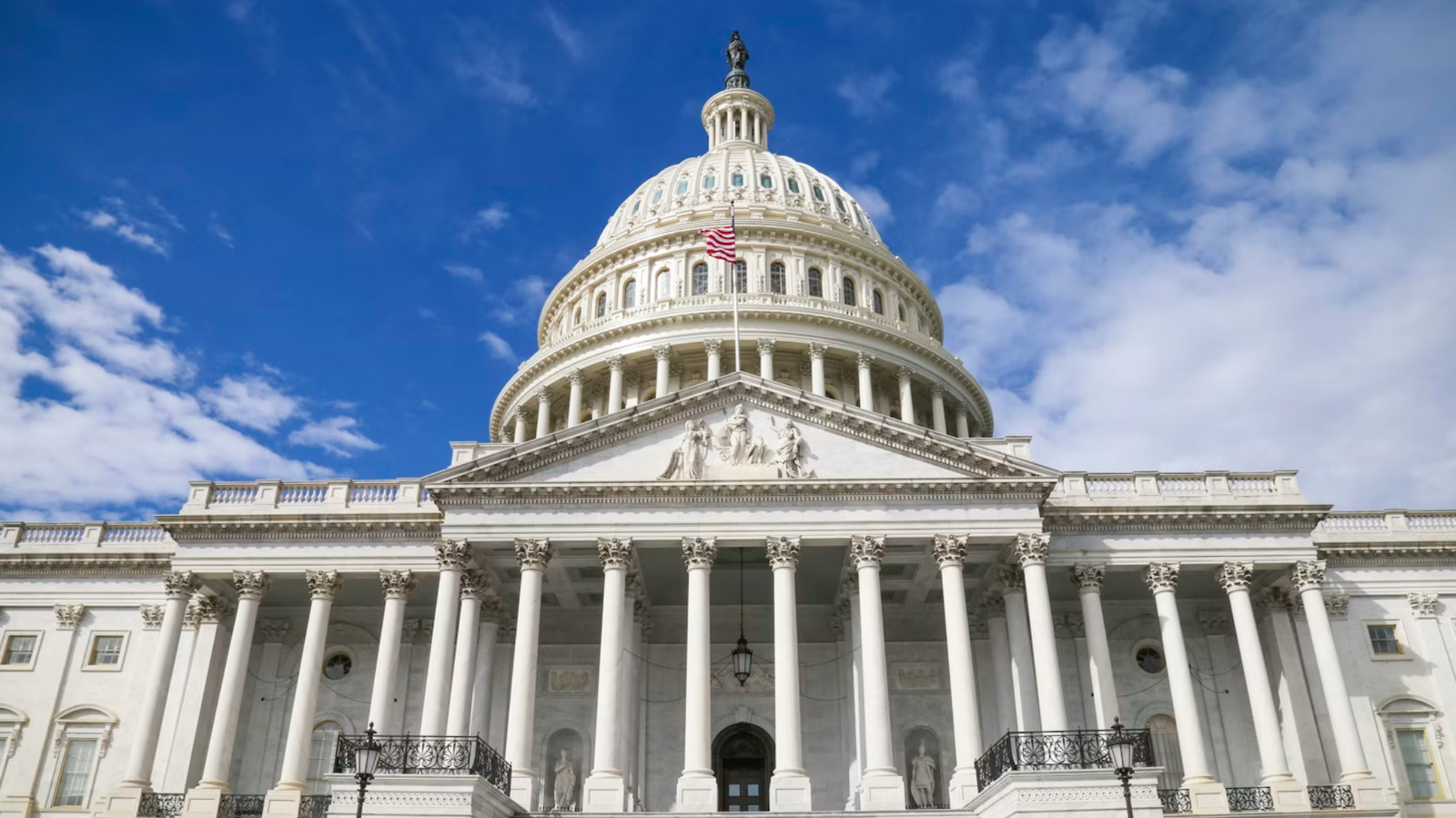
लंबे समय से चली आ रही निगरानी शक्ति एक असामान्य ठहराव पर पहुँच गई है
Foreign Intelligence Surveillance Act की Section 702 अब समाप्त होने की स्थिति में है, क्योंकि कांग्रेस इसे बढ़ाने में विफल रही। यह 2008 में स्थापित होने के बाद पहली बार होगा जब यह प्राधिकरण समाप्त होगा। उपलब्ध स्रोत के अनुसार, हाउस ने उस प्रस्ताव को खारिज कर दिया था जो कानून को 2 जुलाई तक बढ़ाता, और इसके बाद सीनेट भी वैकल्पिक विस्तार प्रयासों को आगे नहीं बढ़ा सकी। तात्कालिक परिणाम यह है कि अमेरिकी सरकार के सबसे महत्वपूर्ण और सबसे विवादास्पद निगरानी उपकरणों में से एक में एक दुर्लभ व्यवधान आ गया है।
मतदान खुद भी उल्लेखनीय था। स्रोत सामग्री के अनुसार, हाउस प्रस्ताव को दो-तिहाई बहुमत चाहिए था, लेकिन उसे साधारण बहुमत भी नहीं मिला, और लगभग 20 Republicans ने Democrats के साथ मिलकर इसे रोक दिया। यह एक महत्वपूर्ण राजनीतिक संकेत है, क्योंकि Section 702 कई प्रशासनिक दौरों से, दोनों दलों के तहत, बार-बार नवीनीकरण लड़ाइयों से बचता आया है। इस प्राधिकरण के National security establishment में लंबे समय से समर्थक रहे हैं, लेकिन इसकी civil-liberties आपत्तियाँ भी कभी पूरी तरह समाप्त नहीं हुईं।
इस बार केवल मूल privacy बहस ही नहीं बदली। स्रोत पाठ Donald Trump की उस योजना के इर्द-गिर्द राजनीतिक टूटन की ओर इशारा करता है, जिसके तहत वह अपने सहयोगी Bill Pulte को director of national intelligence बनाना चाहते हैं। Democrats ने उनकी intelligence experience की कमी और इस आशंका पर चिंता जताई कि Section 702 के तहत एकत्र संवेदनशील जानकारी का राजनीतिक या निजी उद्देश्यों के लिए दुरुपयोग हो सकता है। Senator Mark Warner की यह मांग कि Pulte acting DNI के रूप में काम नहीं करेंगे, इस बात पर जोर देती है कि नवीनीकरण की लड़ाई executive branch पर भरोसे से कितनी जुड़ गई थी।
Section 702 सरकार को संयुक्त राज्य के बाहर स्थित विदेशी लक्ष्यों की warrantless surveillance करने की अनुमति देती है। लेकिन, जैसा कि उपलब्ध विवरण कहता है, यह प्राधिकरण FBI और NSA जैसी एजेंसियों को अमेरिकियों से जुड़ी जानकारी भी एकत्र करने देता है, जब उसे foreign-intelligence value देने की उचित संभावना मानी जाती है। यही gray area वर्षों से आलोचना का कारण रहा है, खासकर इसलिए क्योंकि दर्ज किए गए misuse ने बार-बार इस दावे को कमजोर किया कि कार्यक्रम को संकीर्ण रूप से संभाला जाता है।
स्रोत पाठ compliance failures के इतिहास का हवाला देता है, जिनमें 2017 और 2018 में ही tens of thousands अनुचित database searches शामिल थे, और बाद में FBI तथा NSA द्वारा कई उल्लंघन किए जाने के निष्कर्ष भी आए। इन्हीं घटनाओं ने समझाया कि जो कानून कभी नियमित रूप से बढ़ा दिया जाता था, वह अब अधिक नाज़ुक गठबंधन से क्यों टकरा गया। civil-liberties आपत्तियाँ सिर्फ इसलिए गायब नहीं हुईं कि निगरानी को foreign-facing बताया गया था, और जब intelligence apparatus के नियंत्रण पर ही राजनीतिक मुद्दा बन गया, तो भरोसे का संकट और गहरा गया।
यह lapse व्यापक निगरानी बहस को समाप्त नहीं करता। यह उसे और तीखा बनाता है। अब विधायकों के सामने एक routine renewal vote से कठिन सवाल है: क्या प्राधिकरण को उसी रूप में बहाल किया जाए, क्या कड़े guardrails के साथ फिर से अधिकृत किया जाए, या expiration को एक structural reset के लिए मजबूर करने के अवसर के रूप में लिया जाए। क्योंकि हाउस के 23 जून तक फिर वोट करने की उम्मीद नहीं है, यह देरी प्रतीकात्मक नहीं है। यह कानूनी ढाँचे में, चाहे अस्थायी ही सही, एक वास्तविक अंतर पैदा करती है, जिसे national-security अधिकारी लंबे समय से परिचालन रूप से महत्वपूर्ण बताते आए हैं।
आगे क्या होगा
- कांग्रेस वापस आने पर अभी भी अल्पकालिक या दीर्घकालिक extension पारित कर सकती है।
- Section 702 की किसी भी बहाली में domestic querying और oversight पर सीमाओं की मांग और सख्त हो सकती है।
- intelligence community का नेतृत्व कौन करेगा, इस पर चल रहा संघर्ष कानून के राजनीतिक भविष्य में केंद्रीय बना रह सकता है।
सालों तक Section 702 renewal fights का नतीजा एक ही रहता था: कानून बच जाता था। इस बार surveillance fatigue, दर्ज किए गए compliance problems, और intelligence leadership को लेकर अविश्वास के संयोजन ने अलग परिणाम पैदा किया। भले ही कांग्रेस जल्द ही प्राधिकरण बहाल कर दे, यह lapse दिखाता है कि पुरानी सहमति अब कायम नहीं रही।
यह लेख Engadget की रिपोर्ट पर आधारित है। मूल लेख पढ़ें.
Originally published on engadget.com