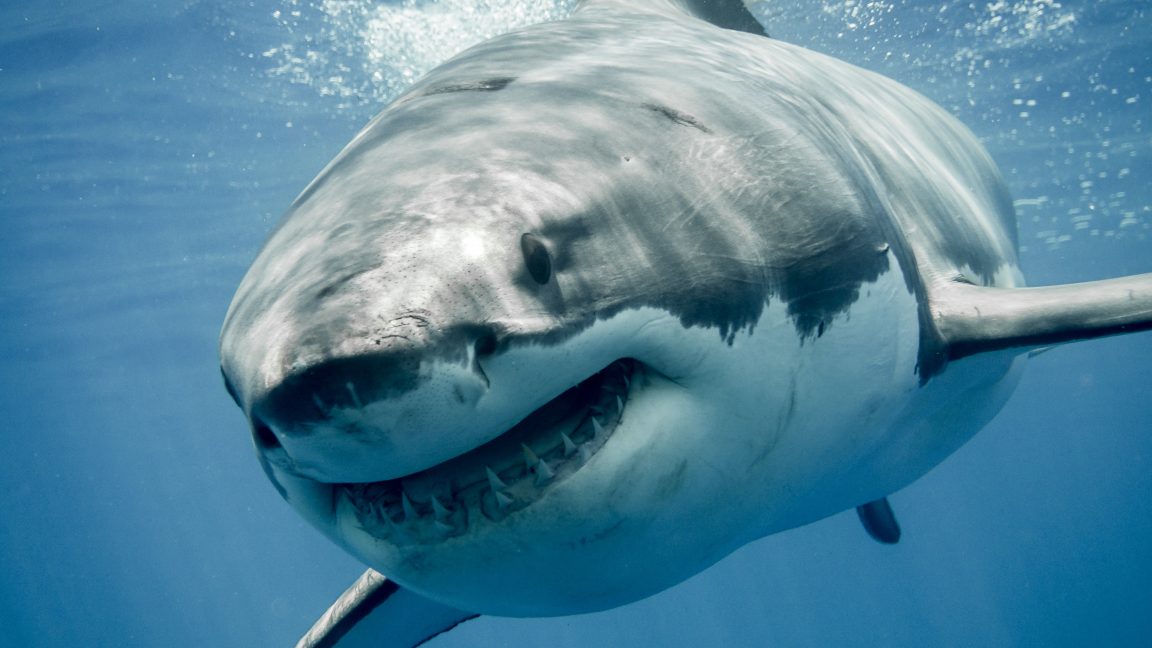
एक विकासवादी लाभ अब जलवायु दायित्व में बदल सकता है
ग्रेट व्हाइट शार्क ने अपनी सफलता का एक हिस्सा एक दुर्लभ शारीरिक क्षमता पर बनाया है: वे अपने शरीर को आसपास के समुद्री जल से अधिक गर्म रख सकती हैं। यह ऊष्मा-धारण क्षमता उनकी गति, शिकार क्षमता और लंबी दूरी की आवाजाही को समर्थन देती है। लेकिन जैसे-जैसे समुद्र का तापमान बढ़ता है, यही गुण एक बढ़ती हुई कमजोरी बन सकता है।
Science में प्रकाशित और Ars Technica द्वारा वर्णित एक नई रिपोर्ट के अनुसार, ग्रेट व्हाइट और अन्य तथाकथित मेसोथर्मिक मछलियों को गर्म जल में अधिक ताप-जनित जोखिम का सामना करना पड़ सकता है। चिंता केवल अलग-अलग जानवरों तक सीमित नहीं है। ये प्रजातियाँ अक्सर समुद्री खाद्य-जाल में शीर्ष स्थानों पर होती हैं, जिसका अर्थ है कि उनके क्षेत्र या प्रदर्शन में बदलाव पूरे पारिस्थितिकी तंत्र में तरंगें पैदा कर सकता है।
यह निष्कर्ष एक व्यापक जलवायु कहानी को और स्पष्ट करता है। गर्माहट सभी समुद्री जीवों को समान रूप से प्रभावित नहीं करती। असामान्य चयापचय, बड़े शरीर और उच्च ऊर्जा-आवश्यकताओं वाली प्रजातियाँ दूसरों की तुलना में पहले शारीरिक सीमाओं तक पहुँच सकती हैं, खासकर तब जब भोजन की उपलब्धता भी दबाव में हो।
गर्म-शरीर वाली मछलियाँ अलग क्यों हैं
अधिकांश मछलियाँ प्रभावी रूप से ठंडे खून वाली होती हैं, जिनके शरीर का तापमान आसपास के पानी के अनुरूप रहता है। मेसोथर्मिक प्रजातियाँ इससे अलग हैं क्योंकि वे कुछ आंतरिक रूप से उत्पन्न ऊष्मा को बनाए रखती हैं। यह समूह दुर्लभ है और समुद्री जीवन का बहुत छोटा हिस्सा प्रतिनिधित्व करता है, लेकिन इसमें ग्रेट व्हाइट शार्क, बास्किंग शार्क, थ्रेशर शार्क, पोर्बीगल शार्क और कई टूना प्रजातियाँ जैसी पारिस्थितिक और व्यावसायिक रूप से महत्वपूर्ण मछलियाँ शामिल हैं।
यह गर्म-शरीर रणनीति स्पष्ट लाभ देती है। ये जानवर तेज़ी से तैर सकते हैं, अधिक गतिविधि बनाए रख सकते हैं, और कुछ मामलों में प्रभावी शिकारी या खाद्य-संग्रहकर्ता बने रहते हुए बड़े क्षेत्रों में फैले रह सकते हैं। ग्रेट व्हाइट जैसे शीर्ष शिकारी के लिए, इस शरीर-क्रिया-विज्ञान ने लाखों वर्षों में महासागर में उनकी स्थिति को आकार देने में मदद की।
लेकिन यही प्रणाली ऊर्जा की दृष्टि से महंगी भी है। रिपोर्ट कहती है कि मेसोथर्मिक मछलियाँ अपने ठंडे खून वाले समकक्षों की तुलना में कहीं अधिक ऊर्जा जलाती हैं। जैसे-जैसे समुद्री जल का तापमान बढ़ता है, ऊष्मा उत्पन्न करने और ऊष्मा खोने के बीच का अंतर संभालना कठिन होता जाता है, खासकर बड़े जानवरों में जिनके शरीर ऊष्मा को प्रभावी ढंग से रोकते हैं।
सरल शब्दों में, वे उन परिस्थितियों में बहुत अधिक गर्म हो सकती हैं जो पहले उन्हें सहारा देती थीं।

गर्मी और भूख का दोहरा दबाव
अध्ययन इन प्रजातियों के लिए एक “दोहरा संकट” इंगित करता है। उन्हें अपने ऊँचे शरीर तापमान को बनाए रखने के लिए पर्याप्त ऊर्जा चाहिए, लेकिन गर्म होते महासागर भोजन की उपलब्धता में गिरावट के साथ आ रहे हैं, जो आंशिक रूप से अतिमछली पकड़ के कारण है। यह संयोजन जानवरों को दोनों दिशाओं से दबा सकता है: उनके शारीरिक खर्च बढ़ते हैं, जबकि शिकार ढूँढना और कठिन हो जाता है।
प्रमुख लेखक निक पेन, ट्रिनिटी कॉलेज डबलिन, ने Inside Climate News को बताया कि शार्क केवल आवश्यकता पर अतिरिक्त भोजन ढूँढकर इसकी भरपाई नहीं कर सकतीं। यह महत्वपूर्ण है क्योंकि जलवायु दबाव शायद ही कभी एक ही चर का मामला होता है। समुद्री शिकारी के लिए तापमान, शिकार तक पहुँच, प्रतिस्पर्धा और आवाजाही, सब परस्पर क्रिया करते हैं।
कुछ प्रजातियाँ ठंडे पानी में गोता लगाकर या अधिक ऊष्मा छोड़ने के लिए रक्त प्रवाह बदलकर आंशिक रूप से अनुकूलन कर सकती हैं। लेकिन इन रणनीतियों की अपनी सीमाएँ हैं। मौसमी गर्माहट, खासकर गर्मियों में, आवास के बड़े हिस्सों को अनुपयुक्त बना सकती है, जिससे जानवर संकीर्ण तापीय शरणस्थलों में धकेले जा सकते हैं जहाँ शिकार के लिए प्रतिस्पर्धा तीव्र हो सकती है।
ग्रेट व्हाइट के लिए, जिनकी सांस्कृतिक छवि अक्सर उनकी जैविक सीमाओं को ढक देती है, यह याद दिलाता है कि शीर्ष शिकारी का दर्जा लचीलापन सुनिश्चित नहीं करता।
क्षेत्रीय बदलाव समुद्री पारिस्थितिकी तंत्रों को पुनर्गठित कर सकते हैं
जब शीर्ष शिकारी स्थानांतरित होते हैं, पारिस्थितिकी तंत्र भी उनके साथ बदलते हैं। यदि मेसोथर्मिक शार्क और टूना ठंडे जल की ओर धकेले जाते हैं, तो बदलाव केवल उनके अपने वितरण मानचित्रों तक सीमित नहीं रहेंगे। कुछ क्षेत्रों में शिकार-दबाव बढ़ सकता है और अन्य में कम हो सकता है। शिकार प्रजातियाँ भी प्रतिक्रिया देंगी। मछली-पालन उद्योगों को भी बदलते स्टॉक पैटर्न और प्रबंधन संबंधी नई चुनौतियाँ दिख सकती हैं।
स्रोत पाठ बताता है कि ये प्रजातियाँ खाद्य-जाल में उनके नीचे मौजूद जीवों पर अनुपातहीन नियंत्रण रखती हैं। यही कारण है कि पारिस्थितिकी तंत्र की दृष्टि से वे विशेष रूप से महत्वपूर्ण हैं। जलवायु-जनित संकुचन या पुनर्वितरण, जैसे कि ग्रेट व्हाइट, ब्लूफिन टूना या बास्किंग शार्क का, कोई सीमित जैविक कहानी नहीं होगी। यह महासागर के कुछ हिस्सों के काम करने के तरीके में एक संरचनात्मक बदलाव होगा।
इसमें एक भौगोलिक आयाम भी है। जो क्षेत्र अभी प्रतिष्ठित शिकारी आबादियों को सहारा देते हैं, वे गर्म अवधियों में कम अनुकूल हो सकते हैं, जबकि ठंडे क्षेत्रों में समान शिकार संसाधनों के लिए प्रतिस्पर्धा करने वाली प्रजातियों के बीच नया ओवरलैप दिखाई दे सकता है।

रिपोर्ट क्या बदलती है
समुद्री जीवन पर जलवायु चर्चाएँ अक्सर प्रवाल विरंजन, प्रजातियों का ध्रुवों की ओर खिसकना, या अम्लीकरण पर केंद्रित रहती हैं। यह रिपोर्ट एक अधिक विशिष्ट शारीरिक चेतावनी जोड़ती है: कुछ मछलियाँ केवल आवास परिवर्तन से ही नहीं, बल्कि गर्म आधार-स्थितियों के तहत अपनी ही ताप-प्रबंधन रणनीति से भी खतरे में पड़ सकती हैं।
यह अंतर महत्वपूर्ण है क्योंकि यह संकेत देता है कि संवेदनशीलता इन जानवरों के संचालन की यांत्रिकी में ही अंतर्निहित है। जिस विशेषता ने उन्हें ठंडे समुद्रों में शक्तिशाली बनाया, वही गर्म समुद्रों में उनके विकल्प सीमित कर सकती है।
यह संरक्षण को भी जटिल बनाता है। यदि उपयुक्त आवास का तापीय दायरा सिकुड़ रहा है, तो शार्कों की रक्षा केवल मछली पकड़ने का दबाव घटाने या प्रवास गलियारों को सुरक्षित रखने से पूरी नहीं होगी। प्रबंधन को जलवायु-जोखिम, शिकार वितरण, और उपयुक्त जल तापमान के बदलते भूगोल को ध्यान में रखना होगा।
यह शार्क से परे क्यों मायने रखता है
ग्रेट व्हाइट शार्क इसलिए ध्यान खींचती हैं क्योंकि वे प्रसिद्ध हैं। बड़ा सबक यह है कि जलवायु परिवर्तन लंबे समय से चले आ रहे पारिस्थितिक लाभों को उलट सकता है। जो गुण समुद्र की एक स्थिति में विकसित हुए, वे दूसरी स्थिति में दायित्व बन सकते हैं। मेसोथर्मिक मछलियाँ इसका विशेष रूप से स्पष्ट उदाहरण हैं क्योंकि उनके शरीर ठंडे खून और गर्म खून वाली रणनीतियों के बीच की सीमा पर स्थित होते हैं।
रिपोर्ट यह नहीं कहती कि ये प्रजातियाँ रातों-रात विलुप्त हो जाएँगी। यह कहती है कि उनके फलने-फूलने के नियम बदल रहे हैं। जो जानवर पहले से ही मछली पकड़ने के दबाव और घटती शिकार-उपलब्धता का सामना कर रहे हैं, उनके लिए यह एक महत्वपूर्ण चेतावनी है।
जैसे-जैसे महासागर गर्म होते जा रहे हैं, उभरता हुआ सवाल सिर्फ यह नहीं है कि क्या समुद्री प्रजातियाँ स्थानांतरित हो सकती हैं। सवाल यह है कि क्या उनका शरीर-विज्ञान अब भी उस दुनिया की गति से तालमेल रख सकता है जिसमें वे आगे बढ़ रही हैं।
यह लेख Ars Technica की रिपोर्टिंग पर आधारित है। मूल लेख पढ़ें.

Originally published on arstechnica.com
