अपोलो युग का रिकॉर्ड टूटा, जब आर्टेमिस II ने नया डीप-स्पेस रिकॉर्ड बनाया
नासा के आर्टेमिस II मिशन ने मानव अंतरिक्षयात्रा के इतिहास में एक नई प्रविष्टि जोड़ दी है: इसके चार-सदस्यीय दल ने पृथ्वी से किसी भी पूर्व मानव से अधिक दूरी तय की। Ars Technica की रिपोर्ट के अनुसार, अंतरिक्षयान पृथ्वी से 252,756 मील दूर पहुंचा, जो अप्रैल 1970 में अपोलो 13 द्वारा बनाए गए 248,655 मील के रिकॉर्ड से आगे निकल गया।
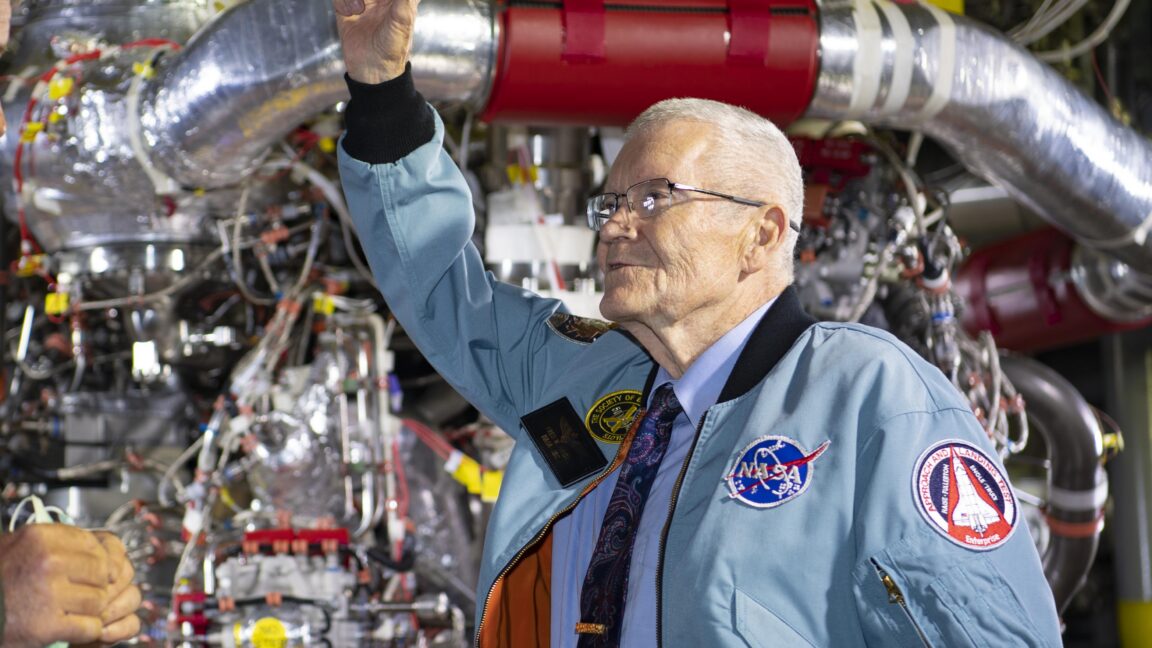
यह रिकॉर्ड लगभग 56 वर्षों तक कायम रहा। इसे नासा के सबसे नाटकीय मिशनों में से एक के दौरान स्थापित किया गया था, जब अपोलो 13 चंद्रमा के चारों ओर घूमकर लौट आया था, क्योंकि एक ऑनबोर्ड विस्फोट ने उसके नियोजित लैंडिंग प्रयास को समाप्त कर दिया था। अपोलो 13 के अंतरिक्ष यात्रियों में से एक, फ्रेड हैज़, अपोलो युग में चंद्रमा तक उड़ान भरने वाले लोगों के उस छोटे समूह के अंतिम जीवित सदस्यों में शामिल हैं। आर्टेमिस II अब उस पहले पीढ़ी के दल को एक नई पीढ़ी से जोड़ता है।
आर्टेमिस II और आगे क्यों गया
नया रिकॉर्ड जरूरी नहीं कि यह दर्शाता हो कि आर्टेमिस II हर अपोलो मिशन की तुलना में सरल रेखीय अर्थ में अधिक महत्वाकांक्षी चंद्र गंतव्य था। दूरी का आंकड़ा मिशन डिजाइन और कक्षीय यांत्रिकी से तय हुआ था। Ars Technica नोट करता है कि आर्टेमिस II ने एक फ्री-रिटर्न ट्रैजेक्टरी का उपयोग किया, जिससे चंद्रमा का गुरुत्वाकर्षण ओरियन अंतरिक्षयान को पुनःप्रवेश के लिए पृथ्वी की ओर वापस मोड़ सका। इस पथ ने दल को चंद्रमा से थोड़ी अधिक 4,000 मील आगे तक ले जाया।
चंद्रमा की पृथ्वी के चारों ओर कक्षा भी महत्वपूर्ण है। यह पूर्ण वृत्त नहीं है, और पृथ्वी तथा चंद्रमा के बीच की दूरी समय के साथ बदलती रहती है। Ars की रिपोर्ट के अनुसार, यह दायरा उनके केंद्रों के बीच लगभग 225,800 मील से 252,000 मील तक है। इसका अर्थ है कि एक ही प्रकार का चंद्र मिशन उड़ान के समय चंद्रमा अपनी कक्षा में कहाँ है, इस पर निर्भर करते हुए अलग-अलग अधिकतम दूरी पैदा कर सकता है।
व्यावहारिक रूप से, आर्टेमिस II का रिकॉर्ड मिशन योजना और खगोलीय समय दोनों को दर्शाता है। दल ने चंद्र सतह के ऊपर काफी ऊँचाई तक यात्रा की और उस ज्यामिति से लाभ उठाया जिसने उन्हें अपोलो 13 के लंबे समय से कायम मानक से थोड़ा आगे बढ़ने दिया।

अपोलो से आर्टेमिस तक एक प्रतीकात्मक हस्तांतरण
यह उपलब्धि केवल संख्या के लिए नहीं, बल्कि उसके अर्थ के लिए भी उल्लेखनीय है। 1968 से 1972 के बीच, 24 अंतरिक्ष यात्रियों ने चंद्रमा तक उड़ान भरी और 12 ने इसकी सतह पर कदम रखा। Ars Technica बताता है कि अब केवल पांच चंद्र-उड़ान भरने वाले अपोलो अंतरिक्ष यात्री जीवित हैं, और सभी 90 के दशक में हैं। आर्टेमिस II के साथ, मानव चंद्र उड़ान का अनुभव अब केवल अपोलो पीढ़ी की जीवित स्मृति तक सीमित नहीं रहा।
यह प्रतीकात्मक परिवर्तन नासा के व्यापक लक्ष्य के लिए महत्वपूर्ण है। आर्टेमिस II एक चंद्र परिक्रमा उड़ान थी, न कि लैंडिंग मिशन, लेकिन इसने अंतरिक्ष यात्रियों की चंद्रमा के चारों ओर गहरे अंतरिक्ष में वापसी को चिह्नित किया। इसने उन लोगों की सूची भी बढ़ाई जो प्रत्यक्ष अनुभव से बता सकते हैं कि निम्न पृथ्वी कक्षा छोड़कर सिसलूनर अंतरिक्ष में यात्रा करना कैसा होता है।
हैज़ के लिए, रिकॉर्ड का स्थानांतरण स्वयं रिकॉर्ड से कम और अन्वेषण की निरंतरता अधिक महत्वपूर्ण प्रतीत होती है। Ars इस क्षण को आंकड़ों की प्रतिस्पर्धा के बजाय एक पीढ़ीगत हस्तांतरण के रूप में प्रस्तुत करता है। बड़ी कहानी यह है कि दशकों की अनुपस्थिति के बाद मानव चंद्र अन्वेषण फिर से सक्रिय हो गया है।
रिकॉर्ड के बाद क्या
भविष्य के आर्टेमिस मिशन आर्टेमिस II के दूरी रिकॉर्ड को तोड़ेंगे या नहीं, यह निश्चित नहीं है। चंद्र सतह के लिए जाने वाले मिशनों को चंद्रमा के दूर वाले हिस्से से उतनी अधिक दूरी तय करने की आवश्यकता नहीं हो सकती, क्योंकि उनकी कक्षाएँ फ्री-रिटर्न लूप की तुलना में लैंडिंग संचालन के लिए अधिक अनुकूलित होंगी। दूसरे शब्दों में, कोई मिशन अधिक परिचालन रूप से जटिल हो सकता है, फिर भी “पृथ्वी से सबसे दूर” का नया रिकॉर्ड नहीं बना सकता।
यह अंतर उपयोगी है। रिकॉर्ड आकर्षक संक्षिप्त रूप हो सकते हैं, लेकिन वे हमेशा मिशन के महत्व को नहीं दर्शाते। चंद्र लैंडिंग, आवास की तैनाती, या सतह पर निरंतर अभियान एक साधारण दूरी संख्या से अधिक महत्वपूर्ण होंगे। इसलिए आर्टेमिस II का रिकॉर्ड किसी बड़े ढांचे के भीतर एक मील का पत्थर है, सफलता का केंद्रीय माप नहीं।
फिर भी, यह स्पष्ट याद दिलाता है कि अपोलो के बाद से पृथ्वी कक्षा से आगे मानव गतिविधि कितनी कम रही है। दशकों तक, शटल, सोयुज़, और बाद में अंतरिक्ष स्टेशनों की मिशनों पर दल निम्न पृथ्वी कक्षा से आगे नहीं गए। आर्टेमिस II ने एक ही उड़ान में इसे बदल दिया।

यह मील का पत्थर अब क्यों गूंजता है
यह रिकॉर्ड ऐसे समय में आया है जब अंतरिक्ष एजेंसियाँ और वाणिज्यिक कंपनियाँ पृथ्वी से परे अधिक स्थायी मानव उपस्थिति की दिशा में आगे बढ़ रही हैं। नासा का आर्टेमिस कार्यक्रम अंतरिक्ष यात्रियों को चंद्रमा पर वापस ले जाने और उन मिशनों का उपयोग आगे की यात्राओं के लिए अनुभव बनाने के लिए बनाया गया है। उस संदर्भ में, आर्टेमिस II की उपलब्धि ठोस भी है और कथात्मक भी: ठोस इसलिए कि एक मापा जा सकने वाला अपोलो-युग रिकॉर्ड आखिरकार टूट गया, और कथात्मक इसलिए कि यह दिखाता है कि गहरे अंतरिक्ष में मानव उड़ान फिर से शुरू हो चुकी है।
यह यह भी रेखांकित करता है कि ऐसे मिशन अब भी कितने कठिन हैं। इतिहास में बहुत कम लोग पृथ्वी को इतनी दूर पीछे छोड़कर चंद्रमा के चारों ओर घूमे हैं। आर्टेमिस II ने इस छोटी सूची में चार नाम और जोड़ दिए। भविष्य की कक्षाएँ चाहे जैसे भी डिज़ाइन की जाएँ, यही बात मिशन को ऐतिहासिक रूप से महत्वपूर्ण बनाती है।
अपोलो 13 का रिकॉर्ड लगभग छह दशकों तक इसलिए कायम रहा क्योंकि निम्न पृथ्वी कक्षा से परे मानव अन्वेषण प्रभावी रूप से रुका रहा। आर्टेमिस II ने केवल दूरी की रेखा को कुछ हज़ार मील आगे नहीं बढ़ाया। उसने उस सीमा को फिर से खोल दिया जो 1970 के शुरुआती वर्षों से निष्क्रिय थी।
- Ars Technica के अनुसार, आर्टेमिस II पृथ्वी से 252,756 मील दूर पहुंचा।
- 248,655 मील का पिछला रिकॉर्ड अप्रैल 1970 में अपोलो 13 ने बनाया था।
- मिशन के फ्री-रिटर्न पथ और चंद्रमा की बदलती कक्षा, दोनों ने अंतिम दूरी को प्रभावित किया।
- यह मील का पत्थर अपोलो के दिग्गजों से नई पीढ़ी के चंद्र अन्वेषकों तक के पीढ़ीगत संक्रमण को दर्शाता है।
यह लेख Ars Technica की रिपोर्टिंग पर आधारित है। मूल लेख पढ़ें.
Originally published on arstechnica.com