एक शांत लेकिन महत्वपूर्ण बदलाव
यू.एस. नेवी ने अपने फॉरवर्ड-डिप्लॉयड खानमोजकों को मध्य पूर्व से प्रशांत क्षेत्र में पुनः असाइन किया है, The War Zone की रिपोर्टिंग के अनुसार। यह उस तरह की लॉजिस्टिकल पुनः स्थापना है जो शायद ही कभी सुर्खियों में आती है लेकिन वास्तविक रणनीतिक महत्व रखती है — खान युद्ध और खान प्रतिरोधक क्षमताएं बल गुणक हैं जिनका मूल्य केवल तब स्पष्ट होता है जब उनकी आवश्यकता होती है और संभावित रूप से विनाशकारी हो सकती है।
खानमोजक नौसैनिक बल संरचना में एक विशेष स्थान पर कब्जा करते हैं जो अक्सर सतह के लड़ाकू जहाज, पनडुब्बियों, या वाहक वायु पंखों की तुलना में कम ध्यान प्राप्त करते हैं। लेकिन किसी भी विवादास्पद समुद्री मार्ग से जुड़े परिदृश्य में उनका महत्व विशाल है। खान अमेरिकी नौसैनिक शक्ति के साथ सममित रूप से प्रतिस्पर्धा नहीं कर सकने वाले विरोधियों के लिए सबसे सस्ते और परिचालन रूप से व्यवधानकारी हथियार बने हुए हैं — और प्रशांत के पानी, Taiwan, South China Sea, और Korean Peninsula के आसपास महत्वपूर्ण जलडमरूमध्य और उथले तटीय क्षेत्र सहित, बिल्कुल वह खान-खतरे वाला वातावरण प्रस्तुत करते हैं जहां समर्पित प्रतिरोधक जहाज सबसे अधिक महत्वपूर्ण हैं।
खानमोजक क्या करते हैं
नेवी की खान प्रतिरोधक बल वर्तमान में Avenger-class खान प्रतिरोधक जहाजों पर केंद्रित है, जो sonar, दूरस्थ रूप से संचालित वाहन, और प्रशिक्षित खान युद्ध गोताखोरों का उपयोग करके नौसैनिक खानों का पता लगाते, वर्गीकृत करते, और निष्क्रिय करते हैं। ये धीमे, अपेक्षाकृत छोटे जहाज हैं — लगभग 224 फीट लंबे और 1,300 टन विस्थापन — उच्च-तीव्रता बेड़े की लड़ाई के लिए उपयुक्त नहीं हैं लेकिन बंदरगाहों, उभयचर लैंडिंग क्षेत्रों, और उच्च-ट्रैफिक जलडमरूमध्य के दृष्टिकोण को साफ करने के लिए आवश्यक हैं।
मध्य पूर्व में, ये जहाज Bahrain-based Destroyer Squadron 50 का हिस्सा थे, Persian Gulf, Strait of Hormuz, और Gulf of Oman में खान प्रतिरोधक क्षमता प्रदान कर रहे थे — सभी जल निकाय जहां Iran ने बार-बार खान बिछाने की धमकी दी है और कभी-कभी संचालन किया है। इस थिएटर से उनका प्रस्थान दो प्रमुख रणनीतिक चिंता वाले क्षेत्रों के बीच सापेक्ष जोखिम संतुलन में एक अंतर्निहित पुनः मूल्यांकन का प्रतिनिधित्व करता है।
अभी क्यों
तैनाती का समय कई अभिसरण रणनीतिक मूल्यांकन को दर्शाता है। मध्य पूर्व में तत्काल खतरे की तस्वीर, हालांकि कभी स्थिर नहीं है, 2024 और 2025 की शुरुआत से बढ़े हुए तनाव के बाद विकसित हुई है। Gaza और Lebanese थिएटर में युद्धविराम व्यवस्थाएं — हालांकि समाप्त नहीं की गई हैं — उस Iran के वृद्धिशील प्रतिक्रिया की संभावना को कम किया है जो सबसे अधिक संभवतः खान युद्ध को नियोजित करेगी। Gulf राज्यों के साथ प्रशासन की राजनयिक व्यस्तताओं ने भी परिचालन गणना को उन तरीकों से बदल दिया है जो उस थिएटर में समर्पित खान प्रतिरोधक उपस्थिति की जरूरत को कम करते हैं।
प्रशांत में, गणना विपरीत दिशा में चली गई है। Taiwan Strait स्थिति खुली संघर्ष में गिरी नहीं है, लेकिन सैन्य योजना अभ्यास और बुद्धिमत्ता मूल्यांकन लगातार खान युद्ध को Taiwan के आसपास समुद्री नियंत्रण स्थापित करने या first island chain तक यू.एस. नौसैनिक पहुंच से इनकार करने के किसी भी Chinese अभियान का एक मध्य तत्व के रूप में हाइलाइट किया है। Persian Gulf के बजाय प्रशांत में खान प्रतिरोधक क्षमता को तैनात करना उन आकस्मिकताओं के लिए अधिक परिचालन उपयोगी स्थिति प्रदान करता है जो अब युद्ध-योजना विचारों पर हावी हैं।
व्यापक बल मुद्रा निहितार्थ
पुनः स्थापन 2022 National Defense Strategy के बाद से चल रहे पुनः संतुलन के व्यापक पैटर्न के अनुरूप है जो स्पष्ट रूप से China को यू.एस. सैन्य योजना के लिए pacing चुनौती के रूप में पहचानता है। संसाधन — जहाज, विमान, अड्डे, logistics — इंडो-प्रशांत की ओर उन तरीकों से पुनः संरेखित किए जा रहे हैं जो अन्यत्र बढ़े हुए जोखिम को स्वीकार करने की आवश्यकता है।
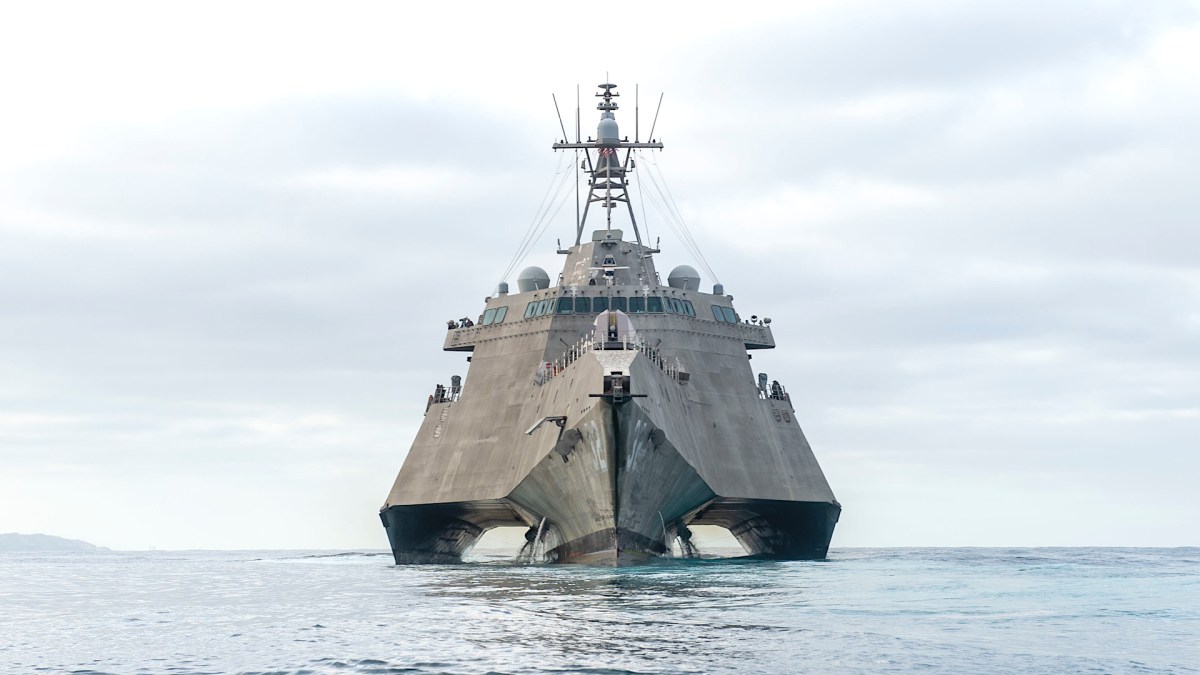
Pentagon की खान युद्ध enterprise वर्षों से strain में है। Avenger-class जहाज उम्र बढ़ रहे हैं, और उनका प्रतिस्थापन — खान युद्ध mission packages से लैस littoral combat ships और नए unmanned systems का एक संयोजन — योजना से धीमा रहा है। सीमित संख्या को देखते हुए उपलब्ध क्षमता को सबसे अधिक आवश्यकता वाले थिएटर में केंद्रित करना pragmatic प्राथमिकता को दर्शाता है।
Iran का जारी खान खतरा
पुनः स्थापन का मतलब यह नहीं है कि मध्य पूर्व में खान का खतरा गायब हो गया है। Iran की Islamic Revolutionary Guard Corps Navy के पास एक पर्याप्त खान inventory है और खान बिछाने के रूप में एक coercive tool का उपयोग करने की क्षमता और इच्छा दोनों प्रदर्शित की है। Gulf में समर्पित यू.एस. खान प्रतिरोधक उपस्थिति में किसी भी कमी की प्रतिक्रिया संभवतः allied क्षमताओं — विशेष रूप से Bahrain, Saudi Arabia, और UAE के — के साथ-साथ LCS जहाजों पर खान युद्ध mission packages की बढ़ी हुई निर्भरता में शामिल होगी।
वह निर्णय विकल्प कवरेज कितनी अच्छी साबित होती है यह परिस्थितियों पर निर्भर करता है जिन्हें अनुमान लगाना कठिन है। निर्णय सापेक्ष प्राथमिकताओं पर एक रणनीतिक दांव का प्रतिनिधित्व करता है, और सभी ऐसे दांवों की तरह, इसके wisdom को retrospectively judge किया जाएगा।
यह लेख twz.com की रिपोर्टिंग के आधार पर है। मूल लेख पढ़ें।
Originally published on twz.com