
वर्ष का सबसे बड़ा रक्षा प्रौद्योगिकी सौदा
U.S. Army ने Anduril Industries के साथ $20 बिलियन तक के मूल्य का एक एकल एंटरप्राइज अनुबंध घोषित किया है, जो हाल की स्मृति में सबसे महत्वपूर्ण रक्षा प्रौद्योगिकी खरीद कार्यों में से एक प्रतिनिधित्व करता है। यह अनुबंध 120 से अधिक अलग-अलग खरीद वाहनों को एक एकीकृत अनुबंध में समेकित करता है — एक संरचनात्मक निर्णय जो Pentagon के Anduril के पोर्टफोलियो में बढ़ते विश्वास और स्वायत्त और AI-सक्षम रक्षा प्रणालियों के लिए सरलीकृत अधिग्रहण ढांचे की ओर व्यापक बदलाव दोनों को दर्शाता है।
2017 में Oculus सह-संस्थापक Palmer Luckey द्वारा स्थापित, Anduril सीमा निगरानी उत्पाद के साथ एक स्टार्टअप से संयुक्त राज्य अमेरिका की सबसे महत्वपूर्ण रक्षा प्रौद्योगिकी कंपनियों में से एक में विकसित हुआ है। $20 बिलियन की सीमा — अनुबंध के तहत जारी किए जा सकने वाले कार्य आदेशों का अधिकतम मूल्य दर्शाती है, निर्धारित व्यय नहीं — स्वायत्त वायु प्रणालियों, कमांड और नियंत्रण सॉफ्टवेयर, और ISR प्लेटफार्मों में क्षमताओं की एक श्रृंखला को शामिल करती है।
अनुबंध में क्या है
एंटरप्राइज अनुबंध संरचना जानबूझकर लचीली है। विशिष्ट प्रणालियों की निश्चित मात्रा के लिए प्रतिबद्ध होने के बजाय, यह एक ढांचा स्थापित करता है जिसके तहत Army Anduril के उत्पाद पोर्टफोलियो में कार्य आदेश रख सकता है क्योंकि आवश्यकताएं उभरती हैं और परिपक्व होती हैं। यह AI-सक्षम और सॉफ्टवेयर-गहन रक्षा कार्यक्रमों के लिए एक तेजी से सामान्य दृष्टिकोण है, जहां क्षमता विकास पारंपरिक बहु-वर्षीय निश्चित-मात्रा अनुबंधों की तुलना में तेजी से विकसित होता है।
Army आवश्यकताओं के लिए प्रासंगिक Anduril के प्रमुख उत्पादों में Lattice कमांड और नियंत्रण प्लेटफॉर्म शामिल हैं — एक AI-संचालित सॉफ्टवेयर प्रणाली जो युद्ध क्षेत्र भर में स्वायत्त सेंसर और प्रभावकों को एकीकृत करती है — Ghost स्वायत्त वायु प्रणालियां, Roadrunner पुन: उपयोग योग्य जेट-संचालित लोइटरिंग मनिशन, और Pulsar counter-drone इलेक्ट्रॉनिक युद्ध प्रणाली। एंटरप्राइज अनुबंध Army की संचालन संबंधी और प्रायोगिक आवश्यकताओं के उत्पन्न होने और परिपक्व होने के साथ इस पोर्टफोलियो में अधिग्रहण का अधिकार प्रदान करता है।
रक्षा प्रौद्योगिकी चुनौतीकर्ता का उदय
एक दशक से भी कम समय में $20 बिलियन Army अनुबंध के लिए Anduril का उदय एक प्रक्षेपवक्र का प्रतिनिधित्व करता है जो Boeing, Lockheed Martin, Raytheon, और Northrop Grumman द्वारा पारंपरिक रूप से प्रभुत्व रखने वाले एक उद्योग में असंभव लगता था। कंपनी का दृष्टिकोण — तीव्र पुनरावृत्ति, सॉफ्टवेयर-प्रथम आर्किटेक्चर, और अनुकूल उत्पादन शर्तों के बदले में विकास लागत को अवशोषित करने की इच्छा पर निर्मित — Pentagon के उन हिस्सों के साथ अनुरणित होता है जो पारंपरिक रक्षा अधिग्रहण में लागत अधिकता और शेड्यूल विलंब से निराश हैं।
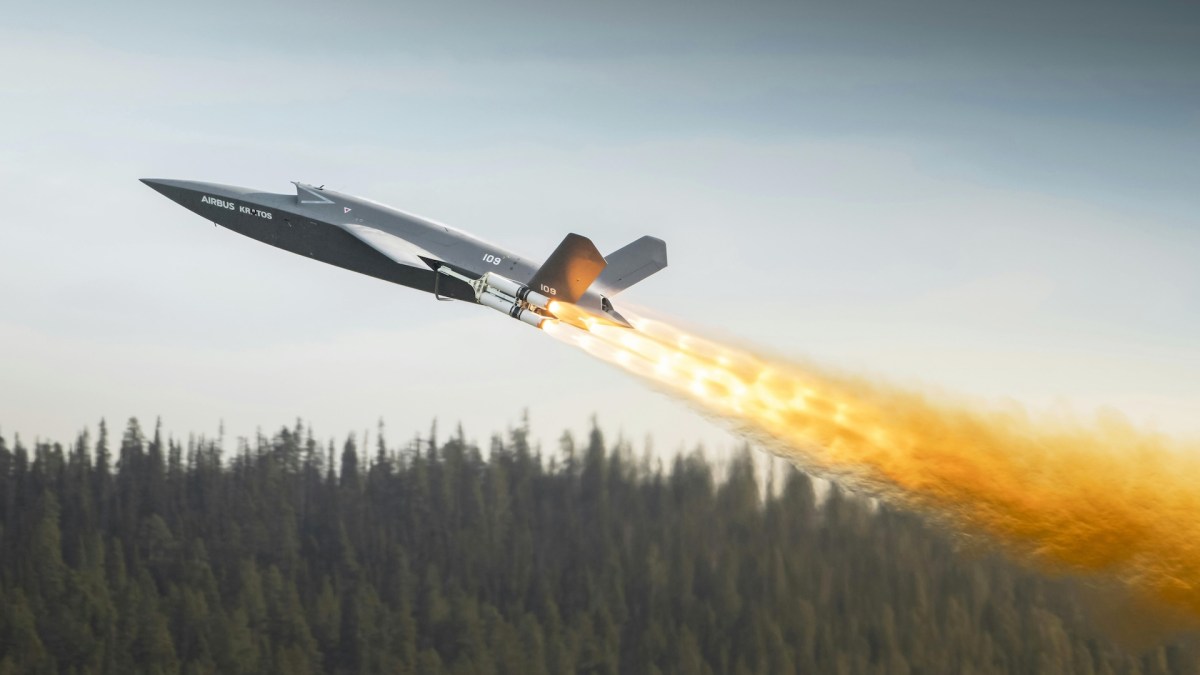
कंपनी को 2024 में एक महत्वपूर्ण वृद्धि मिली जब इसे General Atomics के साथ Army के Collaborative Combat Aircraft कार्यक्रम के एक हिस्से को पुरस्कार दिया गया, एक प्रतिस्पर्धा में Boeing और Northrop Grumman को हराकर जो एक दशक पहले एक स्टार्टअप के लिए अकल्पनीय था। उस सफलता ने उच्च-प्रोफाइल, तकनीकी रूप से मांग वाले कार्यक्रमों के लिए प्रतिस्पर्धा करने की Anduril की क्षमता को प्रमाणित किया — और Army की व्यापक सहभागिता की भूख को तेज करने के लिए दिखाई देता है।
रणनीतिक निहितार्थ
Army के बल आधुनिकीकरण प्रयास के लिए, Anduril एंटरप्राइज अनुबंध मानव सैनिकों के पूरक और शक्ति गुणक के रूप में स्वायत्त प्रणालियों के लिए एक त्वरित दांव का प्रतिनिधित्व करता है। इस निवेश को चलाने वाली संचालन की अवधारणा में reconnaissance के लिए स्वायत्त वायु प्रणाली, सतत निगरानी के लिए जमीनी सेंसर नेटवर्क, और AI-संचालित एकीकरण शामिल है जो मानव कमांडरों को विवादित वातावरण में तेजी से और बेहतर सूचित निर्णय लेने में मदद करता है।
$20 बिलियन की सीमा बड़ी है लेकिन संदर्भ में समझी जानी चाहिए: यह Anduril के पोर्टफोलियो की पूरी चौड़ाई में एक दशक या उससे अधिक की संभावित खरीद गतिविधि का प्रतिनिधित्व करता है, तत्काल व्यय प्रतिबद्धता नहीं। कि सीमा तक पहुंचा जाएगा या नहीं, यह निर्भर करता है कि Anduril की प्रणालियां परीक्षण और प्रारंभिक परिनियोजन में कैसे काम करती हैं, वैकल्पिक समाधान कितने प्रतिस्पर्धी दिखाई देते हैं, और अनुबंध अवधि में Army की प्राथमिकताएं और बजट कैसे विकसित होते हैं।
कार्यबल और उद्योग निहितार्थ
इस पैमाने के अनुबंध का एक कंपनी के लिए कार्यबल निहितार्थ है जो तीव्र वृद्धि के बावजूद, किसी भी पारंपरिक प्रधान ठेकेदार से छोटी रहती है। Anduril अभियांत्रिकी, कार्यक्रम प्रबंधन, और विनिर्माण कार्यों में आक्रामक रूप से भर्ती कर रहा है — एक भर्ती गति जिसे कंपनी के नेतृत्व ने स्पष्ट रूप से अपने विस्तारित सरकारी पोर्टफोलियो से जोड़ा है। एंटरप्राइज अनुबंध राजस्व दृश्यता प्रदान करता है जो उन भर्ती निर्णयों को आत्मविश्वास के साथ आगे बढ़ने देती है।
पारंपरिक प्रधान ठेकेदारों के लिए, Anduril की जारी वृद्धि प्रतिस्पर्धी खतरे और बाजार संकेत दोनों का प्रतिनिधित्व करती है। Pentagon तेजी से प्रमुख खरीद को सॉफ्टवेयर-गहन, तेजी से पुनरावृत्ति आपूर्तिकर्ताओं के अनुकूल तरीकों में संरचित कर रहा है — एक संरचनात्मक बदलाव जो उन कंपनियों को नुकसान पहुंचाता है जिनके प्रतिस्पर्धी लाभ स्थापित हार्डवेयर उत्पादन में केंद्रित हैं, सॉफ्टवेयर विकास पर।
यह लेख TechCrunch द्वारा रिपोर्टिंग पर आधारित है। मूल लेख पढ़ें.
Originally published on techcrunch.com