Ukraine ceasefire enforcement एक manpower problem से टकरा रही है
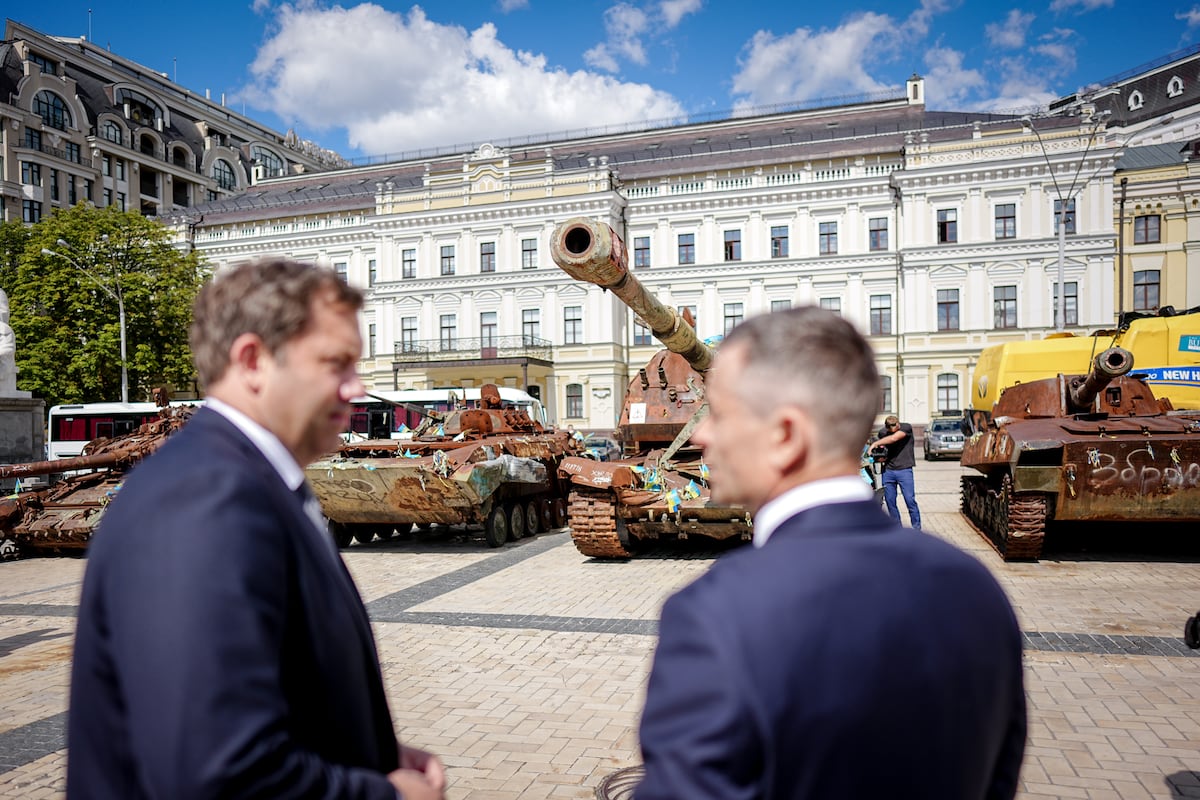
Ukraine में किसी भविष्य की peace deal की योजना अब एक सरल सैन्य वास्तविकता से अधिकाधिक सीमित हो रही है: ceasefire की निगरानी या उसे सुरक्षित करने में मदद के लिए आवश्यक forces, अनुकूल परिस्थितियों में भी, बहुत बड़ी होंगी, और इस समय United States अपना पर्याप्त personnel, equipment, और attention Middle East की ओर लगा रहा है। Iran के साथ युद्ध के फैलने के साथ Pentagon ने क्षेत्र में दशकों की संख्या में service members भेज दिए हैं, जिससे Kyiv में इस बारे में संदेह और तेज़ हो गया है कि युद्ध के बाद Ukraine की security के लिए Washington कितना योगदान दे सकता है।
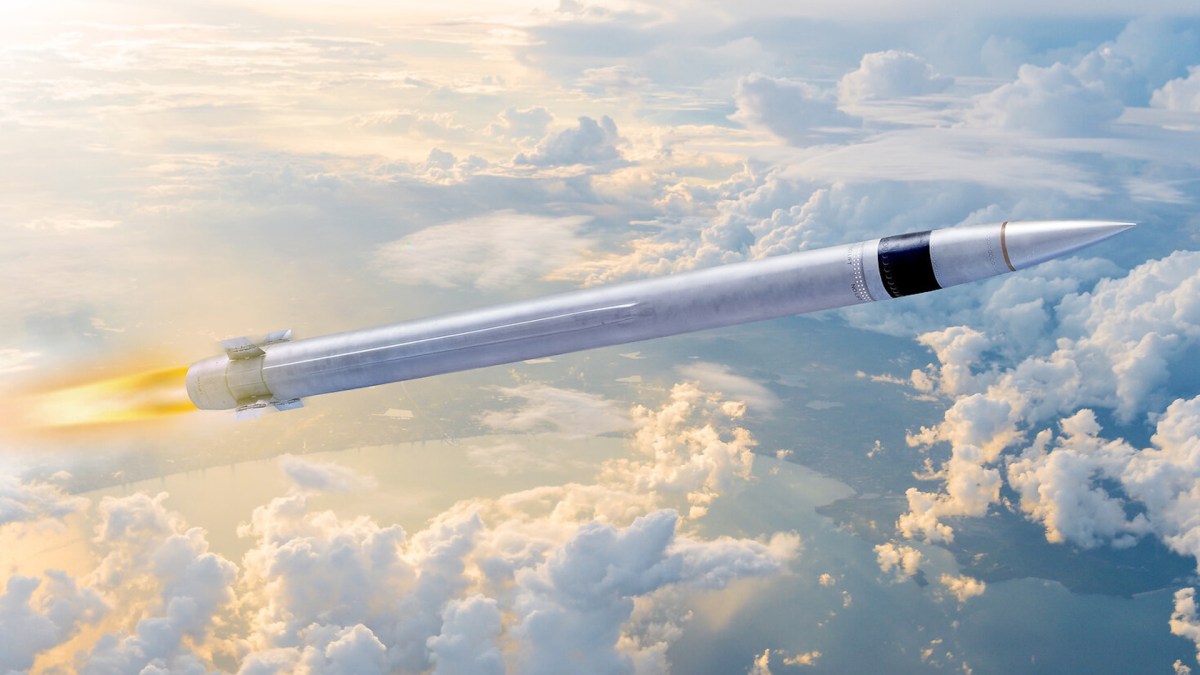
समस्या केवल राजनीतिक bandwidth की नहीं है। यह उन विशिष्ट capabilities की उपलब्धता की भी है जो किसी peace arrangement को विश्वसनीय बनाती हैं। Defense News के अनुसार, नए conflict ने Patriot interceptor batteries सहित key weaponry के U.S. stockpiles को काफी हद तक उपयोग में ला दिया है। ये systems लंबे समय से United States, NATO allies, और Ukraine जैसे partners की airspace protection के लिए केंद्रीय रहे हैं। यदि वे inventories कहीं और से घट रही हैं, तो Ukraine के लिए मजबूत American-backed security architecture की संभावना और कम हो जाती है।
Monitoring force से Ukraine को क्या चाहिए होगा
यहाँ तक कि multinational presence के कम आकलन भी बड़े हैं। रिपोर्ट में उद्धृत Center for Strategic and International Studies के एक assessment के अनुसार, Ukraine को एक minimal “tripwire” mission के लिए कम से कम 10,000 से 25,000 troops की आवश्यकता होगी, जबकि एक वास्तविक defense-in-depth posture के लिए 100,000 से अधिक personnel के साथ-साथ 100 से अधिक national brigades की ज़रूरत पड़ सकती है। ये आँकड़े दिखाते हैं कि बहस symbolic reassurance से कितनी दूर है। इस तरह की force को इतना personnel चाहिए होगा कि वह observe कर सके, violations को deter कर सके, और एक सक्रिय और बेहद लंबे front पर presence बनाए रख सके।
कच्चा headline figure चुनौती को और भी कम करके दिखाता है। Royal United Services Institute के senior research fellow Ed Arnold ने बताया कि force-generation math के कारण किसी भी समय nominal troop numbers का केवल एक हिस्सा ही वास्तव में line पर उपलब्ध होता है। Rotations, recovery periods, और preparation cycles का मतलब आमतौर पर यह होता है कि किसी state को deployed number से कहीं बड़ा pool चाहिए। उनके उदाहरण में, theater में 25,000 troops उपलब्ध कराने के लिए कुल force structure में 75,000 की आवश्यकता हो सकती है।
यह इसलिए महत्वपूर्ण है क्योंकि किसी भी multinational deployment का मूल्यांकन कागज़ पर सरकारों के वादों से नहीं, बल्कि इस बात से होगा कि उन्हें अन्य commitments को खोखला किए बिना समय के साथ कितना sustain किया जा सकता है। इस पैमाने पर, चर्चा में शामिल coalition पहले से ही पतली दिखती है।
यूरोपीय commitments, front के पैमाने की तुलना में सीमित हैं
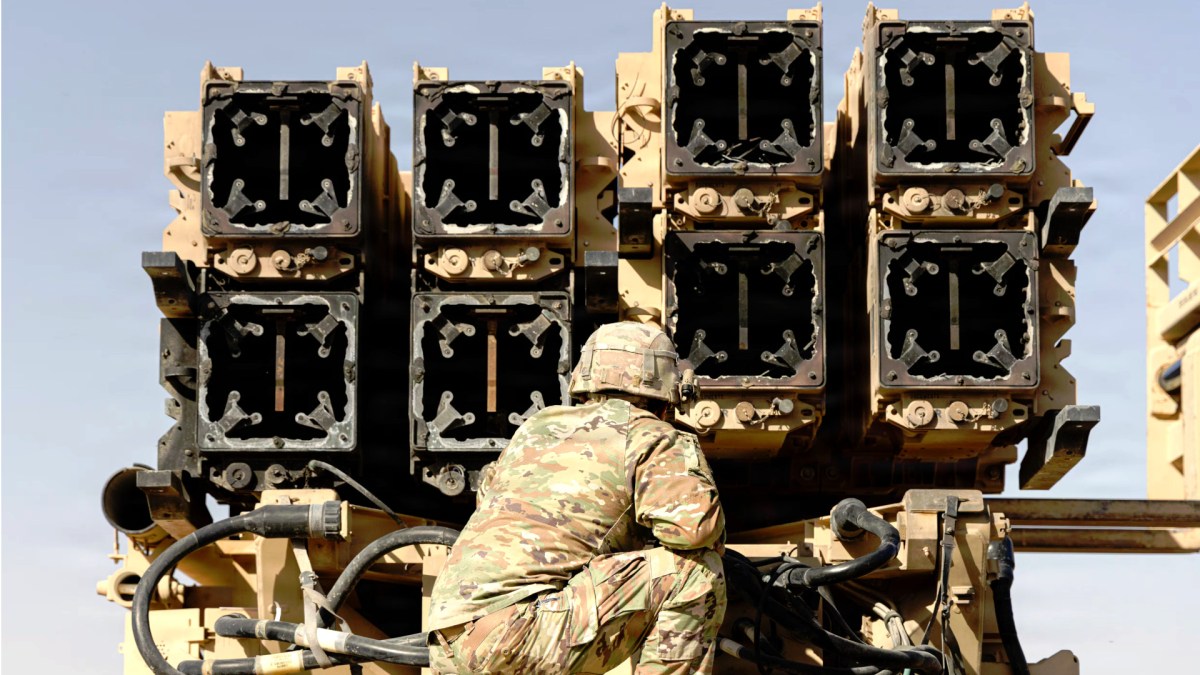
रिपोर्ट में ब्रिटेन और France को नवजात “Coalition of the Willing” के co-leads के रूप में वर्णित किया गया है, और उन्होंने कहा है कि यदि peace deal और ceasefire लागू होते हैं तो वे मिलकर लगभग 10,000 troops भेजने के लिए तैयार हैं। जनवरी 6 को Paris में हस्ताक्षरित declaration of intent के तहत, इसका मतलब होगा कि दोनों देशों से लगभग 5,000-5,000 troops, यानी एक-एक brigade।
लेकिन force-generation realities को ध्यान में रखने पर, Ukraine में किसी भी समय physically मौजूद foreign troops की संख्या कहीं कम होगी। Defense News के अनुसार, यह संख्या 3,000 से थोड़ा अधिक personnel तक सीमित हो सकती है, जिन्हें 1,200 kilometers से अधिक सक्रिय front line की निगरानी में मदद करनी होगी। यह अनुपात mission और means के बीच मूल असंतुलन की ओर इशारा करता है। इतनी पतली फैली हुई force राजनीतिक संकेत तो दे सकती है, लेकिन इतनी व्यापक पट्टी पर observe करने, प्रतिक्रिया देने, या deterrence करने की इसकी व्यावहारिक क्षमता सीमित होगी।
पिछले अंतरराष्ट्रीय deployments के साथ तुलना इस अंतर को और स्पष्ट करती है। रिपोर्ट नोट करती है कि हाल के दशकों में ऐसे समान missions आम तौर पर इससे कई गुना बड़े रहे हैं। इसका मतलब यह नहीं कि हर पुराने model को Ukraine पर लागू किया जा सकता है, बल्कि यह कि ऐतिहासिक benchmarks current troop discussion को theater के आकार और खतरे की तुलना में छोटा दिखाते हैं।
Washington की भूमिका कम निश्चित हो गई है
Kyiv के लिए समस्या तब और बढ़ जाती है जब President Donald Trump के office में लौटने के बाद U.S. posture बदल गया है। Defense News के अनुसार, administration leaders ने Ukrainian counterparts को दूरी पर रखा है और इस earlier idea से हट गए हैं कि Washington किसी eventual peacekeeping effort का नेतृत्व करेगा। साथ ही, Kyiv और Moscow के बीच U.S.-brokered peace talks में प्रगति 28 फरवरी को Middle East conflict के तेज़ होने के बाद से largely रुकी हुई है।
यह timing महत्वपूर्ण है क्योंकि बातचीत को उतनी ही sustained diplomatic effort की ज़रूरत होती है जितनी military planning की। यदि Washington Iran में एक elusive victory को प्राथमिकता दे रहा है, जबकि कई operational theaters को संभाल रहा है, तो Ukraine कई urgent files में से केवल एक बन जाता है, वह केंद्रीय organizing priority नहीं रह जाता जो कभी दिखाई देती थी। European planners के लिए, यह असहज सवाल खड़ा करता है कि क्या उन्हें mission का अधिक हिस्सा स्वयं उठाना होगा और क्या उनके पास ऐसा करने की क्षमता है।
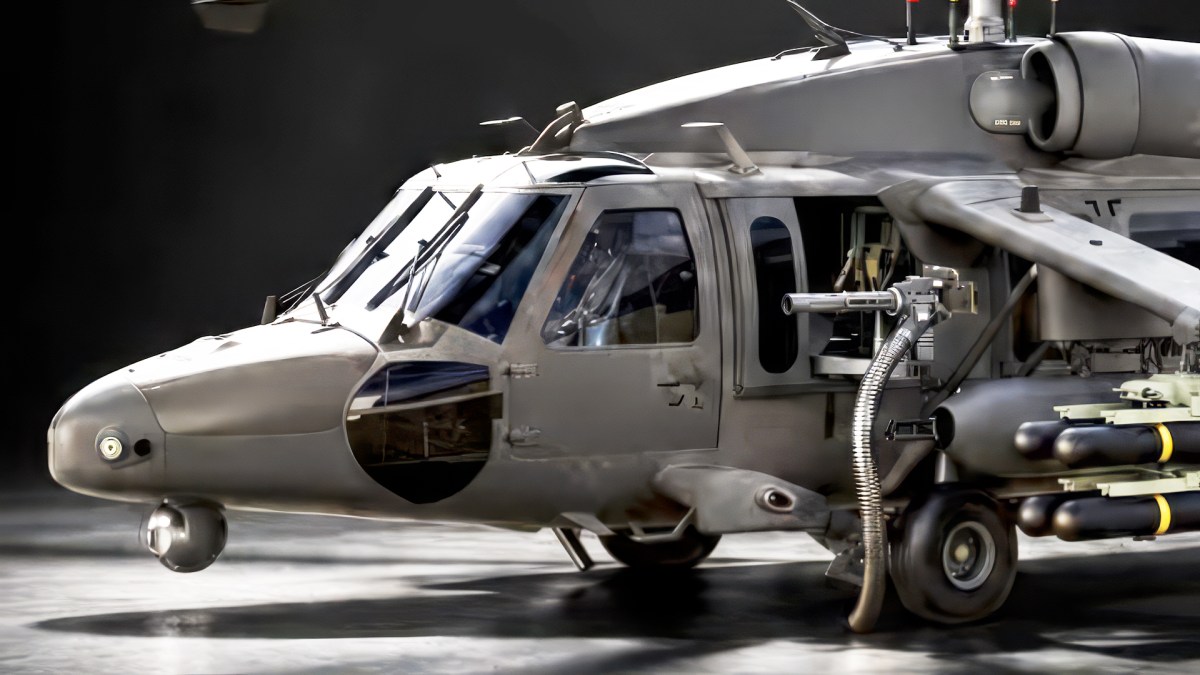
अनिश्चितता खास तौर पर तीखी है क्योंकि United States के पास ऐसी capabilities हैं जिन्हें allies जल्दी replace नहीं कर सकते। Air and missile defense, logistical lift, intelligence support, और command-and-control functions—all multinational mission को विश्वसनीय बनाने में भूमिका निभाते हैं। यदि Washington ये enablers देने को तैयार या सक्षम नहीं है, तो coalition की संख्या समस्या का केवल एक हिस्सा रह जाती है।
Symbolic force पर्याप्त नहीं हो सकती
उभरती तस्वीर एक ऐसे peacekeeping concept की है जो राजनीतिक रूप से आकर्षक तो है, लेकिन operationally underbuilt है। यदि ceasefire हासिल होता है, तो Ukraine अंततः multinational presence का कोई रूप पा सकता है, लेकिन मौजूदा commitments न्यूनतम deterrent posture की भी ज़रूरत से काफी कम हैं। Missile-defense stocks का घटना, U.S. troops का Middle East की ओर diversion, और negotiations का धीमा पड़ना, सभी एक ही दिशा में इशारा करते हैं: ये एक सार्थक enforcement mission को बनाना कठिन बनाते हैं।
यह एक छोटी “tripwire” deployment की संभावना को समाप्त नहीं करता, जिसका उद्देश्य अंतरराष्ट्रीय समर्थन का संकेत देना हो। लेकिन tripwire तभी काम करता है जब सभी पक्ष मानते हों कि उस पर हमला एक बड़े response को trigger करेगा। जैसे-जैसे U.S. participation अधिक अनिश्चित होती जाएगी, यह logic उतनी ही fragile दिखाई देगी।
फिलहाल, troop math केवल एक abstract planning exercise नहीं है। यह इस बात का माप बनती जा रही है कि future Ukraine settlement वास्तव में कितनी security दे सकता है। चर्चा में आए आँकड़े संकेत देते हैं कि यदि commitments पर्याप्त रूप से नहीं बढ़ते, तो कोई भी foreign force ज़मीन पर peace की गारंटी देने की बजाय political intent दिखाने में अधिक सक्षम हो सकती है।
This article is based on reporting by Defense News. Read the original article.
Originally published on defensenews.com