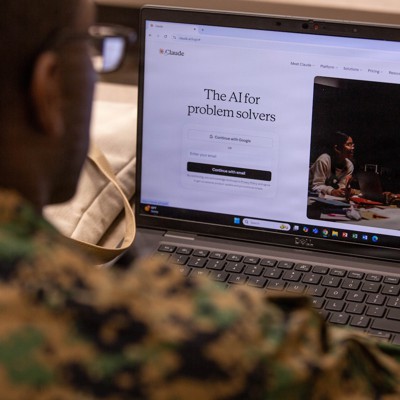
रक्षा AI कंपनियों की एक नई लहर
कृत्रिम बुद्धिमत्ता और सैन्य क्षमता के चौराहे ने ऐतिहासिक रूप से दो श्रेणियों की कंपनियां बनाई हैं: बड़ी रक्षा प्राइम जो मौजूदा सिस्टम में AI विशेषताएं जोड़ते हैं, और वाणिज्यिक तकनीक कंपनियां जो सैन्य ग्राहकों को दोहरे-उपयोग उपकरण लाइसेंस करती हैं। एक तीसरी श्रेणी अब बढ़ती प्रमुखता के साथ उभर रही है - स्टार्टअप जो अपनी नींव से सैन्य अनुप्रयोगों के लिए विशेष रूप से डिजाइन किए गए AI सिस्टम बना रहे हैं, जिसमें आर्किटेक्चर, प्रशिक्षण डेटा और संचालन प्रोफाइल हैं जो वाणिज्यिक बाजार न तो चाहता है और न ही सहन करता है।
Defense One की इस स्टार्टअप इकोसिस्टम की जांच कंपनियों के एक समूह को प्रकट करती है जिन्होंने निष्कर्ष निकाला है कि सेना की AI जरूरतें वाणिज्यिक अनुप्रयोगों से काफी अलग हैं जो वर्तमान वाणिज्यिक तकनीक के अनुकूलन के बजाय विशेष रूप से निर्मित समाधान को न्यायसंगत ठहराते हैं। ये कंपनियां जो तर्क देती हैं वह यह है कि चरम विश्वसनीयता आवश्यकताएं, वर्गीकृत डेटा वातावरण, प्रतिकूल परिस्थितियां और सैन्य कार्यों के अद्वितीय निर्णय लेने का संदर्भ ऐसे AI सिस्टम की आवश्यकता है जो बाद की सोच के रूप में नहीं बल्कि पहले सिद्धांत के रूप में उन आवश्यकताओं के साथ डिजाइन किए गए हों।
इस समूह के उदय का समय कारणों के एक अभिसरण को प्रतिबिंबित करता है: जटिल डोमेन में बड़े AI मॉडल की प्रदर्शित क्षमता, आधुनिक युद्ध में सूचना प्रसंस्करण और निर्णय समर्थन की बढ़ती केंद्रीयता, रक्षा प्रौद्योगिकी की ओर प्रवाहित उद्यम पूंजी की उपलब्धता, और एक नियामक और खरीद वातावरण जो 2020 के दशक की शुरुआत में शुरू की गई रक्षा नवाचार पहलों से फल देने के बाद से गैर-पारंपरिक रक्षा ठेकेदारों के लिए अधिक ग्रहणशील बन गया है।
सैन्य AI क्यों अलग है
सैन्य प्रसंग में AI सिस्टम पर लगाई गई मांगें वाणिज्यिक अनुप्रयोगों से इस तरह भिन्न हैं जो वृद्धिशील से अधिक है। वाणिज्यिक AI की विफलताएं ग्राहक शिकायतों, ब्रांड नुकसान और राजस्व हानि में मापी जाती हैं। सैन्य AI विफलताएं जीवन खर्च कर सकती हैं, मिशन को समझौता कर सकती हैं, या सबसे खराब स्थितियों में सहयोगियों या प्रतिद्वंद्वियों के साथ रणनीतिक संकट पैदा कर सकती हैं। परिणामों की यह असमानता विश्वसनीयता, सत्यापन और संचालन सुरक्षा के लिए विभिन्न दृष्टिकोण की आवश्यकता है जो वाणिज्यिक तैनाती के मानदंड मानते हैं।
डेटा एक विशेष रूप से महत्वपूर्ण अंतर है। सैन्य AI के लिए सबसे मूल्यवान प्रशिक्षण डेटा - संचार अवरोध, निगरानी चित्र, परिचालन लॉग, खतरा डेटाबेस - वर्गीकृत है और वाणिज्यिक मॉडल को प्रशिक्षित करने के लिए उपयोग नहीं किया जा सकता। सैन्य-विशिष्ट AI बनाने वाली कंपनियों को अपने स्वयं की वर्गीकृत प्रशिक्षण पाइपलाइन बनानी चाहिए, सरकारी डेटा वातावरण के भीतर काम करना चाहिए, या ऐसी आर्किटेक्चर विकसित करनी चाहिए जो असंगठित डेटा पर प्रभावी ढंग से प्रशिक्षित हो सकती है और वर्गीकृत डेटा पर सूक्ष्म-ट्यून की जा सकती है बिना सुरक्षा सीमाओं को समझौता किए जो निरीक्षण निकाय निषेध करेगा।
प्रतिकूल मजबूती आवश्यकताएं भी अलग हैं। वाणिज्यिक AI को आम तौर पर इनपुट के वितरण के खिलाफ मूल्यांकन किया जाता है जो वास्तविक उपयोगकर्ता उत्पन्न करते हैं। सैन्य AI को ऐसे प्रतिद्वंद्वियों के खिलाफ मजबूत होना चाहिए जो सक्रिय रूप से शोषण की तलाश करेंगे, सेंसर और डेटा फ़ीड को धोखा देने का प्रयास करेंगे जो मॉडल इनपुट प्रदान करते हैं, और AI सिस्टम को समझने और उन्हें हराने के लिए संसाधनों में निवेश करेंगे जो उनके कार्यों को धमकाते हैं। यह एक मौलिक रूप से अलग मूल्यांकन और लाल-टीम आवश्यकता बनाता है जो वाणिज्यिक AI सुरक्षा परीक्षण पर्याप्त रूप से संबोधित नहीं करता है।
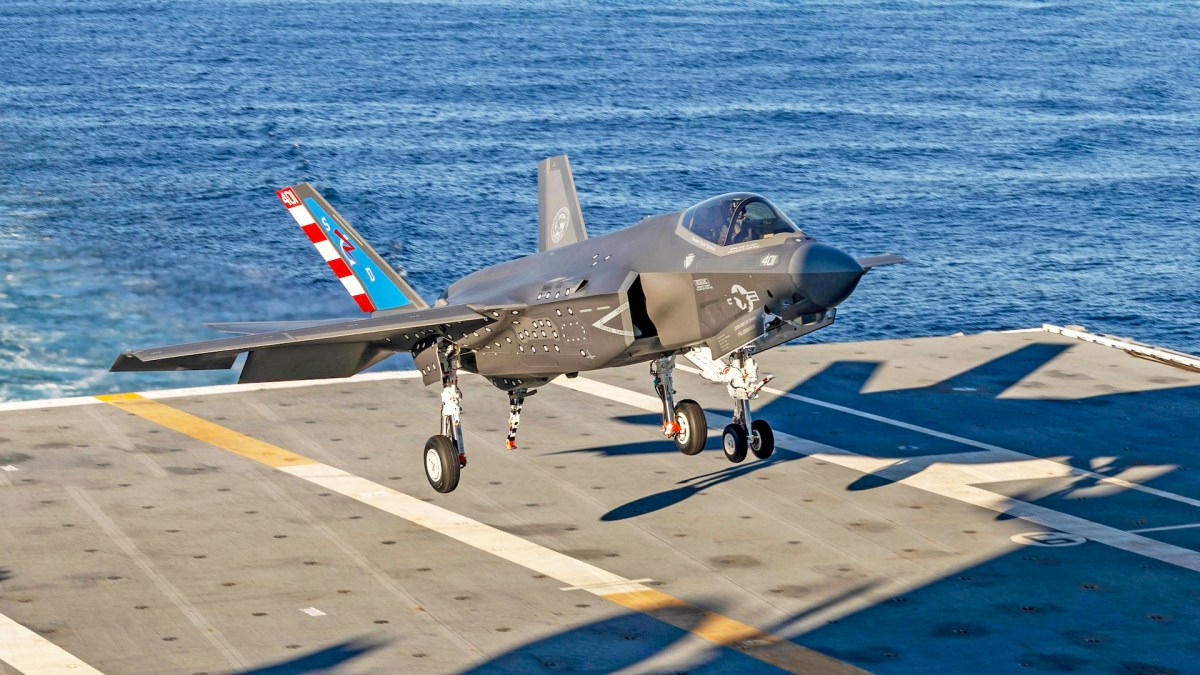
मुख्य स्टार्टअप्स और उनके दृष्टिकोण
उभरते परिदृश्य में सैन्य AI स्टैक के विभिन्न स्तरों पर ध्यान केंद्रित करने वाली कंपनियां शामिल हैं। कुछ बुद्धিमत्ता विश्लेषण प्लेटफॉर्म बना रहे हैं जो विश्लेषकों को कार्यकारी बुद्धिमत्ता आकलन तेजी से उत्पन्न करने के लिए चित्रों, संकेतों और खुले-स्रोत डेटा की विशाल मात्रा को संसाधित और संश्लेषित करने में मदद करते हैं जो मानव विश्लेषकों को अकेले प्राप्त कर सकते हैं। अन्य परिचालन योजना के लिए निर्णय समर्थन प्रणाली विकसित कर रहे हैं - ऐसे उपकरण जो कमांडरों को कार्यों के पाठ्यक्रमों को मॉडल करने, रसद बाधाओं का मूल्यांकन करने और प्रतिद्वंद्वी प्रतিक्रियाओं की प्रत्याशा करने में मदद करते हैं।
विशेष रूप से सक्रिय क्षेत्र स्वायत्त प्रणालियों के समन्वय है - AI प्लेटफॉर्म जो मानव रहित हवाई वाहन, जमीन रोबोट या समुद्री स्वायत्त वाहनों के झुंडों का प्रबंधन करते हैं, छोटी टीमों को विरोधी वातावरण में बड़ी संख्या में सिस्टम को नियंत्रित करने में सक्षम करते हैं जहां संचार कम या अस्वीकृत हो सकता है। ये समन्वय प्रणाली आंशिक जानकारी, संचार व्यवधान और प्रतिकूल इलेक्ट्रॉनिक युद्ध के लिए मजबूत AI की आवश्यकता है, ऐसी परिस्थितियां जिनका कोई वाणिज्यिक समकक्ष नहीं है।
लॉजिस्टिक और आपूर्ति श्रृंखला अनुकूलन एक अन्य प्राथमिकता डोमेन प्रस्तुत करता है। सैन्य रसद असाधारण रूप से जटिल है, कर्मियों, उपकरण, गोला-बारूद, ईंधन और रखरखाव के पुर्जों की गति को वैश्विक नेटवर्क में प्रबंधित करता है शांतिकालीन गैरीसन संचालन से सक्रिय संघर्ष तक की परिस्थितियों में। AI सिस्टम जो इन प्रवाहों को अनुकूलित कर सकते हैं, घाटियों का पूर्वानुमान लगा सकते हैं और व्यवधानों के अनुकूल हो सकते हैं, में सैन्य ग्राहकों द्वारा गति से बढ़ते प्रबंधन तंत्र के साथ भुगतान करने की इच्छा के साथ पर्याप्त मूल्य है।
Pentagon की AI खरीद विकास
रक्षा विभाग ने पिछले कुछ वर्षों में अपने AI खरीद दृष्टिकोण में काफी विकास किया है, कस्टम प्रोग्राम-ऑफ-रिकॉर्ड दृष्टिकोण से सॉफ्टवेयर-गहन AI क्षमताओं के लिए अधिक चुस्त खरीद तंत्र की ओर जो पारंपरिक रक्षा खरीद चक्रों की तुलना में तेजी से पुनरावृत्ति करते हैं। मुख्य डिजिटल और AI कार्यालय रक्षा AI कार्य के लिए गैर-पारंपरिक विक्रेताओं को प्रभावी ढंग से प्रतिस्पर्धा करने की अनुमति देने वाली अनुबंध वाहनों और मानकों को विकसित करने में एक केंद्रीय भूमिका निभाता है।
संयुक्त युद्धक्षेत्र क्लाउड क्षमता, वर्गीकृत क्लाउड कंप्यूटिंग वातावरण की बढ़ती उपलब्धता के साथ मिलकर, वर्गीकृत सेटिंग में काम करने वाले स्टार्टअप के लिए बुनियादी ढांचा बाधा को कम किया है। कंपनियों को अब सैन्य AI को विकसित और तैनात करने के लिए अपने स्वयं की वर्गीकृत कंप्यूटिंग वातावरण बनाने की आवश्यकता नहीं है - वे सरकारी क्लाउड बुनियादी ढांचे का लाभ उठा सकते हैं जो आवश्यक सुरक्षा नियंत्रण प्रदान करते हैं जबकि आधुनिक सॉफ्टवेयर विकास प्रथाओं को सक्षम करते हैं।
रक्षा AI में उद्यम पूंजी प्रवाह काफी बढ़ गया है, आंशिक रूप से Russia के Ukraine आक्रमण के बाद रक्षा निवेश के प्रति सामाजिक दृष्टिकोण में बदलाव और राष्ट्रीय सुरक्षा मिशन के प्रति प्रौद्योगिकी उद्योग के दृष्टिकोण के पुनरीक्षण से संचालित। जिन निवेशकों ने पहले नीति या वाणिज्यिक वरीयता से रक्षा प्रौद्योगिकी से बचा था, उन्होंने पुनर्विचार किया है, और विशेषीकृत रक्षा-केंद्रित उद्यम निधि केवल पूंजी के बजाय रक्षा बाजार नेविगेशन में परिचालन विशेषज्ञता प्रदान करने के लिए उभरी है।
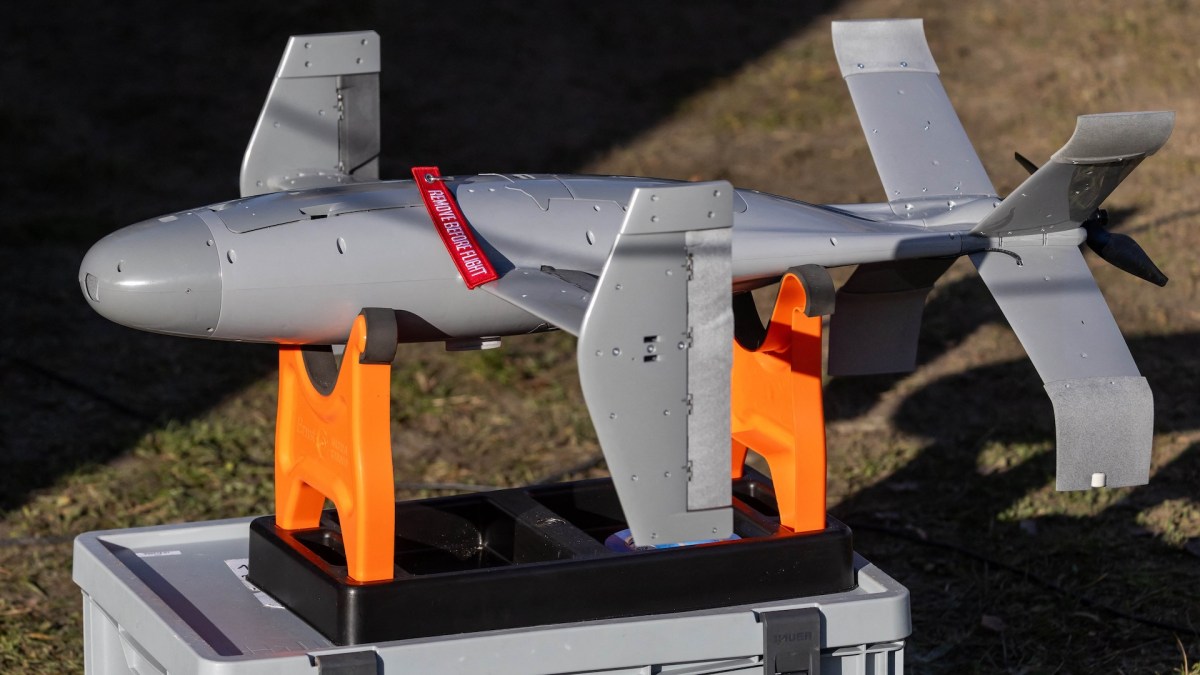
नैतिक आयाम और अंतर्राष्ट्रीय प्रतिस्पर्धा
सैन्य-विशिष्ट AI नैतिक प्रश्न उठाता है जो वाणिज्यिक AI प्रवचन, मुख्य रूप से पूर्वाग्रह, गोपनीयता और श्रम विस्थापन पर केंद्रित, पूरी तरह से संबोधित नहीं करता है। घातक निर्णय लेने में AI की उपयुक्त भूमिका - क्या और किन परिस्थितियों में स्वायत्त प्रणालियों को मानव अनुमोदन के बिना लक्ष्यों को शामिल करने की अनुमति दी जानी चाहिए - अमेरिका के भीतर सक्रिय नीति बहस है और अंतर्राष्ट्रीय मंचों में जहां बाध्यकारी नियम अभी तक उत्पन्न नहीं हुए हैं।
इस बीच, प्रतिद्वंद्वी राष्ट्र नैतिक विचार के बिना सैन्य AI में भारी निवेश कर रहे हैं जो अमेरিकी और सहयोगी बहसों की विशेषता है। China की सैन्य AI प्रोग्राम पर्याप्त हैं और कथित तौर पर मानव-इन-द-लूप आवश्यकताओं से कम प्रतिबंधित हैं जो वर्तमान अमेरिकी नीति घातक स्वायत्त हथियारों के लिए अनिवार्य है। यह असमानता तेजी से आगे बढ़ने के लिए प्रतिस्पर्धात्मक दबाव बनाती है जिसे रक्षा अधिकारी स्पष्ट रूप से स्वीकार करते हैं यहां तक कि जिम्मेदार AI विकास के लिए प्रतिबद्धता बनाए रखते हैं।
सैन्य-विशिष्ट AI बनाने वाले स्टार्टअप इन दबावों के चौराहे पर काम कर रहे हैं - निकट-अवधि की प्रतिस्पर्धा में प्रासंगिक रहने के लिए काफी तेजी से सक्षम सिस्टम विकसित करने की आवश्यकता है जबकि सुरक्षा, व्याख्यात्मकता और मानव पर्यवेक्षण सुविधाएं बना रहे हैं जो जिम्मेदार तैनाती के लिए आवश्यक हैं। वे इस तनाव को कैसे नेविगेट करते हैं और उनके सरकारी ग्राहक इसका मूल्यांकन करते हैं वह आने वाले वर्षों के लिए AI-सक्षम युद्ध के प्रक्षेपवक्र को आकार देगा।
यह लेख Defense One की रिपोर्टिंग पर आधारित है। मूल लेख पढ़ें।
Originally published on defenseone.com