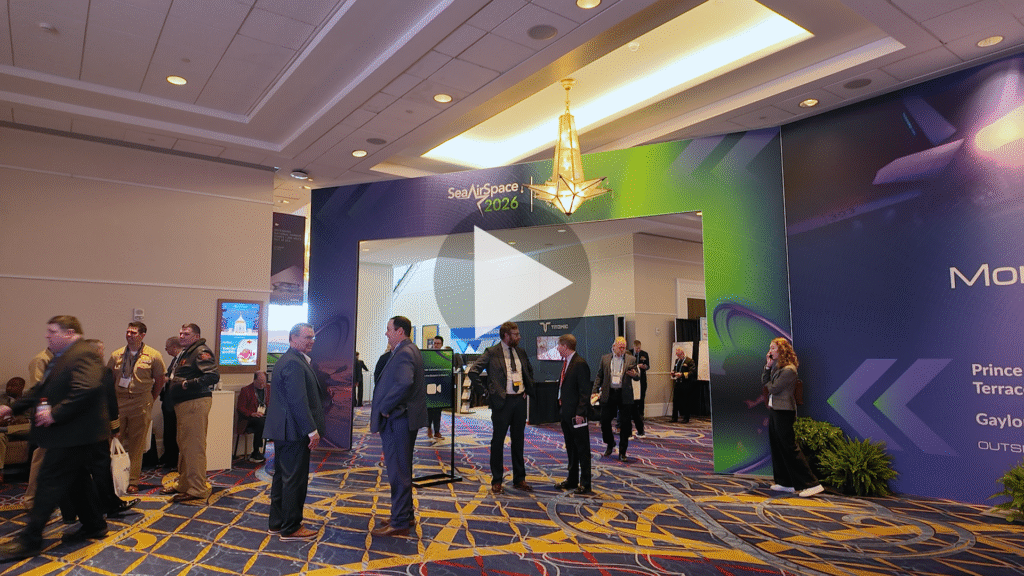
नौसेना की प्राथमिकताओं और तनावों का एक सम्मेलन-स्नैपशॉट
मैरीलैंड के National Harbor में आयोजित Navy League के Sea Air Space सम्मेलन का दूसरा दिन अमेरिकी नौसैनिक योजना को आकार देने वाले प्रतिस्पर्धी दबावों पर एक केंद्रित नज़रिया देता है। Breaking Defense के सारांश के आधार पर, चर्चा तीन विषयों के इर्द-गिर्द घूमी: Trump-class battleship से जुड़ी नई जानकारियाँ, पनडुब्बी देरी को लेकर बनी चिंता, और सम्मेलन के तीसरे दिन होने वाले एक बड़े keynote को लेकर उत्सुकता। संक्षिप्त वीडियो सारांश के सीमित प्रारूप में भी ये विषय एक रणनीतिक तनाव को रेखांकित करते हैं: नौसेना आधुनिकीकरण, घातक क्षमता बढ़ाने और autonomy को एकीकृत करने की कोशिश कर रही है, जबकि पारंपरिक जहाज़ निर्माण की औद्योगिक और समय-सारणी संबंधी वास्तविकताओं से जूझ रही है।
यह तनाव प्रदर्शनी फ़्लोर पर भी दिखा। रिपोर्ट से जुड़ी फोटो गैलरी में पारंपरिक और उभरती प्रणालियों का एक उल्लेखनीय मिश्रण दिखा, जिसमें Columbia-class और Virginia-class पनडुब्बी मॉडल, autonomous surface vessels, unmanned rotorcraft, AI-piloted aircraft concepts, cruise missiles, maritime munitions, robotic welding systems, और नए uncrewed surface और undersea platforms शामिल थे। परिणामस्वरूप सम्मेलन का माहौल पुराने नौसैनिक प्रश्नों और autonomy, manufacturing, तथा distributed force design से जुड़े नए प्रश्नों का मिश्रण बन गया।
Trump-class battleship पर चर्चा
सारांश में सबसे ध्यान खींचने वाली बात Trump-class battleship के बारे में नई जानकारियों का उल्लेख थी। संबंधित रिपोर्टिंग नोट के अनुसार, नौसेना को उम्मीद है कि इस श्रेणी के पहले जहाज़ का निर्माण fiscal year 2028 में शुरू होगा। भले ही उपलब्ध पाठ में तकनीकी विवरण बहुत कम हों, विषय की सिर्फ़ प्रमुखता ही बहुत कुछ बताती है। Battleship कार्यक्रम प्रतीकात्मक और बजटीय दोनों प्रकार का भार रखते हैं। वे बेड़े की संरचना, अग्निशक्ति, survivability और अवसर लागत पर सवाल उठाते हैं।
ऐसे समय में जब नौसैनिक युद्ध missiles, uncrewed systems, और increasingly contested maritime environments से बदला जा रहा है, किसी भी बड़े surface combatant कार्यक्रम पर लागत और रणनीतिक उपयुक्तता को लेकर जांच-पड़ताल होना स्वाभाविक है। दिन-दो के सारांश में “battleship costs” को अलग से रेखांकित किया जाना बताता है कि affordability और procurement logic पहले से ही केंद्रीय मुद्दे हैं। यह आश्चर्यजनक नहीं है। नए capital ships को अब ऐसे वातावरण में संसाधनों के लिए प्रतिस्पर्धा करनी पड़ती है, जहाँ undersea capacity, missile inventories, और distributed unmanned systems सभी बजट पर अपना दावा रखते हैं।
संबंधित conference coverage में दिया गया शुरुआत का समय यह भी संकेत देता है कि कार्यक्रम conceptual ध्यान से अधिक ठोस planning horizon की ओर बढ़ रहा है। इससे बहस खत्म नहीं होती। बस इतना होता है कि चर्चा “क्या ऐसा जहाज़ भविष्य के बेड़े का हिस्सा होना चाहिए?” से हटकर “इसकी लागत कितनी होगी और यह कहाँ-कहाँ tradeoffs पैदा करेगा?” पर आ जाती है।
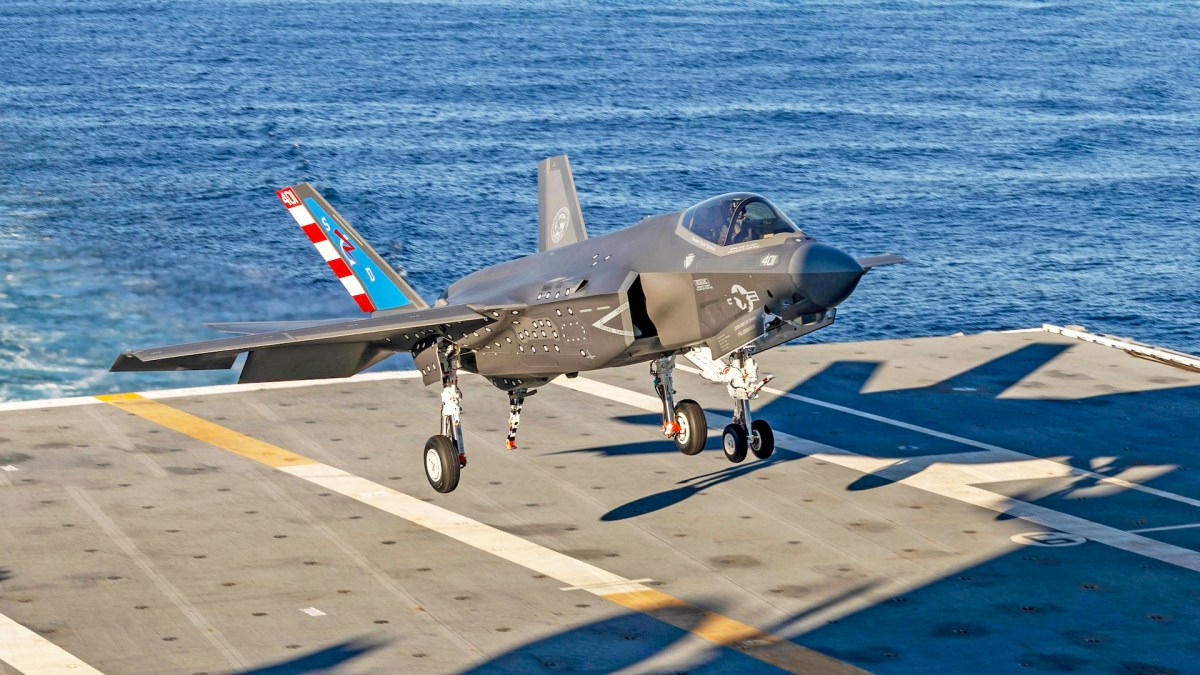
पनडुब्बी समय-सीमाएँ अब भी दबाव का बिंदु हैं
सारांश का दूसरा बड़ा विषय पनडुब्बी देरी था। यहाँ भी यह छोटा सारांश नौसैनिक procurement की व्यापक सच्चाई से मेल खाता है: undersea platforms बेड़े की सबसे रणनीतिक रूप से मूल्यवान परिसंपत्तियों में हैं, लेकिन समय पर इन्हें बनाना सबसे कठिन भी है। सम्मेलन की तस्वीरों में General Dynamics Electric Boat के Columbia-class और Virginia-class पनडुब्बी मॉडल दोनों को प्रमुखता से दिखाया गया।
पनडुब्बी कार्यक्रमों में समय-सीमा का दबाव कई कारणों से महत्वपूर्ण है। Columbia class अमेरिकी रणनीतिक प्रतिरोधकता के sea-based leg के लिए केंद्रीय है, जबकि Virginia-class attack submarines पारंपरिक deterrence, intelligence collection, और power projection के लिए अनिवार्य हैं। दोनों क्षेत्रों में देरी केवल shipyard तक सीमित नहीं रहती। यह force availability, industrial planning, और allied confidence तक फैलती है।
यह तथ्य कि पनडुब्बी schedules को एक उच्च-प्रोफ़ाइल surface combatant चर्चा के साथ उजागर किया गया, एक असहज संतुलन को दिखाता है। नौसेना नेतृत्व और उद्योग भागीदारों से अपेक्षा की जा रही है कि वे legacy priorities को बनाए रखें, नए fleet concepts पेश करें, और production strain को एक साथ झेलें। यह sequencing decisions को कठिन बना देता है।
प्रदर्शनी फ़्लोर ने autonomy-केंद्रित भविष्य की ओर इशारा किया
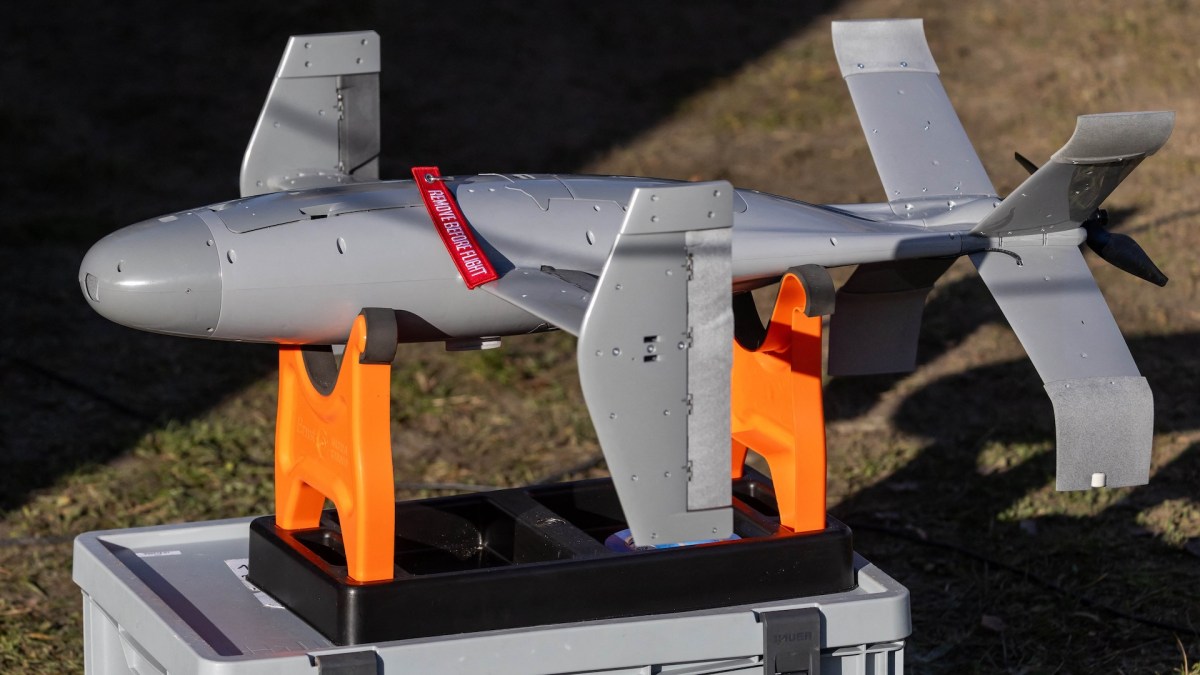
जहाँ जहाज़ और पनडुब्बियाँ ध्यान खींच रही थीं, वहीं रिपोर्ट से जुड़ी गैलरी शायद उतनी ही शिक्षाप्रद थी। उसने naval relevance के लिए प्रतिस्पर्धा कर रही तकनीकों की विस्तृतता दिखाई। Leonardo DRS ने maritime mission equipment package के साथ एक autonomous unmanned surface vessel प्रदर्शित किया। Shield AI ने अपना X-BAT AI-piloted VTOL fighter concept दिखाया। Schiebel ने एक unmanned rotorcraft पेश किया। Saildrone ने wingless Spectre uncrewed surface vessel का प्रदर्शन किया। Anduril ने अपने Dive XL nose section को प्रदर्शित किया। Path Robotics एक robot dog के साथ दिखा, जिसके साथ welding torch लगी थी। L3Harris को Red Wolf munitions के साथ पहचाना गया, जिन्हें Marine Corps precision attack program के लिए चुना गया था।
इन सबको साथ देखकर लगता है कि force design की बातचीत अब autonomy को किसी सहायक तत्व के रूप में नहीं, बल्कि एक केंद्रीय organising theme के रूप में देख रही है। Navy और Marine Corps स्पष्ट रूप से crewed और uncrewed assets के बड़े मिश्रण, नए manufacturing तरीकों, और distributed strike विकल्पों की ओर देख रहे हैं। इसका मतलब यह नहीं कि पारंपरिक platforms पीछे छूट रहे हैं। बल्कि, event इसके उलट संकेत देता है: सेवाएँ बड़े, परिष्कृत systems के औद्योगिक बोझ को छोड़े बिना आधुनिकीकरण करना चाहती हैं।
procurement बहस सबके सामने है
Sea Air Space हमेशा कुछ हद तक signaling के बारे में भी रहा है। कंपनियाँ क्षमता का संकेत देती हैं, सेवाएँ प्राथमिकताओं का संकेत देती हैं, और नीति समुदाय दोनों के बीच तालमेल या असंगति को पढ़ता है। दिन-दो का यह सारांश किसी तयशुदा modernization strategy को नहीं, बल्कि सार्वजनिक रूप से हो रही procurement बहस को सामने लाता है।
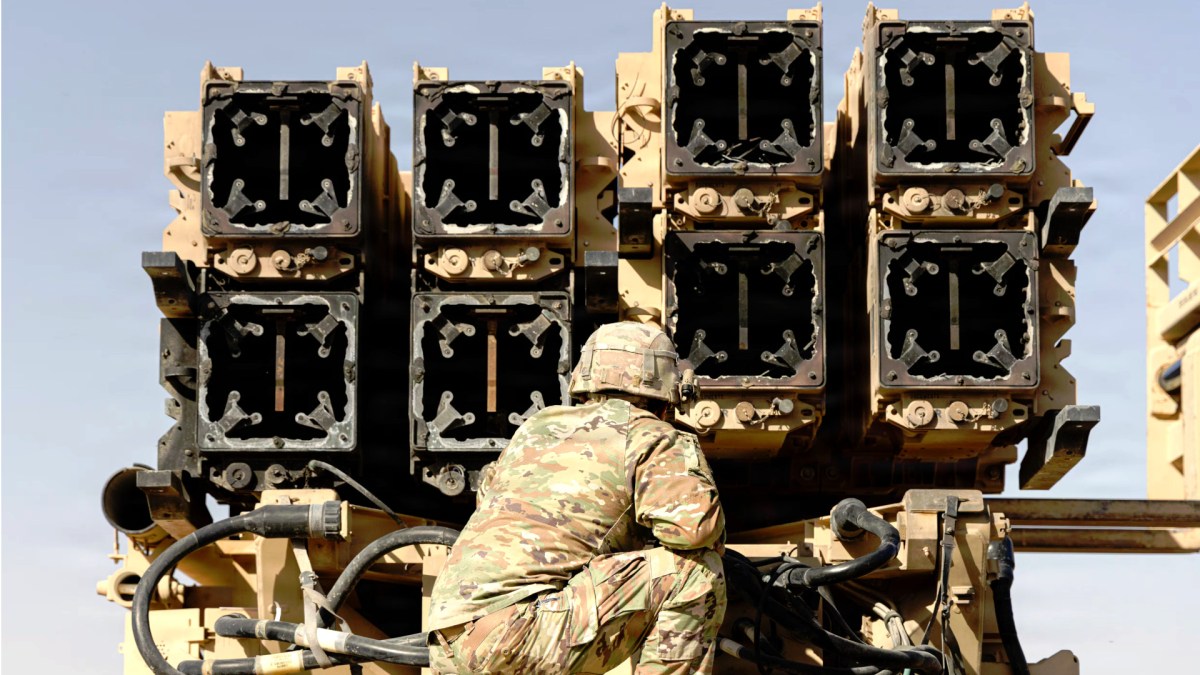
एक तरफ़ नए battleships और submarines जैसे बड़े कार्यक्रम हैं, जो deterrence और fleet presence से जुड़े हैं। दूसरी तरफ़ autonomous vessels, unmanned aircraft, robotic systems, और precision weapons का एक पारिस्थितिकी तंत्र है, जो scale, flexibility, और personnel को कम जोखिम देने का वादा करता है। असली सवाल यह नहीं है कि कौन जीतेगा। सवाल यह है कि वास्तविक दुनिया की schedule constraints के बीच नौसेना दोनों को कैसे afford, build, और integrate करेगी।
रिपोर्ट में बताए गए आने वाले keynote से शायद और स्पष्टता मिले, लेकिन उपलब्ध सामग्री पहले ही बहस का स्वरूप दिखा देती है। लागत पर scrutiny तेज़ हो रही है। समय-सीमाएँ नाज़ुक बनी हुई हैं। और autonomy अब maritime planning के केंद्र से बाहर नहीं है।
यह सम्मेलन से परे क्यों मायने रखता है
डिफेंस ट्रेड शो अक्सर substance से अधिक noise पैदा करते हैं, लेकिन वे संस्थागत momentum का उपयोगी snapshot भी होते हैं। Breaking Defense द्वारा हाइलाइट किए गए विषयों का मिश्रण एक ऐसी नौसेना दिखाता है जो ambition और execution के बीच संतुलन बनाने की कोशिश कर रही है। बड़े warship programs अब भी ध्यान खींचते हैं, लेकिन उनके आसपास का औद्योगिक और तकनीकी वातावरण तेज़ी से बदल रहा है। फ़्लोर पर अधिक autonomous systems दिख रहे हैं, manufacturing innovation अधिक पेश की जा रही है, और हर पारंपरिक platform निर्णय पर अधिक बजटीय दबाव जुड़ रहा है।
अगर यह पैटर्न बना रहा, तो Sea Air Space 2026 को शायद किसी एक घोषणा से कम और नौसेना के मौजूदा crossroads को स्पष्ट रूप से दिखाने के लिए अधिक याद किया जाएगा। सेवा legacy और innovation के बीच किसी साफ़ क्रम में नहीं चुन रही। उसे दोनों को एक साथ संभालना पड़ रहा है। इससे battleship costs और submarine delays सिर्फ़ program-specific मुद्दे नहीं रहते। ये इस बात के परीक्षण बन जाते हैं कि क्या नौसेना अपने industrial base और procurement timelines को बनाए रखते हुए इच्छित पैमाने पर आधुनिकीकरण कर सकती है।
यह लेख Breaking Defense की रिपोर्टिंग पर आधारित है। मूल लेख पढ़ें.
Originally published on breakingdefense.com