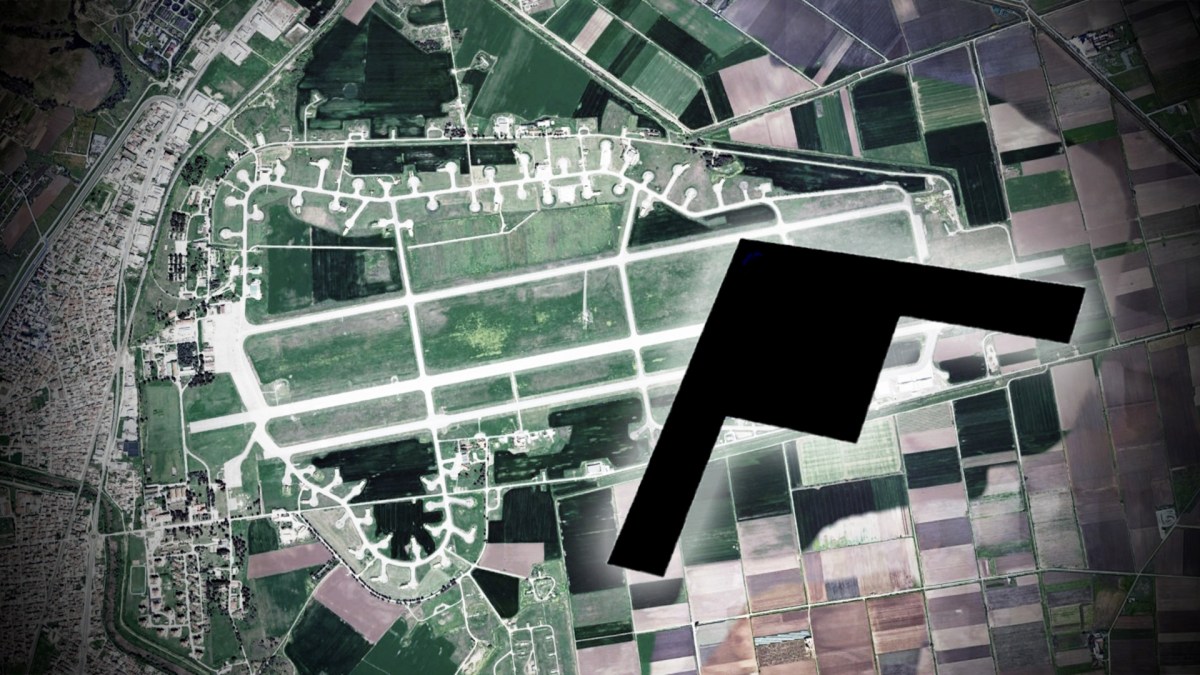
भूत ड्रोन प्रकट होता है
RQ-180, United States Air Force का सबसे गोपनीय परिचालन मानवरहित विमान, ग्रीक एयर बेस पर आपातकालीन लैंडिंग की रिपोर्ट की गई है — एक घटना जो अमेरिका के सबसे गोपनीय विमान कार्यक्रमों को अप्रत्याशित सार्वजनिक दृश्यमानता में लाएगी, The War Zone की रिपोर्टिंग के अनुसार। विमान, Northrop Grumman द्वारा निर्मित एक बड़ा उड़ने वाला पंख डिजाइन, विमान उत्साहीयों द्वारा कई बार फोटोग्राफ किया गया और ट्रैक किया गया है लेकिन कभी US सरकार या Air Force द्वारा अधिकारिक रूप से स्वीकार नहीं किया गया।
गोपनीय विमानों का आपातकालीन मोड़ सहयोगी राष्ट्र के ठिकानों पर अभूतपूर्व नहीं है, लेकिन वे राजनयिक जटिलताओं और बुद्धिमत्ता जोखिम पैदा करते हैं जिन्हें Air Force काफी हद तक टालने का प्रयास करता है। RQ-180 के ग्रीक बेस पर प्रकट होने से पता चलता है कि विमान Eastern Mediterranean में काम कर रहा था — Ukraine में चल रहे संघर्ष, रूसी नौसेना बल, और Iran के साथ बढ़े हुए तनाव को देखते हुए महत्वपूर्ण निगरानी रुचि वाला क्षेत्र — और ऐसी परिस्थिति का सामना किया जिसने अपने सामान्य परिचालन स्थान पर लौटने को रोका।
RQ-180 के बारे में हम क्या जानते हैं
RQ-180 को एक उच्च-ऊंचाई, लंबी-सहनशीलता स्टेल्थ टोही विमान माना जाता है जिसे परिष्कृत एकीकृत वायु रक्षा प्रणालियों में घुसपैठ करने और प्रतिद्वंद्वी हवाई क्षेत्र से खुफिया जानकारी एकत्र करने के लिए डिजाइन किया गया है। RQ-4 Global Hawk के विपरीत, जो मुख्य रूप से अनुमतिप्राप्त वातावरण में काम करता है, RQ-180 को विशेष रूप से उन स्थानों पर काम करने के लिए विकसित किया गया बताया जाता है जहां Russia, China, Iran जैसे उन्नत वायु रक्षा क्षमता वाले विरोधी अन्यथा पारंपरिक निगरानी विमान का पता लगा सकते हैं और इसमें संलग्न हो सकते हैं।
दृश्यों में दिखाई देने वाली भौतिक विशेषताएं और लीक किए गए फोटोग्राफ कम रडार क्रॉस-सेक्शन के लिए अनुकूलित एक मिश्रित उड़न पंख डिजाइन का सुझाव देते हैं, लगभग 40 मीटर के अनुमानित विस्तार के साथ — Boeing 737 के साथ मोटे तौर पर तुलनीय — और विस्तारित अवधि के लिए 60,000 फीट से ऊपर ऊंचाई पर काम करने की क्षमता। विमान को उन्नत सिग्नल इंटेलिजेंस और इमेजिंग सेंसर ले जाने के लिए समझा जाता है, हालांकि विशिष्ट पेलोड कॉन्फ़िगरेशन वर्गीकृत रहता है।
Greece क्यों
Greece महत्वपूर्ण US सैन्य उपस्थिति के साथ कई हवाई अड्डों की मेजबानी करता है, Crete पर Souda Bay Naval Support Activity सहित, जिसने US Mediterranean गतिविधियों के लिए लॉजिस्टिक्स और संचालन केंद्र के रूप में अपनी भूमिका का विस्तार किया है। ग्रीक बेस पर एक मोड़ सुझाता है कि विमान एक ऐसे क्षेत्र में काम कर रहा था जहां Greece सबसे निकटतम या सबसे सुलभ उपयुक्त लैंडिंग सुविधा का प्रतिनिधित्व करता था — Eastern Mediterranean में संचालन के अनुरूप या संभवतः आगे पूर्व।
Greece की NATO सदस्यता और US सैन्य आधार के लिए इसके मौजूदा समझौते इसे एक प्रशंसनीय मोड़ स्थान बनाते हैं, हालांकि एक गोपनीय विमान की उपस्थिति संवेदनशील राजनीतिक गतिविज्ञान पैदा करती है। Athens ने अपनी विदेश नीति में सावधानीपूर्वक संतुलन बनाया है, NATO संरेखण बनाए रखते हुए Russia और Turkey के साथ संबंध प्रबंधित करते हुए, और Greece की भूमि पर एक गोपनीय US टोही मंच की मौजूदगी उस प्रकार का विकास है जो कई पक्षों का ध्यान आकर्षित करता है।
गोपनीय कार्यक्रमों के लिए प्रकटीकरण समस्या
RQ-180 के लिए US सरकार की मानक स्थिति न तो पुष्टि है और न ही इनकार — एक रुख जो तब तक कठिन होता जा रहा है जब तक विमान सार्वजनिक दृश्यों को जमा करता है और अब एक सहयोगी राष्ट्र के हवाई सुविधा पर स्पष्ट बेसिंग घटना है। विमान शोधकर्ताओं और ओपेन-सोर्स इंटेलिजेंस विश्लेषकों ने परीक्षण और परिचालन सुविधाओं पर कई RQ-180 दृश्यों को दस्तावेज किया है, एक कार्यक्रम की विस्तृत तस्वीर बनाते हुए जो Air Force के पास अधिकारिक रूप से कहने के लिए कुछ भी नहीं है।
विदेशी ठिकानों पर आपातकालीन मोड़ एक विशेष चुनौती प्रस्तुत करता है क्योंकि वे गोपनीय कार्यक्रमों को विदेशी नागरिकों के लिए उजागर करते हैं जो सुविधा पर या उसके पास मौजूद हो सकते हैं। एक विदेशी सैन्य ठिकाने पर एक मोड़ वाले विमान के चारों ओर सूचना वातावरण को नियंत्रित और प्रबंधित करने की Air Force की क्षमता पूर्ण सुरक्षा प्रोटोकॉल के तहत काम करने वाली घरेलू सुविधा की तुलना में काफी कम है। RQ-180 घटना यह स्पष्ट संकेत है कि अमेरिका के सबसे कसकर आयोजित विमान रहस्यों में से एक तेजी से, अनिच्छा से, एक सार्वजनिक तथ्य बन रहा है।
यह लेख twz.com द्वारा रिपोर्टिंग पर आधारित है। मूल लेख पढ़ें.
Originally published on twz.com