यूरोप की नई लड़ाकू विमान ज्यामिति
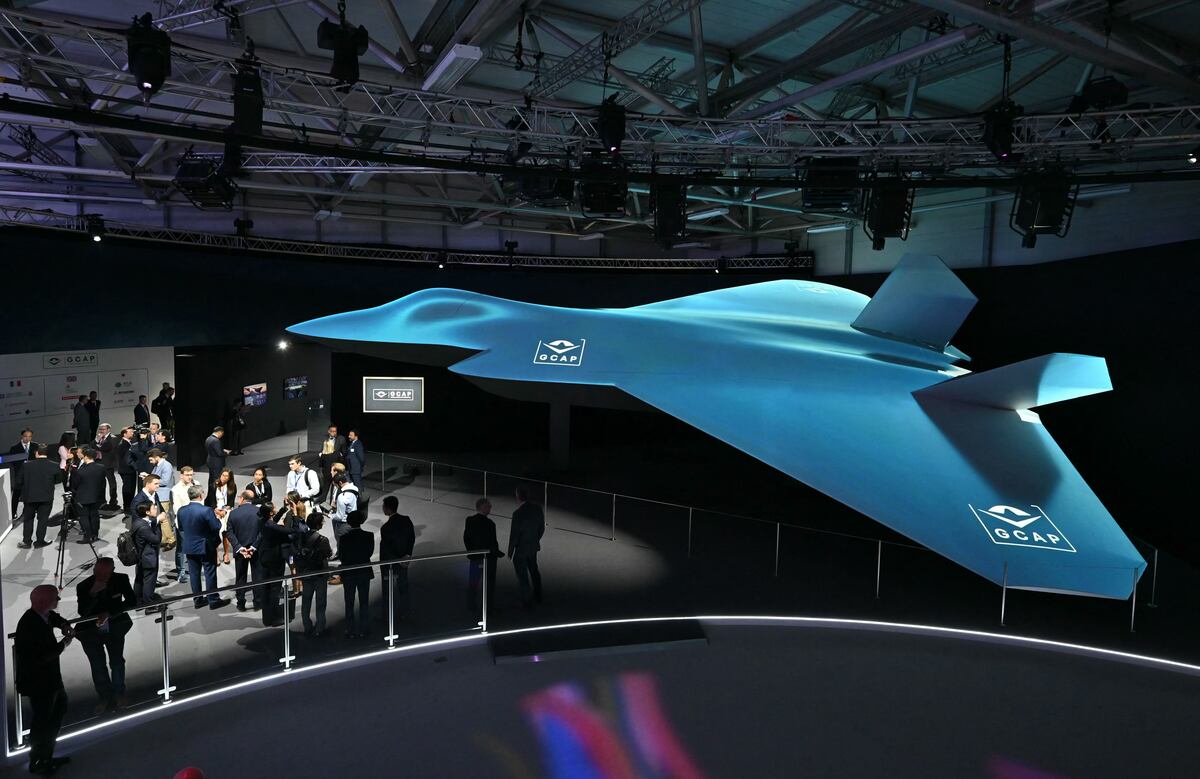
Global Combat Air Programme, जिसे GCAP के रूप में जाना जाता है, इस दशक की सबसे महत्वाकांक्षी पश्चिमी रक्षा औद्योगिक परियोजनाओं में से एक का प्रतिनिधित्व करता है। यह पहल United Kingdom, Italy, और Japan को एक साथ लाती है ताकि एक अगली पीढ़ी के लड़ाकू विमान को विकसित किया जा सके जो पुराने प्लेटफॉर्म को प्रतिस्थापित करने के लिए — UK और Italy के लिए Eurofighter Typhoon, Japan के लिए Mitsubishi F-2 — एक छठी पीढ़ी की प्रणाली के साथ जो advanced stealth, artificial intelligence-चालित मिशन प्रबंधन, और autonomous wingmen और networked sensor आर्किटेक्चर के साथ समन्वय करने की क्षमता को एकीकृत करता है। अब Poland, NATO के सबसे रक्षा-गंभीर सदस्य राज्यों में से एक, कार्यक्रम में शामिल होने की रुचि संकेत दे रहा है।
पोलिश रक्षा अधिकारियों ने पुष्टि की है कि संभावित GCAP सदस्यता के बारे में चर्चा Italian और Japanese हितधारकों के साथ हुई है, हालांकि उन वार्तालापों का सटीक दायरा और औपचारिकता अस्पष्ट रहती है। कोई औपचारिक सरकार-से-सरकार वार्ता की घोषणा नहीं की गई है, और UK, Italy, और Japan ने सार्वजनिक रूप से पुष्टि नहीं की है कि Poland को भागीदारी शर्तों की खोज करने की पेशकश की गई है या औपचारिक रूप से आमंत्रित किया गया है। Warsaw से संकेत फिर भी महत्वपूर्ण हैं: वे Poland की प्रमुख यूरोपीय और transatlantic रक्षा औद्योगिक साझेदारी में सामूहिकता के लिए बढ़ती हुई भूख को प्रतिबिंबित करते हैं।
Poland को क्यों रुचि है
GCAP में Poland की रुचि परिचालनात्मक और औद्योगिक दोनों विचारों में निहित है। परिचालनात्मक पक्ष पर, Poland F-16s संचालित करता है और US विदेशी सैन्य बिक्रय प्रक्रिया के माध्यम से F-35s प्राप्त कर रहा है। F-35 एक दुर्जेय fifth-generation प्लेटफॉर्म है, लेकिन यह एक हथियार प्रणाली का प्रतिनिधित्व करता है जहां Poland एक भागीदार की बजाय एक ग्राहक है — Lockheed Martin और US सरकार पर sustainment, upgrades, और प्लेटफॉर्म की सबसे संवेदनशील क्षमताओं तक पहुंच के लिए निर्भर है। GCAP में भाग लेना Poland को एक sovereign European-Japanese प्लेटफॉर्म में हिस्सेदारी देगा, associated technology access, maintenance capability, और औद्योगिक भाग लेने के साथ जो परंपरागत रूप से प्रमुख रक्षा कार्यक्रमों में भागीदारी प्रदान करता है।
औद्योगिक आयाम महत्वपूर्ण है। Poland एक domestic रक्षा औद्योगिक आधार का निर्माण कर रहा है जिसमें उल्लेखनीय महत्वाकांक्षा है, domestic tank production, ammunition manufacturing, और aerospace क्षमताओं में निवेश कर रहा है। GCAP भाग लेना Polish aerospace कंपनियों को आने वाली पीढ़ी के सबसे तकनीकी रूप से जटिल रक्षा कार्यक्रमों में से एक की supply chain में एक रास्ता प्रदान करेगा। एक सरकार के लिए जिसने defense industrial sovereignty को एक स्पष्ट राष्ट्रीय प्राथमिकता बनाया है, वह अवसर विमान से परे strategic मान रखता है।
भू-राजनीतिक संदर्भ
GCAP में Poland की रुचि यूरोपीय सुरक्षा संबंधों के व्यापक पुनर्निर्माण को भी प्रतिबिंबित करती है जो Russia के Ukraine के खिलाफ चल रहे युद्ध द्वारा triggered किया गया था। Poland यूरोप में सबसे defense-committed NATO सदस्य के रूप में उभरा है, NATO दो-प्रतिशत लक्ष्य से अच्छी तरह से अधिक खर्च कर रहा है और पूर्वी किनारे पर मजबूत alliance deterrence मुद्रा के लिए लगातार समर्थन कर रहा है। Warsaw के UK के साथ संबंध — जो Brexit के बावजूद यूरोपीय सुरक्षा संरचनाओं में गहराई से embedded रहता है — और Japan के साथ, जिसके साथ Poland एक बढ़ती हुई सुरक्षा साझेदारी विकसित कर रहा है, GCAP बातचीत के लिए प्राकृतिक राजनयिक रास्ते बनाते हैं।
GCAP का Indo-Pacific आयाम भी प्रासंगिक है। कार्यक्रम में Japan की भागीदारी NATO के यूरोपीय सदस्यों और Indo-Pacific लोकतांत्रिक राष्ट्रों के बीच गहरा होने वाली सुरक्षा convergence का एक संकेत है। Poland के लिए, जो इस transatlantic-plus architecture का एक उत्साही समर्थक रहा है, एक कार्यक्रम के साथ alignment जो संरचनात्मक रूप से यूरोपीय और Japanese रक्षा उद्योगों को जोड़ता है, प्रतीकात्मक साथ ही material मूल्य ले जाता है।
सदस्यता का वास्तव में क्या मतलब होगा
एक नए भागीदार के रूप में स्थापित major रक्षा कार्यक्रम में शामिल होना शायद ही कभी सरल होता है। UK, Italy, और Japan पहले से ही GCAP विमान की fundamental architecture और कार्यक्रम की governance संरचनाओं पर सहमत हैं। एक नए सदस्य को funding में योगदान देना होगा, assigned work share को स्वीकार करना होगा, और existing program management संरचनाओं के साथ एकीकृत होना होगा — negotiations जो technically और diplomatically जटिल हो सकते हैं भले ही सभी पक्ष broadly aligned हों।
Poland की defense budget, ऐतिहासिक मानकों के अनुसार बड़ी होने के बावजूद, UK, Italy, या Japan के पैमाने पर नहीं है, जो presumably work share और technology access को इसके योगदान के अनुरूप सीमित करेगा। सटीक शर्तें जिसके तहत एक छोटा भागीदार participate कर सकता है — चाहे एक full design partner, एक associate partner, या एक future customer के रूप में industrial offset arrangements के साथ — किसी भी negotiation के लिए केंद्रीय होगा।
यूरोपीय वायु शक्ति के लिए बड़े दांव
GCAP और rival FCAS program — Future Combat Air System जो France, Germany, और Spain द्वारा विकसित किया जा रहा है — 2040 और उसके बाद में यूरोपीय वायु शक्ति के लिए competing visions का प्रतिनिधित्व करते हैं। दोनों programs को consolidation के लिए एक रास्ता खोजने में कठिनाई हुई है, और उनकी parallel existence से पता चलता है कि यूरोप दो अलग sixth-generation fighter programs को sustain करेगा जिनके अलग partnerships और defense industrial sovereignty की अलग visions होंगे।
GCAP में Poland की रुचि, यदि यह formal membership की ओर ले जाती है, तो एक और यूरोपीय राज्य को Anglo-Italian-Japanese camp की ओर झुका देगी और Franco-German-Spanish से दूर। यूरोपीय रक्षा की intricate politics में, major military spenders द्वारा किए गए alignment विकल्प का weight होता है जो किसी भी individual program decision से परे जाता है। अगली पीढ़ी के लिए यूरोपीय वायु शक्ति का आकार decide किया जा रहा है, एक partnership conversation एक बार में।
यह लेख Defense News द्वारा reporting पर आधारित है। मूल लेख पढ़ें।
Originally published on defensenews.com