पेंटागन छोटे ड्रोन के खिलाफ तेज़ फैसले चाहता है
U.S. Department of Defense छोटे ड्रोन से निपटने के तरीके को बेहतर बनाने के लिए AI-समृद्ध लक्ष्य पहचान की ओर रुख कर रहा है। C-UAS Close-In Kinetic Defeat Enhancement नामक यह परियोजना aided target recognition, या AiTR, पर केंद्रित है, जिसमें AI, machine learning, और computer vision का उपयोग करके खतरों की पहचान उस गति से की जाती है जो एक मानव ऑपरेटर अकेले नहीं कर सकता।
तत्काल लक्ष्य सीधा है: ड्रोन को देखने और उसे मार गिराने के बीच का समय घटाना। उतना ही महत्वपूर्ण यह है कि पेंटागन ऐसी प्रणालियाँ चाहता है जो वास्तविक खतरों और पक्षियों जैसे गैर-खतरों में अंतर कर सकें, क्योंकि कम लागत वाले ड्रोन के बढ़ने और दृश्य अव्यवस्था के कारण कार्रवाई संबंधी निर्णय अधिक जटिल हो जाते हैं।
Defense Innovation Unit की solicitation एक चरणबद्ध योजना प्रस्तुत करती है, जो remote weapons stations से शुरू होकर अंततः पैदल चलने वाले सैनिकों के छोटे हथियारों तक पहुँचती है।
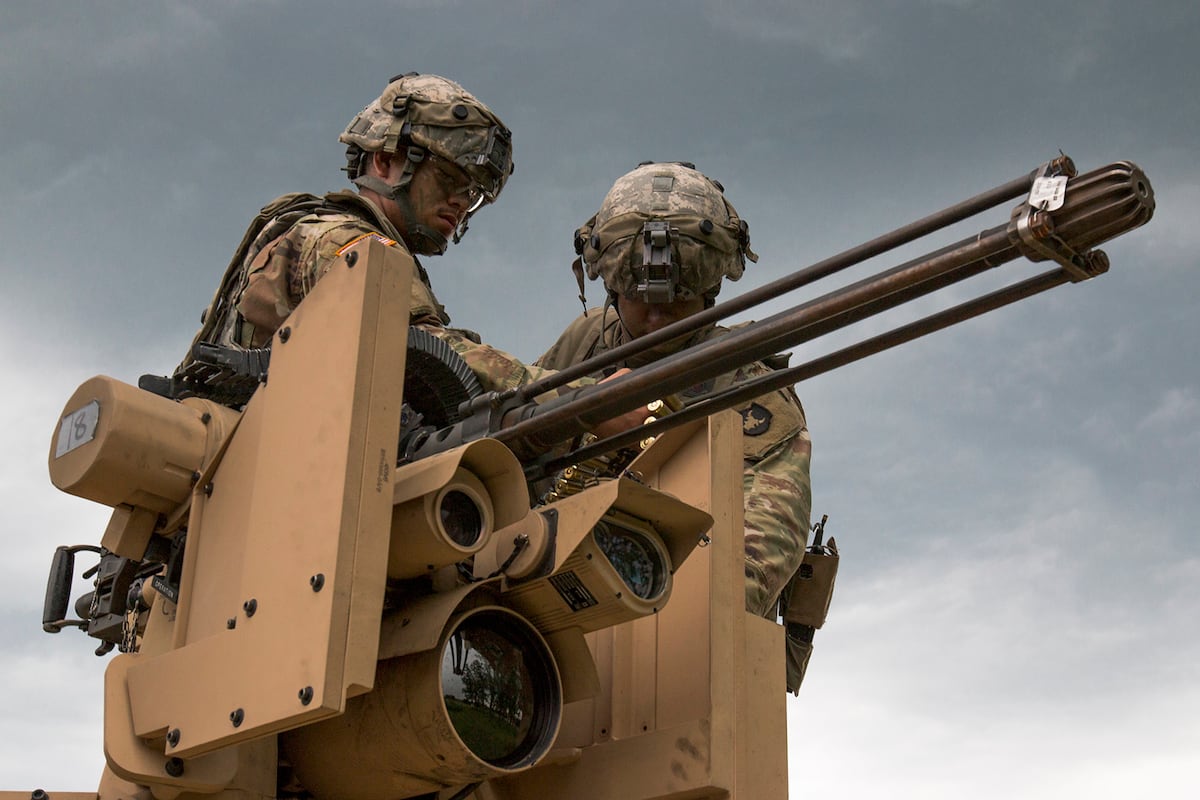
पहला चरण CROWS turret से शुरू होता है
पहला चरण remote weapons stations के लिए है, विशेष रूप से Common Remotely Operated Weapon Station, या CROWS, के लिए, जो सैन्य वाहनों पर व्यापक रूप से लगाया जाता है। solicitation के अनुसार, इस प्रणाली का उद्देश्य engagement timeline को तेज़ करना है, जिसमें शुरुआती फोकस unmanned aircraft systems पर और द्वितीयक फोकस vehicular और man-sized targets पर है।
Prototype systems को मौजूदा remote weapons stations की Group 1 और Group 2 drones को पहचानने, ट्रैक करने और उन पर कार्रवाई करने की क्षमता को स्पष्ट रूप से बेहतर साबित करना होगा, जिन्हें यहाँ 55 pounds और उससे कम वजन वाले targets के रूप में परिभाषित किया गया है। solicitation कहती है कि detection 600 meters से अधिक दूरी पर होनी चाहिए, जबकि engagement कम से कम 100 meters पर संभव होनी चाहिए। सिस्टम को कम से कम 30 meters per second, यानी लगभग 67 miles per hour की गति से चलने वाले ड्रोन के खिलाफ भी काम करना चाहिए।
ये संख्याएँ दिखाती हैं कि पेंटागन किसी अमूर्त demo की तलाश में नहीं है। वह एक ऐसी प्रणाली चाहता है जो वास्तविक tactical engagements से जुड़े ठोस performance thresholds के भीतर काम करे।
यह परियोजना वाहनों से आगे बढ़ती है
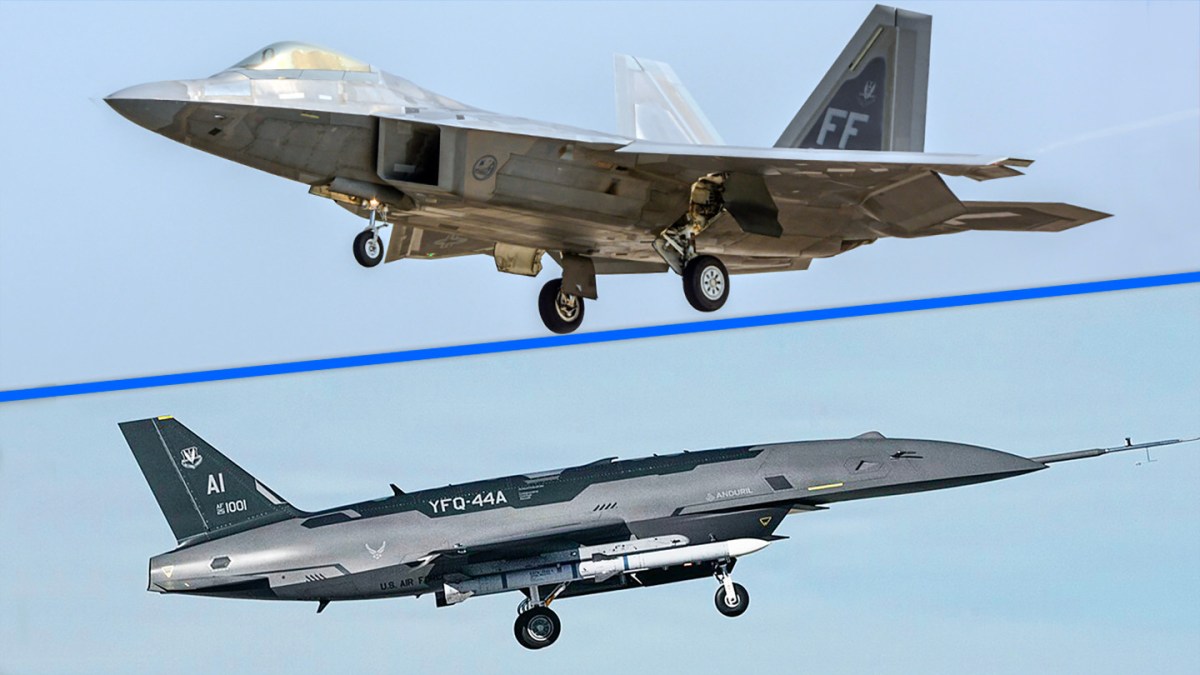
दूसरा चरण इस अवधारणा को ground और maritime environments में चलने वाले तथा स्थिर, दोनों platform तक विस्तारित करता है। उस चरण में solicitation 20 pounds से कम वजन वाले Group 1 drone को 7 meters per second की गति से 50 से 200 meters की दूरी पर मार गिराने की क्षमता मांगती है।
Weapons को चुनौतीपूर्ण firing angles के व्यापक दायरे में targets पर कार्रवाई करने में सक्षम होना चाहिए, जिसमें minus 10 degrees depression से लेकर 90 degrees elevation तक सीधे ऊपर की ओर शामिल है। contractors से यह भी कहा गया है कि वे एक live-fire capable prototype प्रदान करें, जो केवल laboratory demonstration नहीं बल्कि land और maritime environments के लिए उपयुक्त हो।
यह आवश्यकता defense technology pitches की सबसे आम कमजोरियों में से एक को दर्शाती है: ऐसी प्रणालियाँ जो नियंत्रित स्थितियों में अच्छा प्रदर्शन करती हैं, लेकिन recoil, motion, weather, और background clutter सामने आने पर कम भरोसेमंद साबित होती हैं। लगता है पेंटागन शुरू में ही इस कमी को छाँटना चाहता है।
सबसे महत्वाकांक्षी चरण व्यक्तिगत हथियारों को लक्षित करता है
तीसरा चरण सबसे उल्लेखनीय है। यह dismounted troops द्वारा उपयोग किए जाने वाले small arms में aided target recognition जोड़ना चाहता है। solicitation में कहा गया है कि वांछित solutions में ऐसी प्रणालियाँ शामिल हैं जो manually selected transient targets के खिलाफ hit probability बढ़ाने के लिए standard-issue rounds को deflect या self-aim कर सकें, साथ ही networked sensor और small-arms fire-control systems को एकीकृत कर सकें।
यदि यह हासिल होता है, तो drone defense vehicle- या ship-mounted systems के लिए advanced सहायता को आरक्षित रखने के बजाय individual soldier के और करीब पहुँच जाएगा। आवश्यकता यह भी कहती है कि प्रणाली legacy small arms के अनुकूल होनी चाहिए, विभिन्न calibers और configurations में scalable होनी चाहिए, और यदि अतिरिक्त technology degraded या fail हो जाए तो baseline weapon performance को बनाए रखनी चाहिए।
यह fallback आवश्यकता अत्यंत महत्वपूर्ण है। युद्ध में किसी digital aid को खराब होने पर weapon को अप्रभावी नहीं बनाना चाहिए। solicitation स्पष्ट रूप से इसी सिद्धांत को सुरक्षित रखती है।
यह अब battlefield के लिए क्यों उपयुक्त है
Counter-drone warfare तेज़ी से बदला है क्योंकि छोटे unmanned systems सस्ते हैं, संख्या में अधिक हैं, और उन्हें प्रभावी ढंग से हराना increasingly कठिन हो गया है। पारंपरिक air defense अक्सर सबसे छोटे खतरों के लिए बहुत महँगी या बहुत cumbersome होती है, जबकि केवल मानव visual recognition तब बहुत धीमी या त्रुटिपूर्ण हो सकती है जब कुछ सेकंड मायने रखते हों।
सिद्धांत रूप में AI-assisted recognition एक अधिक scalable जवाब देता है। एक ऐसी प्रणाली जो जल्दी पहचान सके कि हवा में मौजूद वस्तु खतरा है या नहीं, उसे track करती रहे, और सटीक engagement में सहायता करे, reaction time कम कर सकती है और false targets पर कम rounds खर्च कर सकती है।
drone को birds से अलग पहचानने पर solicitation का जोर दिखाता है कि यह चुनौती कितनी व्यावहारिक हो गई है। समस्या केवल वही नहीं है जो महत्वपूर्ण है उस पर प्रहार करना। यह harmless clutter से ट्रिगर होने वाले engagement decisions से बचना भी है।
सफलता कैसी दिखेगी
यदि कार्यक्रम विश्वसनीय prototypes तैयार करता है, तो सफलता संभवतः एक साथ कई चीज़ों का अर्थ होगी।
- Remote weapons stations को drone engagement के लिए तेज़ और अधिक भरोसेमंद सहायता मिलेगी।
- Ground और maritime platforms को अनुकूल close-in kinetic defense options मिलेंगी।
- पैदल चलने वाले सैनिकों को अंततः fleeting drone targets के खिलाफ अधिक सक्षम fire-control सहायता मिल सकती है।
फिर भी, human operators महत्वपूर्ण बने रहेंगे। solicitation aided target recognition का वर्णन करती है, न कि पूरी तरह autonomous kill chain का। AI की भूमिका उन स्थितियों में detection, classification, और engagement support को तेज़ करना है जहाँ समय और दृश्यता operator के खिलाफ हैं।
आगे क्या देखें
solicitation deadline May 15 है, जिसका अर्थ है कि पेंटागन candidate systems इकट्ठा करने के लिए तेज़ी से आगे बढ़ रहा है। अधिक महत्वपूर्ण प्रश्न यह है कि क्या उद्योग ऐसे rugged, live-fire-capable tools बना सकता है जो vehicles, ships, और infantry weapons across work करें, और साथ ही नई reliability या safety समस्याएँ न पैदा करें।
यह एक ऊँचा मानक है, लेकिन operational need स्पष्ट है। छोटे ड्रोन वर्तमान युग के निर्णायक tactical threats में से एक बन गए हैं। U.S. military अब संकेत दे रही है कि software-assisted targeting, केवल नए interceptors नहीं, जवाब का एक प्रमुख हिस्सा होगा।
यदि यह प्रयास सफल होता है, तो परिणाम केवल बेहतर sensors नहीं होंगे। यह इस बात में एक व्यापक बदलाव होगा कि kinetic counter-drone defense कैसे निष्पादित की जाती है, जिसमें AI support mounted systems से नीचे जाकर जमीन पर मौजूद individual service member तक पहुँचेगा।
यह लेख Defense News की रिपोर्टिंग पर आधारित है। मूल लेख पढ़ें.
Originally published on defensenews.com