एक नकारात्मक निष्कर्ष ने साइकिडेलिक्स अनुसंधान के सबसे स्थायी सवालों में से एक को फिर से सामने ला दिया है
क्या स्तनधारी मस्तिष्क स्वाभाविक रूप से DMT बनाता है? हाल ही में चर्चा में आए एक अध्ययन ने चूहों के मस्तिष्क में अंतर्जात DMT के बहुत कम प्रमाण रिपोर्ट करके इस सवाल को फिर से सुर्खियों में ला दिया है। बहस को बंद करने के बजाय, इस नतीजे ने उसे और तीखा कर दिया है, क्योंकि यह उस पहले के काम से टकराता है जिसमें संकेत दिया गया था कि चूहे का मस्तिष्क इस साइकिडेलिक यौगिक का संश्लेषण और उत्सर्जन कर सकता है।
DMT, या N,N-dimethyltryptamine, विज्ञान और संस्कृति दोनों में एक असामान्य स्थान रखता है। यह एक शक्तिशाली साइकिडेलिक है, लेकिन साथ ही यह उस लंबे समय से चली आ रही परिकल्पना का विषय भी है कि मस्तिष्क इसे प्राकृतिक रूप से बना सकते हैं, संभवतः चेतना, स्वप्नों या अत्यधिक शारीरिक अवस्थाओं से जुड़ी प्रक्रियाओं में। इस व्यापक अटकल ने अक्सर साक्ष्यों से आगे निकल कर अनुमान का रूप ले लिया है। नया अध्ययन याद दिलाता है कि और भी बुनियादी जैविक सवाल, यानी क्या DMT स्तनधारी मस्तिष्कों में मौजूद है और सार्थक तरीकों से बना रहता है, अभी भी अनसुलझा है।
नए अध्ययन में क्या पाया गया
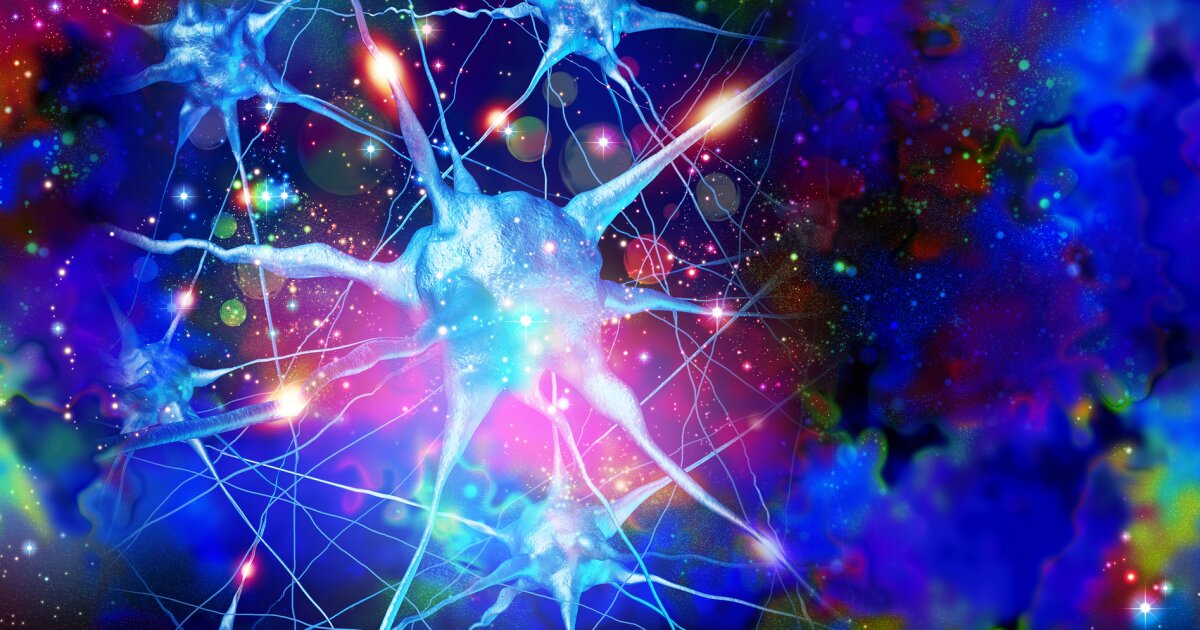
दक्षिणी डेनमार्क विश्वविद्यालय के एसोसिएट प्रोफेसर मिकाएल पाल्नर और उनकी टीम ने चूहे के मस्तिष्कों पर एक खास अपेक्षा के साथ ध्यान केंद्रित किया। चूंकि DMT एक ट्रिप्टामाइन है और सेरोटोनिन से कुछ समानताएं रखता है, इसलिए शोधकर्ताओं ने सेरोटोनर्जिक न्यूरॉनों पर ध्यान दिया और उन्हें अंतर्जात DMT की मापने योग्य मात्राएं, या इस बात के प्रमाण मिलने की उम्मीद थी कि बाहरी रूप से दिया गया DMT सेरोटोनिन-संबंधित संरचनाओं में जमा हो रहा है।
पाल्नर के अनुसार, टीम को इनमें से कोई भी प्रमाण नहीं मिला। उन्होंने कहा कि उन्हें ऐसा कोई सबूत नहीं मिला कि DMT को सेरोटोनिन ट्रांसपोर्टर द्वारा एक्सॉनों में लिया गया हो या वेसीकुलर मोनोअमीन ट्रांसपोर्टर द्वारा सेरोटोनिन वेसीकल्स में संग्रहीत किया गया हो। यह निष्कर्ष शोधकर्ताओं के लिए चौंकाने वाला था। उन्होंने DMT के चयापचय को रोककर उसकी पता चलने योग्य मात्रा को सुरक्षित रखने की कोशिश की थी, क्योंकि यह यौगिक बहुत तेजी से टूटता है।
पिछले महीने Neuropharmacology में प्रकाशित इस अध्ययन ने निष्कर्ष निकाला कि चूहे के मस्तिष्कों में अंतर्जात DMT के बहुत कम प्रमाण हैं। अधिक विशिष्ट रूप से, पाल्नर ने कहा कि यह कार्य सुझाता है कि DMT न तो बना था और न ही चूहे के मस्तिष्क के सेरोटोनिन टर्मिनलों में बना रह पाया।
यह नतीजा क्यों मायने रखता है
नकारात्मक निष्कर्षों को आसानी से नजरअंदाज किया जा सकता है, लेकिन इस मामले में इसके निहितार्थ महत्वपूर्ण हैं। 2019 में डीन और सहयोगियों का एक प्रभावशाली अध्ययन रिपोर्ट करता है कि चूहे का मस्तिष्क DMT को संश्लेषित और रिलीज़ करने में सक्षम है, और अंतर्जात उत्पादन कई मस्तिष्क क्षेत्रों, जिनमें विज़ुअल कॉर्टेक्स भी शामिल है, में देखा गया। उस अध्ययन ने इस विचार को बनाए रखने में मदद की कि DMT स्तनधारी न्यूरोबायोलॉजी में कोई अंतर्जात भूमिका निभा सकता है और यह संभावना भी उठाई कि मनुष्यों में भी ऐसा ही कोई परिघटना हो सकती है।
यदि पाल्नर का अध्ययन सही है, तो कम से कम उस व्याख्या का एक हिस्सा संकीर्ण या पुनर्विचार योग्य हो सकता है। जिस जगह शोधकर्ताओं ने DMT खोजने की उम्मीद की थी, वहां उसे न पा सकना यह साबित नहीं करता कि यह यौगिक हर जगह और हर परिस्थिति में अनुपस्थित है, लेकिन यह उन दावों को कमजोर करता है जो यह मानते हैं कि मामला पहले ही सिद्ध हो चुका है। इससे संकेत मिलता है कि जीवविज्ञान शायद पहले की व्याख्याओं की तुलना में अधिक सीमित, अधिक क्षणिक, या विधि पर अधिक निर्भर हो सकता है।
बहस अब अर्थ के साथ-साथ तरीकों पर भी केंद्रित है
नए नतीजे ने पहले के सकारात्मक मामले से जुड़े वैज्ञानिकों की ओर से भी जांच-पड़ताल को आकर्षित किया है। लुइसियाना स्टेट यूनिवर्सिटी के प्रोफेसर एमेरिटस और 2019 के अध्ययन के सह-लेखक स्टीवन बार्कर ने कहा कि उन्हें नए पेपर को लेकर कुछ सवाल हैं। लेख में कहा गया है कि जबकि उन्हें प्रशासित DMT के समय-क्रम और वितरण या उन्मूलन से संबंधित डेटा स्वीकार्य लगा, उन्होंने उन मुद्दों की ओर भी ध्यान दिलाया जिन्हें लेखकों ने अन्य प्रयोगों के संचालन के तरीके में स्वयं स्वीकार किया था।
यह प्रतिक्रिया इस क्षेत्र की मौजूदा स्थिति को दर्शाती है। असहमति केवल सिद्धांत पर नहीं है; यह पता लगाने की विधियों, जैविक लक्ष्यों और नकारात्मक बनाम सकारात्मक मापों की व्याख्या पर भी है। DMT के तेजी से विघटित होने के लिए जाना जाता है, जिससे इसे विश्वसनीय रूप से पकड़ना कठिन हो जाता है। इसका मतलब है कि कार्यप्रणाली बहुत हद तक यह तय कर सकती है कि कोई अध्ययन क्या देखता है या क्या नहीं देख पाता।
इसी कारण, नवीनतम अध्ययन को एक महत्वपूर्ण चुनौती के रूप में समझा जाना चाहिए, न कि अंतिम निर्णय के रूप में। यह उस सीधे-सादे मॉडल के खिलाफ तर्क देता है जिसमें चूहों के मस्तिष्क के सेरोटोनिन टर्मिनल नियमित रूप से DMT बनाते या उसे इस तरह संग्रहीत करते हैं कि वह पता चल सके। लेकिन यह अपने आप में हर संभावित अंतर्जात मार्ग, हर मस्तिष्क क्षेत्र, या हर शारीरिक संदर्भ को समाप्त नहीं करता।
इस सवाल ने इतनी ध्यान क्यों खींचा है
अंतर्जात DMT के विचार ने उस पर जुड़ी दावों के कारण असामान्य सांस्कृतिक महत्व हासिल किया है। DMT का अक्सर स्वप्नों, निकट-मृत्यु अनुभवों और चेतना की परिवर्तित अवस्थाओं पर अटकलपूर्ण चर्चाओं में उल्लेख किया जाता रहा है। इन कथाओं ने जन-रुचि बढ़ाई है, लेकिन वे मूल विज्ञान के लिए दांव भी बढ़ाती हैं। जब कमजोर साक्ष्य बड़ी दार्शनिक कहानियों का समर्थन करते हुए लगते हैं, तो उन्हें जल्दी ही जरूरत से ज्यादा अर्थ दिया जा सकता है।
मौजूदा विवाद दिखाता है कि सावधानी क्यों जरूरी है। एक आकर्षक परिकल्पना का होना ठोस साक्ष्य की गारंटी नहीं देता, और निर्णायक साक्ष्य का अभाव किसी परिकल्पना को असंभव नहीं बनाता। इस क्षेत्र को सबसे अधिक जरूरत ऐसी पुनरुत्पादनीय, तकनीकी रूप से कठोर शोध की है जो संभावित व्याख्याओं की सीमा को संकीर्ण कर सके।
आगे क्या
इस समय सबसे बचाव योग्य निष्कर्ष यही है कि अंतर्जात DMT का सवाल अभी खुला हुआ है। नया चूहे के मस्तिष्क का अध्ययन एक सरल सकारात्मक उत्तर के विरुद्ध जाता है, खासकर उस सेरोटोनर्जिक ढांचे में जिसकी जांच पाल्नर ने की। लेकिन चूंकि पहले के काम ने महत्वपूर्ण पहलुओं में विपरीत निष्कर्ष दिए थे, इसलिए इस विरोधाभास को अब बयानबाजी के बजाय आगे के प्रयोगों के जरिए सुलझाना होगा।
इसमें बेहतर डिटेक्शन तकनीकें, अलग प्रयोगात्मक डिज़ाइन, या इस बात पर अधिक ध्यान शामिल हो सकता है कि DMT कितनी तेजी से मेटाबोलाइज़ होता है और वह क्षणिक रूप से कहाँ प्रकट हो सकता है। इसके लिए अक्सर एक साथ जोड़ दिए जाने वाले सवालों को अधिक सटीक रूप से अलग करना भी जरूरी हो सकता है: क्या मस्तिष्क DMT का संश्लेषण कर सकता है, क्या वह उसे सार्थक मात्रा में संग्रहीत या रिलीज़ करता है, और क्या ऐसी किसी गतिविधि का कार्यात्मक महत्व है।
ये एक जैसे दावे नहीं हैं, और यदि इन्हें अलग-अलग देखा जाए तो क्षेत्र तेज़ी से आगे बढ़ेगा।
अतिआत्मविश्वासपूर्ण कथा का उपयोगी सुधार
मामला पूरी तरह सुलझाए बिना भी, नया पेपर एक महत्वपूर्ण वैज्ञानिक काम करता है। यह इस धारणा को बाधित करता है कि मस्तिष्क में अंतर्जात DMT पहले ही स्थापित तथ्य है। इसके बजाय, यह बातचीत को वापस उस बिंदु पर ले आता है जिसे मौजूदा डेटा समर्थन देते हैं: एक विवादित तस्वीर, परस्पर-विरोधी अध्ययन, और अनसुलझे कार्यप्रणाली संबंधी सवाल।
यह उन लोगों के लिए निराशाजनक हो सकता है जो एक सरल जवाब की उम्मीद कर रहे थे, लेकिन अधूरे साक्ष्य के साथ विज्ञान ऐसे ही काम करता है। नवीनतम निष्कर्ष अंतर्जात DMT की खोज को समाप्त नहीं करता। हालांकि, यह उस स्तर को अवश्य ऊंचा कर देता है जो अब विश्वसनीय प्रमाण माना जाएगा।
यह लेख refractor.io की रिपोर्टिंग पर आधारित है। मूल लेख पढ़ें.
Originally published on refractor.io