विनिर्माण नियामक पथ से मिलता है
अत्याधुनिक परमाणु रिएक्टर एक विरोधाभास का सामना करते हैं: आज विकसित किए जा रहे डिजाइन मौजूदा Light-water reactors की तुलना में अधिक सुरक्षित, अधिक कुशल और अधिक लचकदार होने के लिए हैं, लेकिन उनके निर्माण को नियंत्रित करने वाले नियामक मार्ग पिछली पीढ़ी के विनिर्माण तरीकों के लिए लिखे गए थे। कोड लिखे जाने के समय उपलब्ध न होने वाली या अव्यावहारिक सामग्री अब उच्च सटीकता के साथ तैयार की जा सकती है — लेकिन कई सालों के लिए आधिकारिक अनुमोदन प्रक्रियाओं के माध्यम से परमाणु घटकों में कानूनी रूप से उपयोग नहीं किया जा सकता है।
Argonne National Laboratory उस अंतर को बंद करने के लिए काम कर रहा है। Argonne के शोधकर्ताओं ने American Society of Mechanical Engineers को एक draft Code Case प्रस्तुत किया है जो High-temperature परमाणु रिएक्टर अनुप्रयोगों के लिए घटकों के लिए Laser Powder Bed Fusion — एक उच्च-सटीक additive manufacturing तकनीक — का उपयोग करने को सक्षम बनाएगा। यदि कोड परिवर्तन मंजूर हो जाता है, तो यह परमाणु-ग्रेड भाग बनाने का दरवाजा खोलेगा जिसमें ज्यामितीय जटिलता और सामग्री गुणों हैं जो पारंपरिक मशीनिंग तरीके कुशलतापूर्वक हासिल नहीं कर सकते हैं।
Laser Powder Bed Fusion क्या प्रदान करता है
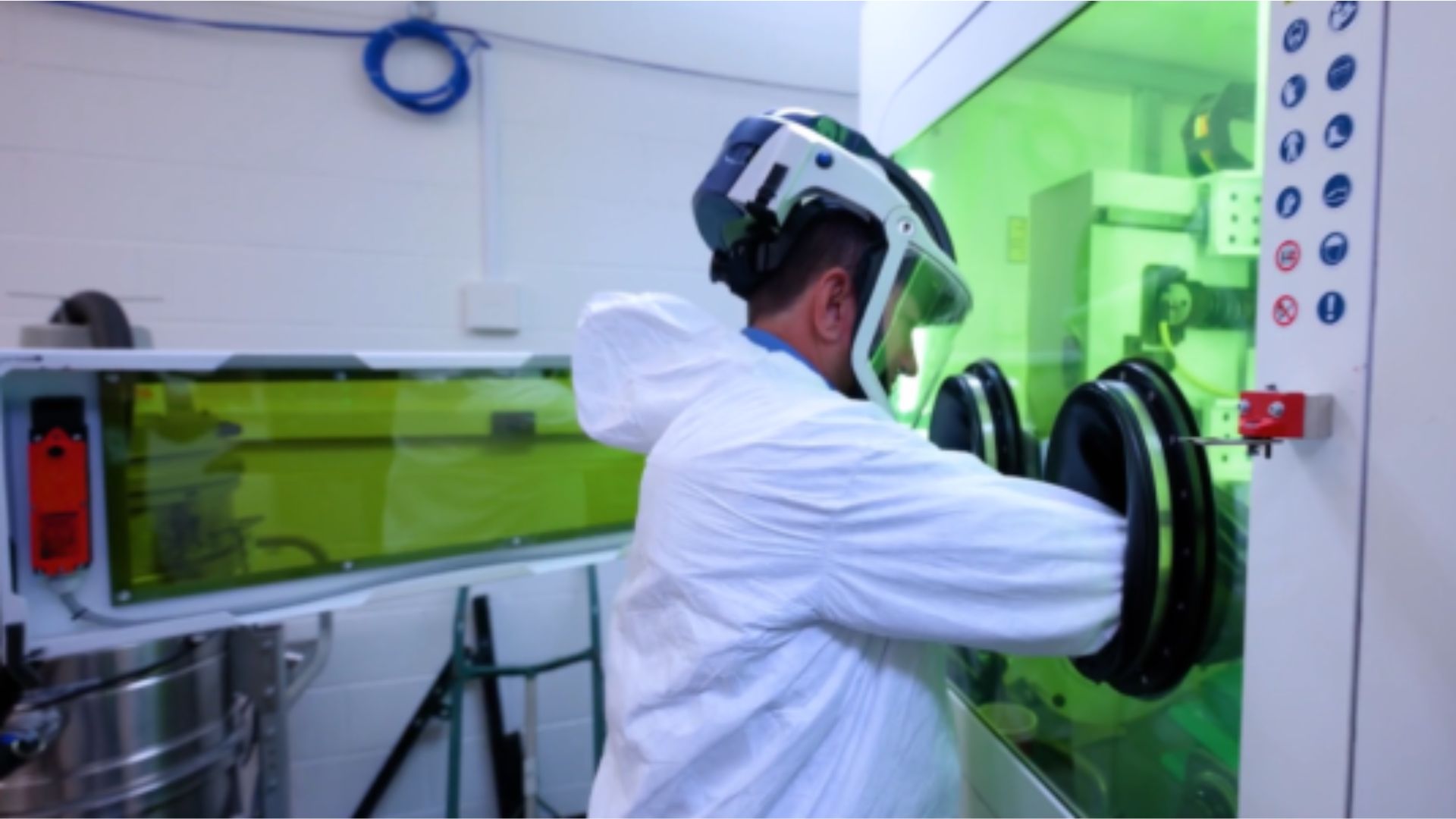
Laser Powder Bed Fusion उपलब्ध सबसे सक्षम धातु 3D printing प्रक्रियाओं में से एक है। एक High-powered laser मिलीमीटर के अंशों में मापा जाने वाले Feature resolution के साथ layer by layer धातु पाउडर को चुनिंदा रूप से संलग्न करता है, जटिल आंतरिक geometries, optimized cooling channels, और अनुकूलित सामग्री संरचना के साथ भाग बनाता है जो ठोस स्टॉक से मशीन करना अव्यावहारिक या असंभव होगा। परमाणु रिएक्टर घटकों के लिए, यह सीधे डिज़ाइन स्वतंत्रता में अनुवाद करता है जिसे इंजीनियर पहले उपयोग करने में सक्षम नहीं थे।
उच्च तापमान और neutron flux के अधीन Reactor घटकों को precise microstructural गुणों के साथ सामग्री की आवश्यकता होती है। पारंपरिक विनिर्माण साधारण geometries में उन गुणों को प्राप्त करने के लिए carefully controlled heat treatment और machining sequences पर निर्भर करता है। LPBF laser parameters के माध्यम से प्रत्येक deposited layer के thermal history को नियंत्रित करके जटिल आकार में समान या बेहतर microstructures बना सकते हैं। परिणाम एक भाग है जो traditional manufacturing quality के साथ मेल खाता है या उससे अधिक है, साथ ही thermal performance में सुधार, weight में कमी, या assembly को सरल करता है।
ASME Code Case प्रक्रिया
ASME Boiler और Pressure Vessel Code संयुक्त राज्य में nuclear facilities में pressure-bearing उपकरण के लिए authoritative तकनीकी मानक है। nuclear safety-related घटकों में उपयोग की जाने वाली सामग्री और प्रक्रियाओं को licensed facilities में शामिल किए जाने से पहले explicit Code Case मंजूरी की आवश्यकता होती है। वह मंजूरी प्राप्त करने के लिए ASME committees को material properties, manufacturing process controls, और non-destructive examination methods पर technical data प्रस्तुत करना आवश्यक है, जो नए Code Cases की समीक्षा करते हैं और मतदान करते हैं।
Argonne का draft Code Case सबमिशन LPBF के लिए उस प्रक्रिया की औपचारिक शुरुआत है। टीम ने LPBF-produced stainless steel और nickel alloy नमूनों पर mechanical properties का डेटा assembled किया है advanced reactor operation से संबंधित temperature range में, और यह दिखाया है कि वे गुण परमाणु service के लिए आवश्यक minimums से मेल खाते हैं या उससे अधिक हैं।
Supply Chain और Design निहितार्थ
विशेष घटकों के लिए nuclear industry की supply chain काफी सीमित है। nuclear-grade forgings, castings, और machined components बनाने में सक्षम manufacturers का दायरा छोटा है, उनकी qualification processes लंबी हैं, और महत्वपूर्ण parts के लिए lead times वर्षों में मापे जाते हैं। इस supply chain병 को advanced nuclear projects को बनाए जाने की गति को सीमित करने वाले कारक के रूप में बार-बार पहचाना गया है।
LPBF विनिर्माण को पारंपरिक nuclear component production के लिए समान specialized foundry infrastructure की आवश्यकता नहीं है। एक बार एक manufacturer को अपनी विशिष्ट LPBF process और equipment के लिए Code Case मंजूरी मिलने के बाद, यह novel reactor components बना सकता है lead times के साथ सरल parts के लिए सप्ताह में मापा जाता है, और जटिल components के लिए वर्षों के बजाय महीनों में।
Advanced Reactor Timeline दबाव
Argonne के Code Case push को advanced reactor deployment के चारों ओर बढ़ती तात्कालिकता प्रतिबिंबित करता है। दर्जन advanced reactor designs — microreactors दूरस्थ locations के लिए, molten salt designs, और high-temperature gas reactors शामिल — NRC review processes के माध्यम से प्रगति कर रहे हैं, इस उम्मीद के साथ कि कुछ को अगले कुछ वर्षों में construction permits मिलेंगे। उन प्रत्येक designs को qualified components की supply chain की आवश्यकता है, और LPBF की अनुपस्थिति को एक approved manufacturing method के रूप में design flexibility पर एक constraint माना गया है।
यदि Code Case normal schedule पर ASME review के माध्यम से आगे बढ़ता है, तो मंजूरी दो से तीन साल में आ सकती है — सबसे advanced next-generation projects के construction timelines के साथ संरेखित करते हुए और एक manufacturing option प्रदान करते हुए जो वर्तमान generation के reactor designs के लिए अस्तित्व में नहीं था।
यह लेख Interesting Engineering द्वारा reporting पर आधारित है। मूल लेख पढ़ें.
Originally published on interestingengineering.com