AI infrastructure की सबसे बड़ी अक्षमताओं में से एक गणना नहीं, बल्कि गर्मी है
Data centers ने 2025 में अनुमानित 485 terawatt-hours बिजली खर्च की, और source material के अनुसार इसका लगभग 30% हिस्सा computing के बजाय cooling पर गया। यह विवरण University of Illinois Urbana-Champaign के शोधकर्ताओं के नए काम के बारे में बताता है। जैसे-जैसे AI systems chip power densities बढ़ा रही हैं और rack-scale deployments अधिक गर्म, अधिक घने, और संचालन के लिए अधिक महंगे होते जा रहे हैं, यह overhead अनदेखा करना कठिन हो गया है।
3D-printed pure copper plates पर आधारित एक नया direct-to-chip cooling approach इस समस्या पर सीधे हमला करने का लक्ष्य रखता है। शोधकर्ताओं का कहना है कि उनकी technology data center भर में cooling-related बिजली खपत को लगभग 30% से घटाकर सिर्फ 1.1% तक ला सकती है।
अगर यह आंकड़ा व्यवहार में भी सही रहा, तो यह AI infrastructure के आसपास उभर रहे अधिक महत्वपूर्ण hardware efficiency gains में से एक होगा।
Cooling अब strategic bottleneck क्यों है
Modern accelerators भारी मात्रा में power consume करते हैं और इलेक्ट्रॉनिक्स के मूल physics के अनुसार लगभग उतनी ही मात्रा में heat के रूप में dissipate करते हैं। source text एक single NVIDIA GB200 chip की ओर इशारा करता है जो 1,200 watts पर काम कर रहा है। इसे हजारों या सैकड़ों हजारों devices पर लागू करें और thermal management की चुनौती facility की economics का केंद्र बन जाती है।
इसीलिए cooling अब background engineering detail नहीं रही। यह data center design, energy procurement, siting, uptime, और denser compute clusters को कितनी तेजी से deploy किया जा सकता है, इन सबको प्रभावित करती है। जैसे-जैसे AI demand बढ़ती है, cooling constraints increasingly तय करते हैं कि क्या बनाया ही जा सकता है।
इसलिए order-of-magnitude gains का वादा करने वाली किसी भी technology पर गंभीर ध्यान देना चाहिए, खासकर अगर उसे पूरी तरह नई facility class की आवश्यकता के बजाय existing direct-to-chip cooling architectures में जोड़ा जा सके।

नई system क्या बदलती है
रिपोर्टेड advance में mathematical design algorithm और additive manufacturing को जोड़कर pure copper cooling plates बनाए गए हैं जो conventional cold plates से बेहतर प्रदर्शन करती हैं। सबसे महत्वपूर्ण बात सिर्फ material नहीं, बल्कि वह internal geometry है जो इस method से बनाई जा सकती है।
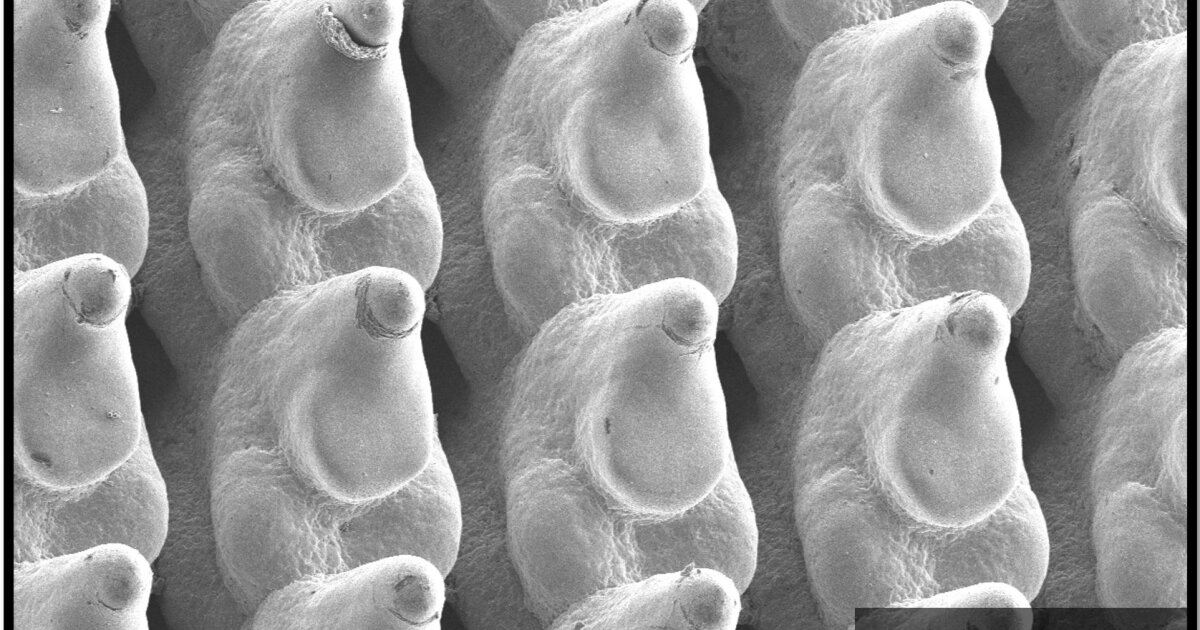
source text के अनुसार, microscope imagery plate surface पर tiny fin structures दिखाती है। ऐसे सूक्ष्म features effective surface area बढ़ाकर और coolant को सबसे गर्म zones पर कैसे बहना है, उसे नियंत्रित करके heat transfer को बहुत बेहतर बना सकते हैं।
Traditional manufacturing engineers को cooling component के अंदर जो shapes बना सकते हैं, उन पर सीमाएं लगाती है। Computational design और 3D printing को मिलाकर शोधकर्ता thermal models के अनुसार सबसे अच्छा काम करने वाले designs और fabrication techniques से वास्तव में बनाए जा सकने वाले designs के बीच का अंतर कम करने की कोशिश कर रहे हैं।
नतीजा एक cold plate architecture है जिसे पुराने thermal management assumptions से अनुकूलित करने के बजाय high-power chips की वास्तविकताओं के लिए डिज़ाइन किया गया है।
दावा की गई बचत इतनी बड़ी क्यों है
मुख्य आंकड़ा heat हटाने की ऊर्जा लागत कम करने से आता है, न कि chips की अपनी power draw कम करने से। एक सामान्य बड़े data center में cooling systems pumps, chillers, air handling, और अन्य support infrastructure के माध्यम से power consume करते हैं। अगर heat को chip level पर अधिक कुशलता से निकाला जा सके, तो thermal stack के बाकी हिस्सों में कम काम की जरूरत होगी।
Direct-to-chip liquid cooling पहले से ही आकर्षक है क्योंकि यह air cooling की कई inefficiencies से बचाता है। Cold plate को बेहतर बनाना उस approach को और अधिक प्रभावी बनाता है। शोधकर्ताओं का कहना है कि नई plates cooling की बिजली हिस्सेदारी को लगभग 1.1% तक ला सकती हैं, जो वर्तमान मानकों की तुलना में नाटकीय सुधार है।
Operators के लिए इसका मतलब lower operating costs, बेहतर power usage effectiveness, और संभवतः energy-constrained environments में compute deploy करने की अधिक गुंजाइश होगा।
यह प्रयोगशाला से आगे क्यों महत्वपूर्ण है
AI infrastructure अब energy policy, utility planning, और public scrutiny से टकरा रही है। Data center growth local grids पर दबाव डाल रही है, decarbonization efforts को जटिल बना रही है, और कंपनियों को नई power strategies खोजने के लिए प्रेरित कर रही है। इसलिए cooling layer पर efficiency gains का महत्व एक सामान्य component improvement से कहीं अधिक है।
अगर cooling को बेहद अधिक कुशल बनाया जा सके, तो operators समान power envelope से अधिक उपयोगी compute निकाल सकेंगे। इससे कुछ capacity bottlenecks टल सकते हैं और उन regions में advanced facilities को siting करना आसान हो सकता है जहाँ बिजली आपूर्ति या grid interconnection सीमित है।
यह उस non-compute energy penalty को भी कम कर सकता है, जिसने AI expansion को विशेष रूप से power-hungry दिखाया है। ऊर्जा का एक तिहाई thermal overhead पर खर्च होना आकर्षक लक्ष्य है। उसका बड़ा हिस्सा घटाना बातचीत बदल देता है।
क्या अभी भी अनिश्चित है
source material इस काम को deployed commercial product के बजाय एक scientific advance के रूप में प्रस्तुत करता है। इसका मतलब है कि scale-up, durability, manufacturability, cost, और production data center systems के साथ compatibility अभी भी खुले प्रश्न हैं।
Hardware breakthroughs अक्सर prototype या subsystem स्तर पर सबसे मजबूत दिखते हैं, फिर supply chains, maintenance, coolant chemistry, और long-duration reliability की जटिलताएँ सामने आती हैं। Pure copper में additive manufacturing भी एक specialized capability है, और व्यापक deployment इस बात पर निर्भर करेगा कि volume पर economics काम करती हैं या नहीं।
फिर भी दिशा स्पष्ट है। Cooling एक first-order computing problem बन गई है, और geometry-aware, manufacturing-enabled thermal design एक भरोसेमंद रास्ते के रूप में उभर रहा है।
बड़ा चित्र
AI boom ने ध्यान models, chips, और power contracts पर केंद्रित किया है। लेकिन जो physical systems उन chips को जीवित रखते हैं, वही अंततः तय कर सकते हैं कि उद्योग कितना compute चला सकता है। Thermal management पहले infrastructure plumbing समझी जाती थी। अब यह frontier का हिस्सा है।
यह copper-plate approach इसलिए आकर्षक है क्योंकि यह एक कठिन सीमा को व्यावहारिक toolset से संबोधित करती है: बेहतर design, बेहतर fabrication, और बेहतर heat transfer जहाँ इसकी सबसे अधिक ज़रूरत है। यह compute को मुफ्त नहीं बनाती, न ही data center energy demand को मिटाती है। यह इससे अधिक मूल्यवान कुछ वादा करती है: उस ऊर्जा का बहुत कम हिस्सा गर्मी प्रबंधन में बर्बाद करने का एक तरीका।
निकट भविष्य में, यही वह तरह का innovation है जिसकी तलाश hyperscalers, cloud operators, और AI infrastructure builders कर रहे हैं।
This article is based on reporting by New Atlas. Read the original article.
Originally published on newatlas.com