आवासीय स्टोरेज में नियंत्रण प्रमुख मानक बनता जा रहा है
अमेरिका में आवासीय बैटरी स्टोरेज को वर्षों तक एक परिचित नजरिए से परखा गया है: कितने सिस्टम लगाए गए, तैनाती कितनी तेजी से बढ़ रही है, और कितनी हार्डवेयर क्षमता घरों तक पहुंच रही है। बाजार के निवेश पक्ष से उभरता एक नया तर्क कहता है कि अब ये मापदंड पर्याप्त नहीं हैं। pv magazine में रिपोर्ट किए गए टिप्पणियों के अनुसार, निवेशक अब इस पर अधिक ध्यान दे रहे हैं कि क्या कंपनियां बैटरी फ्लीट्स का समन्वय कर सकती हैं, ग्रिड बाजारों में भाग ले सकती हैं, और एग्रीगेशन तथा वर्चुअल पावर प्लांट गतिविधि के जरिए टिकाऊ राजस्व उत्पन्न कर सकती हैं।
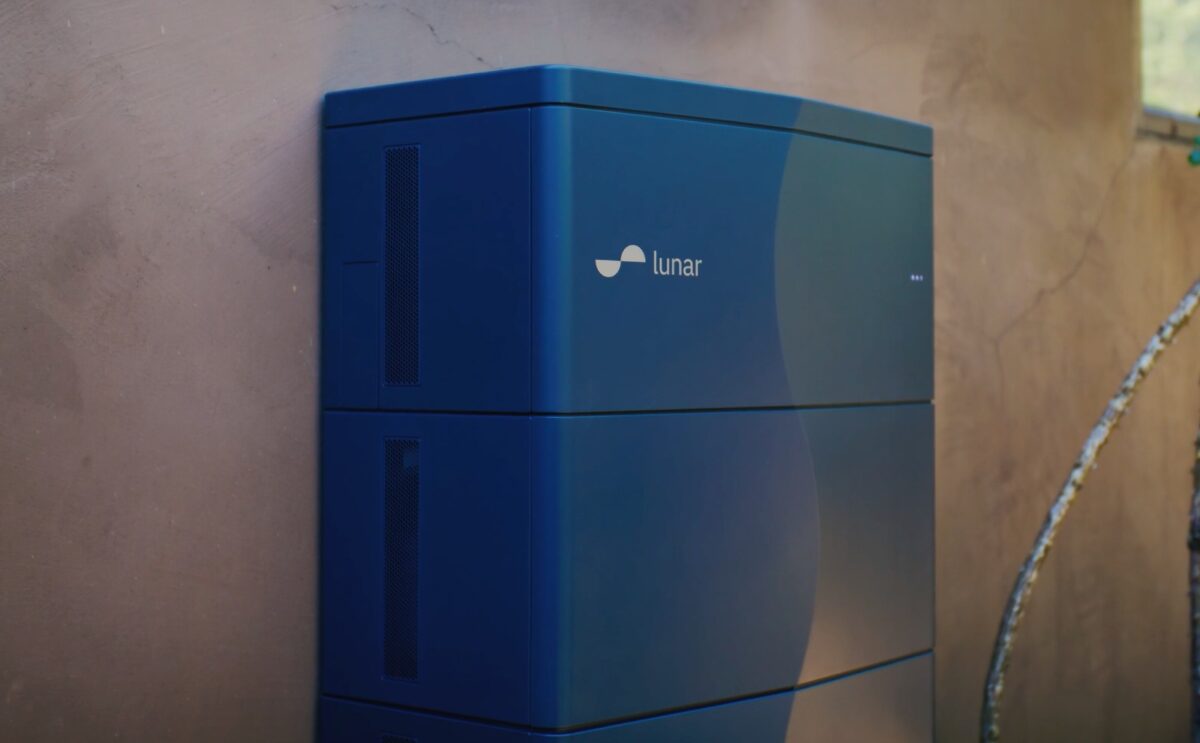
यह बदलाव इसलिए महत्वपूर्ण है क्योंकि यह बदल देता है कि निवेशक क्या खरीद रहे हैं। गैराज में रखा एक बैटरी बॉक्स बैकअप पावर और बिल बचत दे सकता है, लेकिन बैटरियों का एक आपस में जुड़ा फ्लीट एक डिस्पैचेबल ग्रिड एसेट भी बन सकता है। यदि प्लेटफ़ॉर्म ऑपरेटर हजारों उपकरणों का समन्वय कर सके, यूटिलिटी संकेतों पर प्रतिक्रिया दे सके, और प्रणालियों को राजस्व पैदा करने वाले मार्केट कार्यक्रमों में भेज सके, तो मूल्य प्रस्ताव केवल हार्डवेयर बिक्री से कहीं आगे बढ़ जाता है।
रिपोर्ट में प्रस्तुत तर्क के अनुसार, दीर्घकालिक प्लेटफ़ॉर्म अर्थशास्त्र अब कच्ची स्थापना वृद्धि से अधिक महत्व रख सकते हैं। उस ढांचे में, सॉफ्टवेयर अब स्टोरेज हार्डवेयर पर ऊपर चढ़ाई गई एक अतिरिक्त परत नहीं रह जाता। यह वह मुख्य क्षमता बन जाता है जो तय करती है कि एक आवासीय बैटरी एक बार बेचा जाने वाला उत्पाद बनी रहती है या एक सतत ऊर्जा नेटवर्क का हिस्सा बन जाती है।
निवेशक बैटरी वॉल्यूम से आगे क्यों देख रहे हैं
लेख हार्डवेयर-केवल आपूर्तिकर्ताओं और उन कंपनियों के बीच बढ़ते अंतर का वर्णन करता है जो हार्डवेयर को बुद्धिमान सॉफ्टवेयर के साथ जोड़ती हैं। Piva Capital के Mark Gudiksen ने ESS News को बताया कि एक हार्डवेयर विक्रेता भौतिक उपकरण के मूल्य तक सीमित होता है, जबकि एक जुड़ा हुआ प्लेटफ़ॉर्म प्रबंधन में रखी गई हर अतिरिक्त बैटरी के साथ अपने मूल्य में वृद्धि कर सकता है। यह क्षेत्र की एक महत्वपूर्ण पुनर्परिभाषा है।
निवेशकों के लिए इसका निहितार्थ सीधा है। एक शुद्ध हार्डवेयर व्यवसाय विनिर्माण लागत, मूल्य दबाव, और एक-बार की इंस्टॉलेशन अर्थव्यवस्था से सीमित हो सकता है। इसके विपरीत, एक प्लेटफ़ॉर्म व्यवसाय ग्रिड भागीदारी, एग्रीगेशन सेवाओं, और ऊर्जा बाजार अनुकूलन से जुड़े आवर्ती राजस्व को पकड़ने में सक्षम हो सकता है। यदि ये राजस्व धाराएं अधिक पूर्वानुमेय हो जाती हैं, तो आवासीय स्टोरेज केवल उपभोक्ता हार्डवेयर श्रेणी न रहकर एक सॉफ्टवेयर-और-इन्फ्रास्ट्रक्चर व्यवसाय जैसा दिखने लगता है।
यह भी बताता है कि रिपोर्ट ग्रिड की बढ़ती जटिलता पर क्यों जोर देती है। जैसे-जैसे बैटरियों से बैकअप पावर से अधिक काम लेने की अपेक्षा की जाती है, इंटेलिजेंस परत और महत्वपूर्ण हो जाती है। उपकरणों को यूटिलिटी कार्यक्रमों, थोक मूल्य संकेतों, या वर्चुअल पावर प्लांट डिस्पैच घटनाओं पर प्रतिक्रिया देनी पड़ सकती है। ऐसे वातावरण में, अंतर केवल स्थापित परिसंपत्ति की क्षमता नहीं, बल्कि उसके पीछे मौजूद नियंत्रण प्रणाली की परिष्कृति है।
बाजार का परिणाम उन कंपनियों के बीच बढ़ती खाई हो सकती है जो बैटरियां बेचती हैं और उन कंपनियों के बीच जो वितरित ऊर्जा संसाधनों को नेटवर्क के रूप में प्रबंधित करती हैं। निवेशक इस पर अधिक ध्यान दे रहे हैं कि कौन-सा व्यवसाय ग्राहक संबंध का मालिक है, कौन सॉफ्टवेयर स्टैक को नियंत्रित करता है, और कौन जुड़े हुए उपकरणों को दोहराए जा सकने वाली परिचालन आय में बदल सकता है।

वर्चुअल पावर प्लांट स्टोरेज को एक नए मॉडल की ओर खींच रहे हैं
रिपोर्ट विशेष रूप से वर्चुअल पावर प्लांट्स और एग्रीगेशन को उन तंत्रों के रूप में चिन्हित करती है जो आवासीय स्टोरेज को इस नई निवेश-तर्क प्रणाली में खींच रहे हैं। ये मॉडल कई छोटी बैटरियों को मिलाकर एक बड़ा, ग्रिड-प्रासंगिक संसाधन बना देते हैं। हर होम सिस्टम को अलग-अलग परखने के बजाय, ऑपरेटर फ्लीट्स को लचीली इन्फ्रास्ट्रक्चर की तरह देख सकते हैं, जिन्हें तब डिस्पैच किया जा सकता है जब ग्रिड की परिस्थितियां या बाजार कीमतें भागीदारी को आकर्षक बनाती हैं।
यह विचार वर्षों से डिस्ट्रीब्यूटेड एनर्जी सेक्टर में चर्चा में रहा है, लेकिन लेख का संकेत है कि निवेशक अब इसे अधिक गंभीरता से ले रहे हैं। बदलाव केवल वैचारिक नहीं है। यह प्रभावित करता है कि किन कंपनियों को समर्थन मिलता है, उनका मूल्यांकन कैसे होता है, और किन बिजनेस मॉडल्स को स्केलेबल माना जाता है।
इस दृष्टिकोण में इंटीग्रेटेड प्लेटफ़ॉर्म्स को लाभ है क्योंकि वे डिवाइस प्रबंधन, ग्राहक कनेक्टिविटी, बाजार पहुंच, और प्रदर्शन अनुकूलन को एक ही सिस्टम में जोड़ सकते हैं। इससे इंस्टॉलेशन और मोनेटाइजेशन के बीच घर्षण कम होता है। जब कोई बैटरी ऐसे राजस्व पैदा करने वाले फ्लीट का हिस्सा बनकर ऑनबोर्ड, मॉनिटर, और नियंत्रित की जा सके, तो उसका मूल्य बढ़ जाता है, और इसके लिए खंडित थर्ड-पार्टी परतों पर निर्भर रहना नहीं पड़ता।
रिपोर्ट यह भी संकेत देती है कि ग्रिड के साथ संपर्क की आवृत्ति बढ़ रही है। जैसे-जैसे ये इंटरैक्शन अधिक बार और अधिक जटिल होते हैं, सॉफ्टवेयर की गुणवत्ता आर्थिक प्रदर्शन से अलग नहीं रह जाती। यही एक कारण है कि निवेशक उन कंपनियों में अधिक संभावनाएं देख सकते हैं जो सॉफ्टवेयर के जरिए फ्लीट व्यवहार को लगातार बेहतर बना सकती हैं, न कि केवल अपना स्थापित हार्डवेयर बेस बढ़ा सकती हैं।
बाजार के अगले चरण के लिए इसका क्या मतलब है
तत्काल निष्कर्ष यह नहीं है कि बैटरी क्षमता का महत्व खत्म हो गया है। क्षमता अभी भी तय करती है कि कोई उपकरण घर और ग्रिड के लिए क्या कर सकता है। लेकिन निवेशकों का नजरिया बदलता दिख रहा है। अब समन्वय के बिना क्षमता, बुद्धिमान ऑर्केस्ट्रेशन के साथ क्षमता जितनी उत्सुकता नहीं जगा सकती।
इसके सेक्टर पर कई असर हो सकते हैं। पहला, आवासीय स्टोरेज कंपनियों पर यह साबित करने का दबाव बढ़ सकता है कि वे इंस्टॉलेशन के बाद भी मूल्य पैदा कर सकती हैं, न कि सिर्फ शिपमेंट वृद्धि दिखा सकती हैं। दूसरा, वे बिजनेस मॉडल जो सॉफ्टवेयर, हार्डवेयर, और बाजार भागीदारी को जोड़ते हैं, संकुचित उत्पाद-केंद्रित खेलों की तुलना में अधिक ध्यान आकर्षित कर सकते हैं। तीसरा, प्रतिस्पर्धी मानचित्र तेजी से इस पर निर्भर हो सकता है कि बैटरी और बिजली प्रणाली के बीच संचालन परत को कौन नियंत्रित करता है।
यूटिलिटीज और ग्रिड ऑपरेटरों के लिए, यह रुझान ऐसे भविष्य की ओर इशारा करता है जिसमें आवासीय बैटरियों से सक्रिय ग्रिड प्रतिभागियों की तरह काम करने की अपेक्षा की जाएगी। घर मालिकों के लिए, यह अंततः बदल सकता है कि स्टोरेज उत्पाद कैसे बेचे जाते हैं, जिसमें ऑनबोर्डिंग, अनुकूलन, और कार्यक्रम भागीदारी पर अधिक जोर होगा। वित्तपोषकों के लिए, यह एक ऐसे सेक्टर का संकेत है जो आवर्ती-सेवा अर्थशास्त्र की ओर बढ़ रहा है।
व्यावहारिक रूप से, आवासीय स्टोरेज बाजार एक ऐसे चरण में प्रवेश कर सकता है जहां सबसे मूल्यवान परिसंपत्ति घर में पड़ी बैटरी नहीं, बल्कि हजारों ऐसे सिस्टमों को एक समन्वित नेटवर्क में जोड़ने वाला प्लेटफ़ॉर्म हो। यदि यह परिकल्पना सही साबित होती है, तो निवेश का अगला दौर इस बात से कम और इस बात से अधिक संचालित होगा कि कितने बॉक्स भेजे गए, और इस बात से अधिक कि कौन उन बॉक्सों को एक ऊर्जा फ्लीट की तरह व्यवहार करने में सक्षम बनाता है।
- निवेशक एग्रीगेशन, बाजार भागीदारी, और वर्चुअल पावर प्लांट्स से होने वाले दीर्घकालिक राजस्व पर अधिक ध्यान दे रहे हैं।
- रिपोर्ट हार्डवेयर-केवल बैटरी आपूर्तिकर्ताओं और इंटीग्रेटेड सॉफ्टवेयर-प्लस-हार्डवेयर प्लेटफ़ॉर्म्स के बीच अधिक स्पष्ट अंतर खींचती है।
- जो कंपनियां सॉफ्टवेयर परत को नियंत्रित करती हैं, वे ग्रिड इंटरैक्शन के अधिक बार और अधिक जटिल होने के साथ आवर्ती मूल्य हासिल करने की बेहतर स्थिति में हो सकती हैं।
यह लेख PV Magazine की रिपोर्टिंग पर आधारित है। मूल लेख पढ़ें.
Originally published on pv-magazine.com