ट्रांसमिशन को लेकर लंबे समय से चल रहा विवाद अब इस बात पर केंद्रित है कि ग्राहकों को पैसा कब वापस मिलेगा
न्यू इंग्लैंड के गवर्नर और उपयोगिता नियामक Federal Energy Regulatory Commission पर दबाव बना रहे हैं कि वह एक बड़े रिफंड आदेश को तय समय पर आगे बढ़ने दे, और उनका कहना है कि उपभोक्ताओं को राहत के लिए और इंतजार नहीं करना चाहिए, क्योंकि उन्होंने वर्षों तक ऐसे ट्रांसमिशन रिटर्न चुकाए हैं जिन्हें FERC ने बाद में बहुत अधिक माना। यह विवाद अब क्षेत्र के ट्रांसमिशन मालिकों के return on equity से जुड़े लगभग $1.5 अरब के रिफंड पर केंद्रित है।
Utility Dive द्वारा वर्णित एक दायर मामले में, New England Conference of Public Utilities Commissioners ने FERC से अनुरोध किया कि वह Eversource और Avangrid की उस याचिका को खारिज करे, जिसमें रिफंड आदेश पर तब तक रोक लगाने की मांग की गई थी जब तक मुकदमेबाजी जारी है। नियामकों का रुख स्पष्ट है: भुगतान में देरी करने से उन घरों को नुकसान और लंबे समय तक झेलना पड़ेगा, जिन्होंने एक दशक से अधिक समय तक अतिरिक्त लागत वहन की है।
मामला 2011 तक जाता है
यह संघर्ष असामान्य रूप से लंबे समय से चला आ रहा है। स्रोत पाठ के अनुसार, न्यू इंग्लैंड में उपयोगिताओं के transmission return on equity को लेकर पहली शिकायत 2011 में दर्ज की गई थी। तब से यह मुद्दा लगभग 15 वर्षों से मुकदमेबाजी में बना हुआ है, और 19 मार्च के FERC फैसले में क्षेत्र के ट्रांसमिशन मालिकों के लिए आधार return on equity को 10.57% से घटाकर 9.57% कर दिया गया।
यह एक प्रतिशत अंक का बदलाव देखने में छोटा लगता है, लेकिन लंबे समय और बड़े ट्रांसमिशन परिसंपत्ति आधारों पर यह काफी बड़ी रकम बन जाता है। न्यू इंग्लैंड के नियामकों ने कहा कि पहली शिकायत दर्ज होने के बाद से उपयोगिताओं ने ratepayers से $1 अरब से अधिक वसूला। दायर दस्तावेज़ ने इस मुद्दे को घरों पर वर्तमान affordability दबाव से भी जोड़ा।
महत्वपूर्ण बात यह है कि उपयोगिताओं पर किसी तरह के दुराचार का आरोप नहीं है। Utility Dive के अनुसार, FERC ने कोई गलत काम नहीं पाया। इसके बजाय, आयोग ने निष्कर्ष निकाला कि पहले अधिकृत किया गया return बहुत अधिक हो गया था। यह अंतर महत्वपूर्ण है क्योंकि यह विवाद मूल रूप से नियामकीय समायोजन का है, न कि धोखाधड़ी या दुरुपयोग का।

कंपनियों का कहना है कि उन्हें और समय चाहिए
Eversource और Avangrid का तर्क है कि अदालत इस मामले की समीक्षा कर रही है, इसलिए रिफंड प्रक्रिया को रोक दिया जाना चाहिए। FERC पहले ही उपयोगिताओं को रिफंड पूरा करने की 30-दिन की समयसीमा बढ़ाकर 20 मई, 2027 कर चुका था। उपयोगिताओं और ISO New England ने 17 दिसंबर, 2027 तक और लंबी अवधि की मांग की थी।
इसमें शामिल रकम काफी बड़ी है। Utility Dive द्वारा उद्धृत कंपनियों की पिछली फाइलिंग के अनुसार, Eversource की न्यू इंग्लैंड उपयोगिताओं पर लगभग $880 मिलियन के रिफंड बकाया हैं। Avangrid की न्यू इंग्लैंड उपयोगिताओं पर लगभग $203 मिलियन बकाया हैं। ये आंकड़े समझाते हैं कि समय और प्रक्रिया को लेकर कंपनियां और राज्य अधिकारी दोनों क्यों इतनी जोरदार लड़ाई लड़ रहे हैं।
उपयोगिताओं के लिए, रोक लगाने से नकदी सुरक्षित रहेगी और सभी अपील समाप्त होने से पहले रिफंड चुकाने की संभावना टल जाएगी। नियामकों और गवर्नरों के लिए, एक और देरी का मतलब होगा कि ratepayers को विवादित शुल्कों के ऊपर लंबे मुकदमेबाजी की लागत भी उठानी पड़ेगी।
affordability इस तात्कालिकता को बढ़ा रही है
राज्यों की फाइलिंग के पीछे राजनीतिक दबाव स्पष्ट है। बिजली की affordability पूरे Northeast में एक केंद्रीय मुद्दा बन गई है, और ट्रांसमिशन लागत उन घटकों में से एक है जो अंततः घरों और व्यवसायों द्वारा दिए जाने वाले बिल को सीधे प्रभावित करती है। ऐसे माहौल में, इस पैमाने का रिफंड आदेश केवल एक लेखांकन समायोजन नहीं है। यह इस बात की परीक्षा है कि क्या नियामकीय प्रणाली एक लंबे overpayment विवाद के बाद राहत दे सकती है।
राज्यों की फाइलिंग ने ठीक यही बात जोर देकर कही, और तर्क दिया कि रोक लगाने से वर्षों से अनुचित लागत झेल रहे उपभोक्ताओं को अत्यंत आवश्यक राहत देर से मिलेगी और नुकसान और बढ़ेगा। हालांकि स्रोत पाठ में पूरी फाइलिंग शामिल नहीं है, उद्धृत भाषा स्पष्ट करती है कि सार्वजनिक अधिकारी समय को एक प्रक्रियात्मक फुटनोट नहीं, बल्कि एक महत्वपूर्ण उपभोक्ता मुद्दा मान रहे हैं।
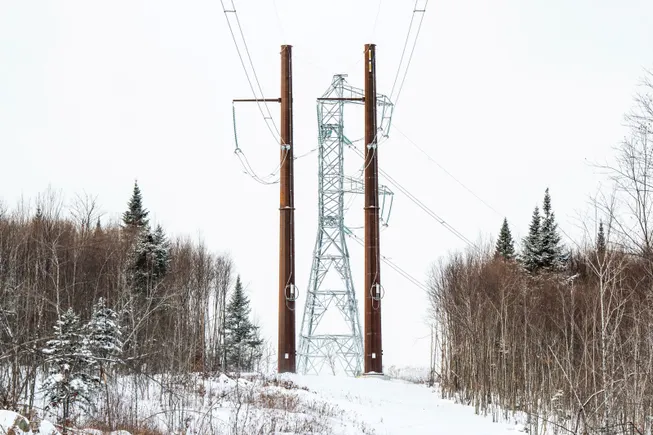
इससे आगे के दांव न्यू इंग्लैंड से भी बाहर जाते हैं। देश भर में ट्रांसमिशन निवेश बढ़ रहा है क्योंकि क्षेत्र नवीकरणीय उत्पादन जोड़ रहे हैं, पुराना उपकरण बदल रहे हैं और क्षमता बढ़ा रहे हैं। Return-on-equity के फैसले यह तय करने में बड़ी भूमिका निभाते हैं कि परियोजनाओं के वित्तपोषण में उपयोगिताओं को कैसी प्रेरणा मिलती है। इस आकार का एक विवादित रिफंड आदेश अन्य क्षेत्रों में उपभोक्ता समर्थकों और ट्रांसमिशन मालिकों दोनों द्वारा बारीकी से देखा जाएगा।

आगे क्या होगा
तत्काल सवाल यह है कि क्या FERC कोई और देरी देता है। अगर नहीं, तो कानूनी चुनौतियां जारी रहने के बावजूद उपयोगिताएं मौजूदा समयसीमा के तहत भुगतान की दिशा में आगे बढ़ती रहेंगी। अगर देता है, तो आयोग यह संकेत देगा कि अनिश्चितता का बोझ कम-से-कम अस्थायी रूप से ratepayers पर बना रहना चाहिए, कंपनियों पर नहीं।
किसी भी स्थिति में, यह मामला दिखाता है कि ऊर्जा नियमन कितना धीरे चलता है और कितनी बड़ी रकम लंबे समय तक विवाद में फंसी रह सकती है। पहली शिकायत के 15 साल बाद भी न्यू इंग्लैंड अभी यह तय कर रहा है कि उचित transmission return क्या होना चाहिए था और ग्राहकों को कब पूरा भुगतान मिलना चाहिए।
उच्च बिलों से जूझ रहे घरों के लिए, यही देरी निराशा का मूल है। राज्यों का FERC को संदेश है कि यह मामला पहले ही बहुत लंबा खिंच चुका है। आयोग का अगला कदम बताएगा कि इस क्षेत्र के वर्षों के सबसे बड़े utility refund विवादों में consumer relief को प्राथमिकता मिलेगी या procedural caution को।
यह लेख Utility Dive की रिपोर्टिंग पर आधारित है। मूल लेख पढ़ें.
Originally published on utilitydive.com