सौर ऊर्जा का अब तक का सबसे बड़ा वर्ष
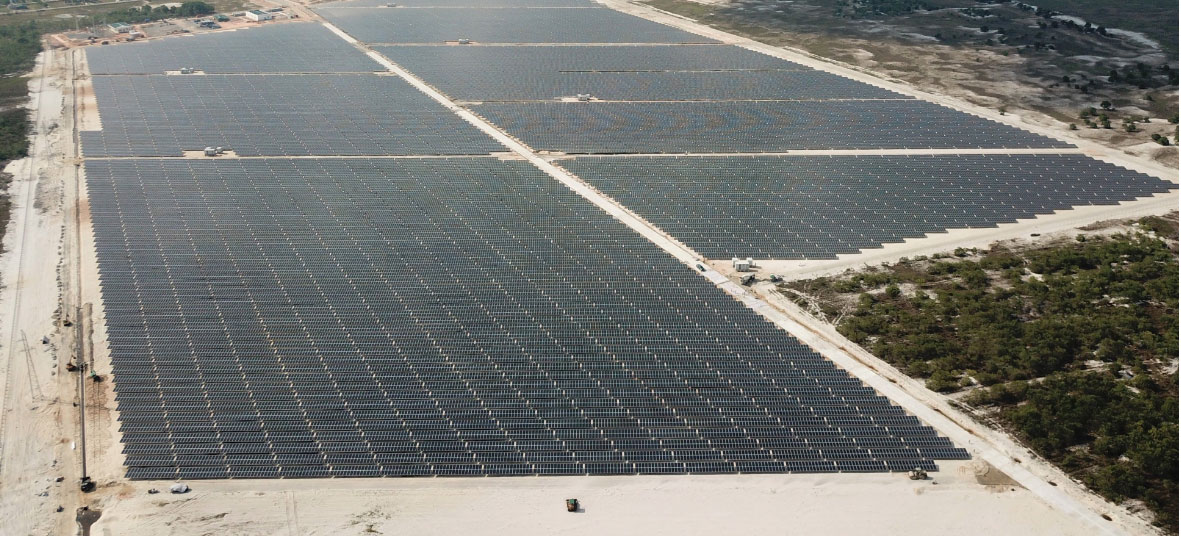
अंतरराष्ट्रीय ऊर्जा एजेंसी की Global Energy Review 2026 के अनुसार, दुनिया ने 2025 में 605 गीगावाट नई सौर फोटोवोल्टिक क्षमता जोड़ी, जिससे वैश्विक बिजली प्रणाली को नया आकार देने वाली असाधारण वृद्धि की अवधि और आगे बढ़ी। इस विस्तार का पैमाना सिर्फ एक और स्थापना रिकॉर्ड बनाने तक सीमित नहीं था। इसने किसी भी ऊर्जा स्रोत के लिए बिजली उत्पादन में अब तक की सबसे बड़ी वार्षिक वृद्धि भी दर्ज कराई, उन वर्षों को छोड़कर जो बड़े वैश्विक झटकों से उबरने से चिह्नित थे।
स्रोत रिपोर्ट के अनुसार, सौर ऊर्जा ने 2025 में 600 टेरावाट-घंटे अतिरिक्त बिजली पैदा की, जिससे कुल सौर उत्पादन लगभग 2,800 टेरावाट-घंटे तक पहुंच गया। इसका अर्थ है कि 2022 के बाद से सौर उत्पादन दोगुने से अधिक हो गया है और अब यह वैश्विक बिजली उत्पादन का 8 प्रतिशत से अधिक हिस्सा है।
ये आंकड़े दिखाते हैं कि सौर ऊर्जा कितनी तेजी से एक तेज़ी से बढ़ते विकल्प से एक प्रणाली-निर्धारक नए बिजली स्रोत में बदल गई है। वर्षों तक नवीकरणीय वृद्धि को अक्सर भविष्य की संभावनाओं के रूप में वर्णित किया जाता था। IEA के ताजा आंकड़े दिखाते हैं कि सौर अब ऐसे पैमाने पर विस्तार दे रहा है, जो वैश्विक उत्पादन आँकड़ों को सीधे बदल सकता है।
600 टेरावाट-घंटे की वृद्धि क्यों मायने रखती है
स्थापित क्षमता एक महत्वपूर्ण संकेत है, लेकिन बिजली उत्पादन अधिक निर्णायक माप है। केवल क्षमता में उछाल ऊर्जा प्रणाली को तभी बदलता है जब वह वास्तविक बिजली उत्पादन में बदल जाए। 2025 में ऐसा स्पष्ट रूप से हुआ।
स्रोत पाठ में कहा गया है कि सौर उत्पादन में 600 टेरावाट-घंटे की वृद्धि किसी भी स्रोत के लिए अब तक की सबसे बड़ी वार्षिक वृद्धि थी, कोविड-19 अवधि जैसी बड़ी आर्थिक बाधाओं के बाद के असामान्य पुनरुत्थान वर्षों को छोड़कर। इससे हालिया सौर वृद्धि अपनी अलग श्रेणी में आ जाती है।
इसका महत्व दोहरा है। पहला, यह दिखाता है कि तैनाती अब सिर्फ कुछ देशों की अलग-अलग सफलता कहानियों तक सीमित नहीं है। दूसरा, यह संकेत देता है कि सौर ऊर्जा अब बिजली मांग की वृद्धि को पूरा करने में increasingly केंद्रीय हो गई है, न कि केवल मौजूदा जीवाश्म-प्रधान प्रणालियों के ऊपर एक स्वच्छ परत जोड़ने तक सीमित।
व्यावहारिक रूप से, इस आकार की छलांग थोक बाजारों, ग्रिड योजना, भंडारण की जरूरतों, विनिर्माण और ऊर्जा सुरक्षा रणनीति को प्रभावित करती है। जैसे-जैसे वैश्विक स्तर पर सौर की हिस्सेदारी 8 प्रतिशत से ऊपर जाती है, इसकी परिवर्तनशीलता एक परिचालन मुद्दा बन जाती है जिसे बिजली प्रणालियों को सक्रिय रूप से प्रबंधित करना होगा, विशेष रूप से ट्रांसमिशन उन्नयन, भंडारण और लचीली मांग के माध्यम से।

नवीकरणीय ऊर्जा ने रिकॉर्ड बनाना जारी रखा, केंद्र में सौर ऊर्जा रही
स्रोत रिपोर्ट में उद्धृत IEA निष्कर्षों के अनुसार, 2025 में वैश्विक वार्षिक नवीकरणीय क्षमता वृद्धि 800 गीगावाट तक पहुंच गई, जो पिछले वर्ष की तुलना में 16 प्रतिशत की वृद्धि थी और नवीकरणीय विस्तार के लिए लगातार 23वां वार्षिक रिकॉर्ड था। इस गति का अधिकांश हिस्सा सौर ऊर्जा ने संभाला।
यह महत्वपूर्ण है क्योंकि यह एक व्यापक पैटर्न को पुष्ट करता है: नवीकरणीय ऊर्जा वृद्धि अब कभी-कभार होने वाली घटना नहीं रही। यह संरचनात्मक बन गई है। लगातार 23 वर्षों के रिकॉर्ड बताते हैं कि यह क्षेत्र केवल अस्थायी सब्सिडी या एक बार की नीतिगत लहरों का लाभ नहीं उठा रहा है। यह घटती लागत, व्यापक विनिर्माण पैमाने और घरेलू रूप से उत्पन्न बिजली की बढ़ती मांग के संयोजन से बढ़ रहा है।
इस कहानी में सौर की भूमिका विशेष रूप से मजबूत है क्योंकि यह मॉड्यूलर है। इसे आवासीय छतों, व्यावसायिक प्रणालियों, यूटिलिटी-स्केल परियोजनाओं और तेजी से भंडारण के साथ भी तैनात किया जा सकता है। यह इसे बाजारों और ग्रिड स्थितियों में असाधारण रूप से अनुकूलनीय बनाता है।
ऊर्जा संक्रमण अब पैमाने की कहानी है
काफी समय तक, सौर पर बहस इस बात पर केंद्रित रही कि क्या यह इतना बड़ा हो सकता है कि मायने रखे। वह बहस प्रभावी रूप से समाप्त हो चुकी है। अब सवाल यह है कि बिजली प्रणालियाँ, बाजार और औद्योगिक नीति इसकी गति के अनुसार कैसे ढलते हैं।
एक ऐसा विश्व जो एक ही वर्ष में 605 गीगावाट सौर जोड़ता है, उस नीति एजेंडा का सामना करता है जो अभी भी सौर की व्यवहार्यता साबित करने की कोशिश कर रहे विश्व से बिल्कुल अलग है। विनिर्माण आपूर्ति श्रृंखलाएँ, भूमि उपयोग, इंटरकनेक्शन कतारें, इन्वर्टर तैनाती, भंडारण एकीकरण और ट्रांसमिशन योजना प्रमुख बाधाएँ बन जाती हैं।
स्रोत रिपोर्ट वृद्धि के पीछे हर क्षेत्रीय कारण का विवरण नहीं देती, लेकिन केवल शीर्षक आँकड़े ही एक ऐसे बाजार का संकेत देते हैं जो संकेंद्रित होने के बजाय व्यापक-आधारित है। 600 टेरावाट-घंटे की उत्पादन वृद्धि सिर्फ घोषित परियोजनाओं से नहीं आती। यह वास्तविक, परिचालन परिसंपत्तियों को दर्शाती है जो इतने स्थानों पर जुड़ी हैं कि वैश्विक उत्पादन को भौतिक रूप से ऊपर ले जा सकें।
यह बदले में औद्योगिक रणनीति में सौर की भूमिका को मजबूत करता है। कम लागत वाली बिजली, ईंधन आयात पर कम निर्भरता और तेज स्वच्छ-ऊर्जा तैनाती चाहने वाले देश अब पीवी विनिर्माण और ग्रिड एकीकरण को केवल पर्यावरणीय नहीं, बल्कि आर्थिक प्राथमिकताओं के रूप में देखने की अधिक संभावना रखते हैं।
सफलता अपनी नई चुनौतियाँ भी लाती है
सौर की तेज़ी लंबे समय से चली आ रही ग्रिड चुनौतियों को भी तीव्र करती है। दिन के समय उत्पादन में बड़ा शिखर कुछ घंटों में कीमतों को नीचे दबा सकता है, उन नेटवर्कों पर दबाव डाल सकता है जो वितरित और परिवर्तनशील बिजली के लिए नहीं बनाए गए थे, और भंडारण तथा लचीली मांग के मूल्य को बढ़ा सकता है। दूसरे शब्दों में, सफलता बुनियादी ढांचे के अनुकूलन को मजबूर करती है।
यह कमजोरी का संकेत नहीं है। यह वही है जो तब होता है जब कोई तकनीक हाशिये से मुख्यधारा में पहुँचती है। दुनिया जितनी अधिक सौर ऊर्जा जोड़ती है, सिस्टम ऑपरेटरों को उतना ही अधिक केवल उत्पादन के बजाय संतुलन, स्थानांतरण और ऊर्जा भंडारण के संदर्भ में सोचना पड़ता है।
इसलिए नवीनतम आंकड़े याद दिलाते हैं कि ऊर्जा संक्रमण अब केवल निर्माण का मामला नहीं है। यह एक सिस्टम का मामला है। रिकॉर्ड पीवी वृद्धि सबसे अधिक तब मायने रखती है जब उसके साथ स्मार्ट ग्रिड, बेहतर इंटरकनेक्शन और प्रचुर नवीकरणीय उत्पादन को कुशलतापूर्वक समाहित करने के लिए पर्याप्त लचीलापन मौजूद हो।
IEA रिपोर्ट एक मील का पत्थर क्यों है
IEA के ताजा आंकड़े सौर ऊर्जा को वह चीज देते हैं जो उसे सार्वजनिक बहस में अक्सर नहीं मिलती: निर्विवाद पैमाने का एक सरल माप। 605 गीगावाट नई पीवी क्षमता और एक ही वर्ष में 600 टेरावाट-घंटे अतिरिक्त उत्पादन कोई हाशिये के संकेतक नहीं हैं। वे विश्व-ऊर्जा संकेतक हैं।
यह उपलब्धि और भी उल्लेखनीय है क्योंकि यह बिजली मांग पर इलेक्ट्रिफिकेशन, डेटा इन्फ्रास्ट्रक्चर, उद्योग और चरम-जलवायु लचीलापन योजना के दबाव के बीच आई है। सौर केवल सैद्धांतिक रूप से संक्रमण लक्ष्यों के साथ तालमेल नहीं रख रहा। यह नई बिजली आपूर्ति में सबसे बड़े वास्तविक-विश्व योगदानकर्ताओं में से एक बनता जा रहा है।
इसका मतलब यह नहीं है कि संक्रमण पूरा हो गया है या सौर अकेले ऊर्जा सुरक्षा और डीकार्बोनाइजेशन चुनौतियों का समाधान कर सकता है। लेकिन 2025 के आंकड़े दिखाते हैं कि पहेली का एक हिस्सा अब असाधारण गति से आगे बढ़ रहा है।
निष्कर्ष सीधा है। ऊर्जा नीति का भविष्य इस बात से कम तय होगा कि सौर कितना बड़े पैमाने पर हो सकता है, और इस बात से अधिक कि क्या बाकी बिजली प्रणाली उसके आसपास इतनी तेजी से विस्तार कर सकती है। 2025 के सबूतों के आधार पर, पीवी पहले ही उस अगले चरण में प्रवेश कर चुका है।
यह लेख PV Magazine की रिपोर्टिंग पर आधारित है। मूल लेख पढ़ें.
Originally published on pv-magazine.com