Women’s diets are being shaped by power as much as by poverty
A new global review argues that one of the most important drivers of women’s nutrition is not simply whether food is available, but whether women have the power to decide what food is bought, prepared, and eaten. The finding points to a persistent blind spot in public health and development policy: efforts to improve nutrition often focus on supply, farming, or household income, while giving less attention to who actually controls resources and decisions inside the home.
The analysis, published through The Conversation and carried by Medical Xpress, draws on a systematic scoping review of 518 studies across 125 low- and middle-income countries. Researchers identified 143 separate drivers affecting women’s diets and used them to build what they describe as the first evidence-based framework of women’s food environments.
The central conclusion is direct. Women’s dietary quality is strongly shaped by agency, meaning their ability to make decisions about food, control household finances, manage their own time, and move freely. In practice, that means nutrition outcomes can remain poor even when calories are available, because women may still lack the authority or flexibility needed to access nutrient-rich food for themselves.
Hidden hunger remains widespread
The study arrives against a severe backdrop. Worldwide, more than two-thirds of women of childbearing age do not get enough of at least one micronutrient, according to the source text. These deficiencies can include vitamins and minerals such as iron, which are needed in small amounts but are essential for health. Because someone can consume enough food to feel full while still missing key nutrients, the problem is often described as hidden hunger.
The consequences are not abstract. The source notes that anemia among women has worsened rather than improved, rising from 28% to 31% since 2012. Anemia is tied to iron deficiency and affects the blood’s capacity to carry oxygen. It disproportionately harms women and children and is associated with fatigue, pregnancy risks, impaired health, and reduced resilience.
The burden is especially heavy in sub-Saharan Africa, where the article says 80% of women of reproductive age are affected by micronutrient deficiencies. More broadly, the gender gap in food insecurity is widening. That trend suggests that even where food systems improve at an aggregate level, women may still be losing out at the household and social levels.

Who eats first still matters
The review highlights a structural problem that many nutrition programs can miss: food decisions are rarely neutral. In many low-resource settings, men or older women may control food spending, while cultural norms can dictate that others in the household eat before younger women do. As a result, a woman may live in a home with food on hand and still have limited access to the foods most important to her health.
Younger women with lower status appear to face some of the greatest barriers. The source text points to three recurring constraints: reduced control over financial resources, less time because of unpaid labor, and restricted mobility. Those factors reinforce one another. A woman who cannot decide how money is spent, has little time to shop or cook for herself, and faces limits on movement is also less able to improve her own diet.
This helps explain why conventional interventions sometimes underperform. Agricultural programs may raise production. Cash or food support may increase household resources. Nutrition campaigns may improve awareness. But if women still cannot direct spending, choose foods, or protect time for their own needs, benefits may be diluted before they reach the person at highest risk.
A broader definition of the food environment
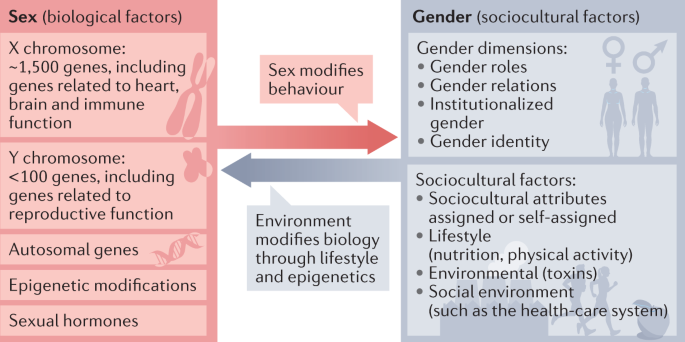
The research pushes the concept of the food environment beyond markets, prices, and availability. For women, the effective food environment also includes social power, domestic labor, and everyday autonomy. That is a meaningful reframing because it shifts the question from “Is nutritious food present?” to “Can this woman actually obtain and consume it?”
That distinction has policy implications. Governments, donors, and health systems often measure success through indicators such as crop output, food access, or household income. Those metrics matter, but the review suggests they are incomplete on their own. Programs may need to account more directly for decision-making power inside households, gendered workloads, and freedom of movement if they want to improve women’s nutrition in durable ways.
It also implies that food insecurity cannot be solved only through a supply-side lens. A household-level average can conceal unequal distribution. A community may appear served by markets, subsidies, or agriculture programs while many women remain nutritionally vulnerable because the social rules governing food have not changed.
Why the findings matter now
The importance of the review lies not in a single new statistic, but in the synthesis of evidence across countries and contexts. By assembling findings from 518 studies, the researchers argue that women’s nutrition should be understood as a systems issue where biology, economics, household bargaining, and gender norms intersect.
That does not mean food availability or income are unimportant. It means they are not sufficient. If agency is a leading determinant of diet quality, then nutrition policy that ignores agency may repeatedly miss the same target. Interventions aimed at reducing anemia, improving maternal health, or closing micronutrient gaps may need to include women’s control over money, time, and decisions as core design features rather than side considerations.
For public health, the message is practical as well as political. Improving women’s diets may require more than distributing supplements or boosting production. It may also require changing who decides what gets purchased, who has time to prepare or obtain food, and whose nutritional needs are prioritized inside the household.
After decades of intervention, persistent malnutrition among women suggests that technical solutions alone have limits. This review argues that the next gains may depend on something less often counted but no less material: power over everyday life.
This article is based on reporting by Medical Xpress. Read the original article.
Originally published on medicalxpress.com