Ten years later, the therapy is still there
A new report in Nature Medicine points to an unusually long biological footprint for one of cancer medicine’s most closely watched treatment platforms. According to the study’s title and excerpt, researchers analyzing longitudinal blood samples found that CD19 CAR T cells could still be detected at least 10 years after treatment in patients with B cell lymphomas.
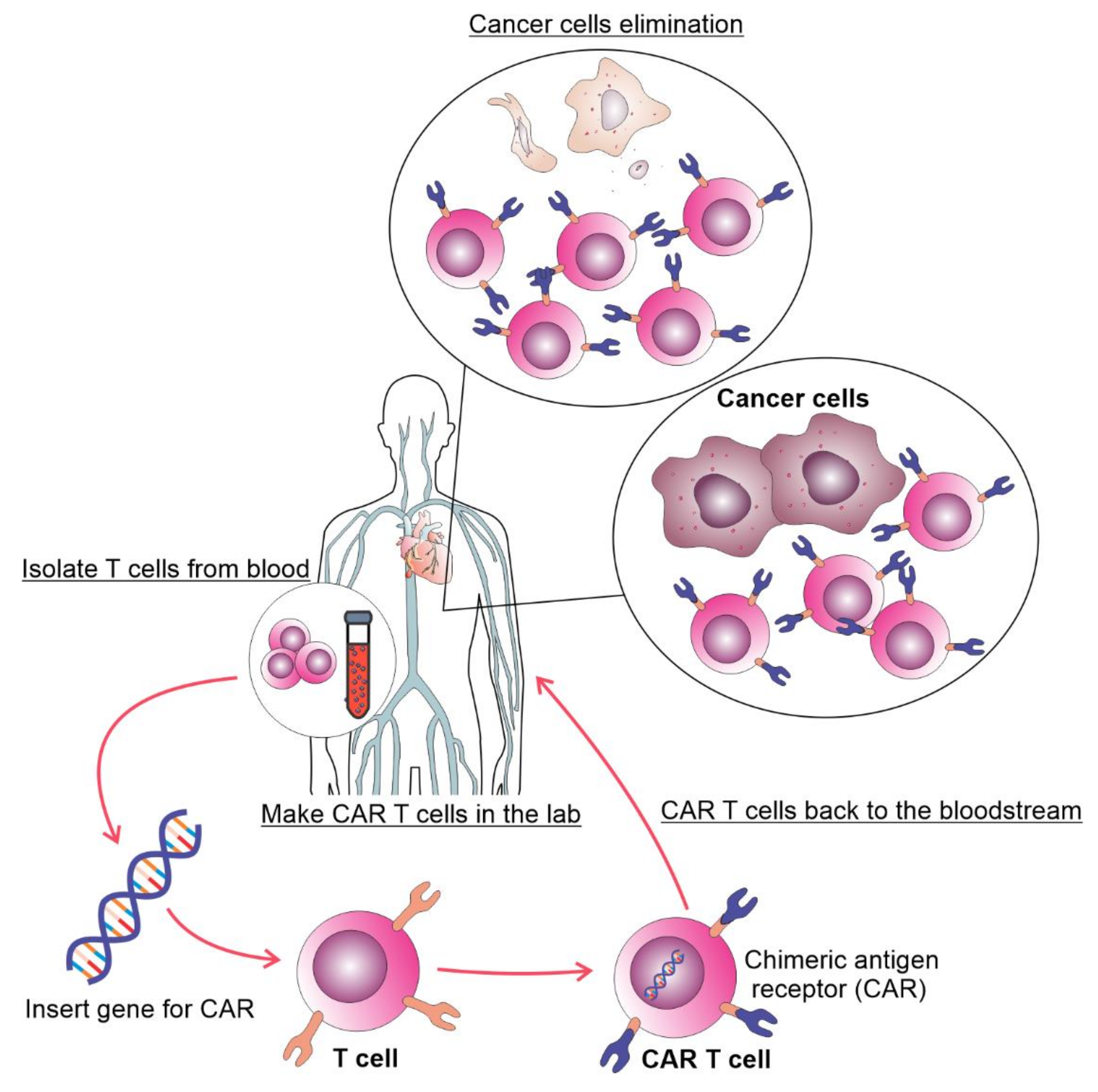
That single finding carries weight because CAR T-cell therapy is designed to do more than deliver a one-time drug exposure. It reprograms a patient’s own immune cells to recognize a target, in this case CD19, and then sends those cells back into the body. When those engineered cells remain detectable many years later, the result suggests that the treatment may have a much longer-lived presence than conventional therapies that are metabolized and cleared.
The study’s framing matters as much as the time span. The excerpt says the conclusion comes from longitudinal blood samples, meaning the researchers followed patients over time rather than relying on a single late snapshot. That kind of repeated sampling gives persistence claims more credibility because it ties the result to ongoing observation rather than an isolated laboratory finding.
Why persistence matters in cell therapy
Persistence has long been one of the central questions around CAR T therapy. The field has produced dramatic responses, but durability has remained a practical and scientific concern. If engineered cells disappear quickly, the body may lose a key line of defense against disease recurrence. If they persist, researchers gain evidence that the therapy can remain biologically active long after infusion.
This study does not, based on the supplied material, make claims about cure rates, relapse prevention, or which patients benefited most. But it does establish a milestone that will be difficult for the field to ignore: a decade-scale signal showing that the engineered cells themselves can remain present over a very long period.
That matters for several reasons. First, it informs expectations for long-term follow-up. Patients and clinicians increasingly want to know not just whether a therapy works in the first months, but what its presence looks like many years later. Second, it adds a data point to the design of future cell therapies, where persistence is often treated as a feature to optimize. Third, it reinforces the idea that cell therapies should be evaluated on timelines that look more like chronic biological interventions than short-course medicines.

A benchmark for the broader CAR-T field
The result also lands at a time when cell therapy has moved from a breakthrough concept into a platform with multiple commercial and clinical paths. In that environment, long-term biological persistence becomes a benchmark. Developers want therapies that expand, endure, and continue to patrol for disease. Regulators and treatment centers want to understand what long-lived engineered cells mean for monitoring and safety. Researchers want to know which product designs and patient factors are associated with extended durability.
Even with the limited details available from the candidate material, the study appears to contribute to that benchmark directly. It is not merely reporting a response observed shortly after treatment. It is reporting detectability at least a decade later. That is a stronger statement about the therapy’s staying power than most short-horizon updates can offer.
The publication venue is notable as well. Nature Medicine is one of the higher-profile journals for translational and clinical medical research. While the supplied source text does not include the full methods or patient counts, the appearance of the study there suggests the work is being presented as a substantive contribution to the medical literature rather than as an early conference observation.
What the study does and does not say
Precision matters here. The excerpt says the cells “can be detected” at least 10 years after treatment. Detectability is not the same as proving identical levels across all patients, nor does it automatically answer whether the cells remained fully functional throughout that period. It also does not, on its own, settle broader questions about which lymphoma subtypes were included, how many patients were followed, or what proportion showed the effect.
Those unanswered questions are not a weakness in the finding itself. They simply define the limits of what can be said from the supplied source material. The core takeaway is still significant: in at least some treated patients, the engineered CD19 CAR T cells remained present at a timescale that reaches into a second decade.
That kind of durability has implications beyond lymphoma. Cell therapy developers across cancer, autoimmune disease, and regenerative medicine are all grappling with a version of the same strategic question: should a therapeutic cell product act briefly and then fade, or should it persist as a long-term living intervention? Evidence of decade-long persistence in an established oncology setting will inevitably inform those debates.

Why this finding stands out now
Cancer treatment has steadily moved toward precision, but durability remains the standard by which real advances are judged. Many therapies can produce an early signal. Far fewer can demonstrate a biological effect that is still measurable 10 years later. That is why this study stands out even from a sparse excerpt.
The finding may also shape how the field talks about survivorship. Long-term cancer survivors who received advanced cell therapies are not only living with the memory of treatment; according to this report, some may still carry detectable traces of the engineered immune response itself. For clinicians, that raises practical questions about monitoring. For researchers, it creates an unusually long observational window into how living medicines behave over time.
There is a broader symbolic dimension as well. CAR T therapy has often been described as a turning point in personalized cancer care, but the field is still building its long-range evidence base. Ten-year persistence helps convert the promise of a “living drug” from a metaphor into a measurable clinical reality.
More detailed interpretation will depend on the full paper’s data, including cohort size, detection methods, and the relationship between persistence and patient outcomes. But even at headline level, the message is clear: one of the flagship technologies of modern cancer treatment is showing signs of remarkable longevity in the body. That is the kind of result that can influence both scientific priorities and clinical expectations for years to come.
This article is based on reporting by Nature Medicine. Read the original article.
Originally published on nature.com