Operating Room Stress Starts Before the First Incision
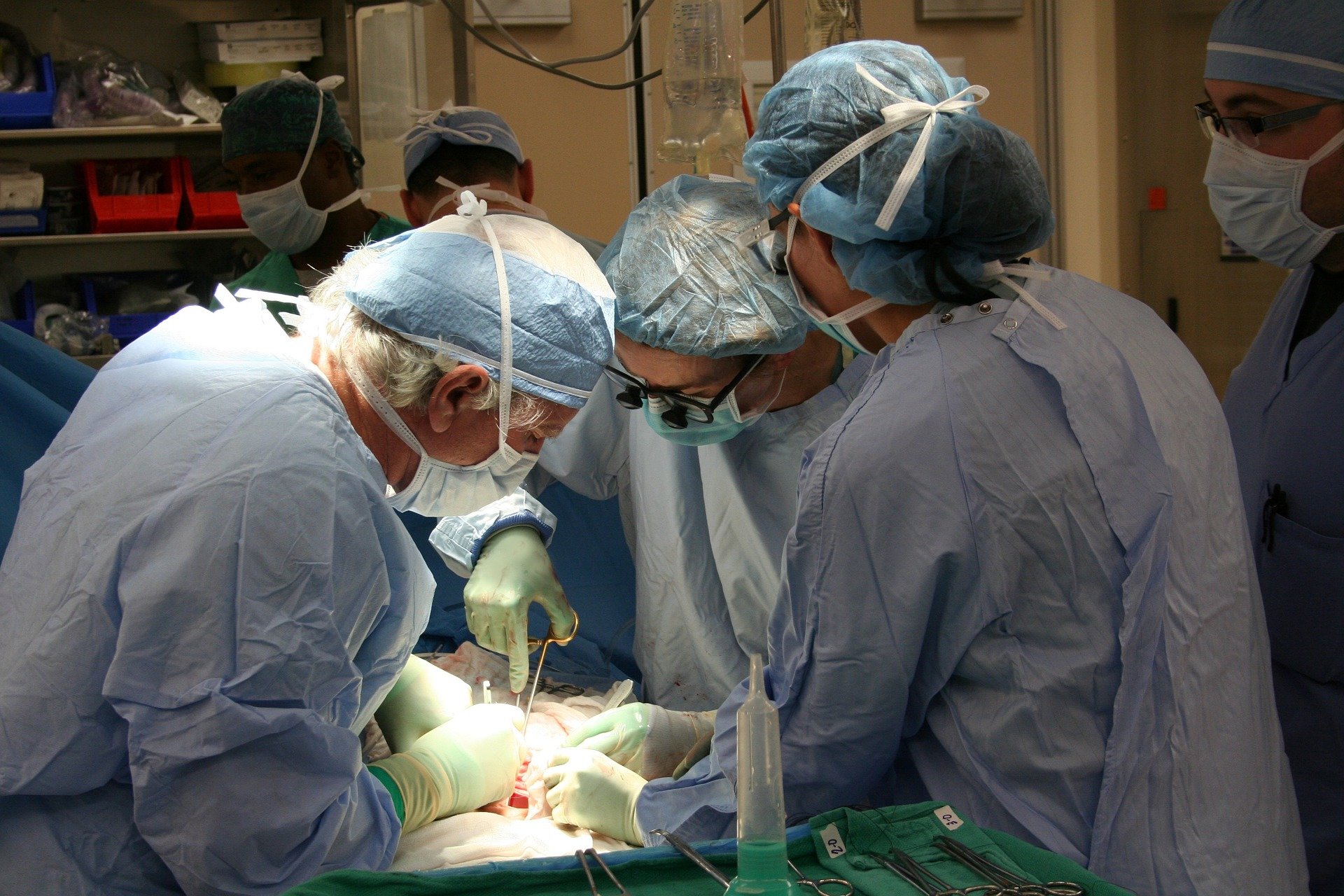
Surgical performance is usually judged by technical skill, experience and outcomes. But new research from Leiden University argues that another factor has a major effect on how an operation unfolds: leadership. In findings published in Current Problems in Surgery, researchers say a surgeon’s behavior under pressure can shape the stress level of the entire operating room team, influencing how well people communicate, adapt and recover when a procedure becomes difficult.
The study draws on 100 hours of observations in operating rooms and interviews with 32 health care professionals. Rather than treating stress as an unavoidable background condition, the researchers examined how it emerges from a mix of clinical complications, team dynamics and organizational pressures such as scheduling and workload. Their conclusion is straightforward: people do use mental and behavioral techniques to steady themselves during high-pressure moments, but those techniques work best when the team leader creates conditions that support them.
That shifts the discussion away from the idea that composure in surgery is simply a personal trait. The researchers argue that performance under pressure begins before a case starts, becomes visible during the procedure and gains practical value only when the team reflects afterward. In that framing, stress management is not a side issue to surgical excellence. It is part of how excellence is built.
Three Sources of Pressure Inside the OR
The Leiden team focused on three broad sources of pressure. The first was the most obvious: complications during surgery. Unexpected bleeding, anatomical surprises or technical setbacks can force rapid changes in plan and test the judgment of the entire team. The second source was teamwork itself, including how people coordinate, interpret signals and respond to one another. The third involved organizational pressure, from workload to planning demands that can carry tension into the room before a procedure even begins.
Staff described and demonstrated a range of self-regulation strategies. These included preparing in advance for different scenarios, narrowing attention to the most important task in the moment and actively regulating emotional responses. Those habits can help clinicians keep functioning when a procedure becomes unstable. But the study’s central point is that individual coping strategies are only part of the picture.
According to the researchers, a surgeon’s conduct can amplify stress across the room or help contain it. Small behavioral cues matter. When a lead surgeon reacts to difficulty with visible frustration, swearing or ranting, the tension can spread quickly through the team. By contrast, naming frustration clearly and calmly can help others understand what is happening and adjust their own responses without added confusion.
That finding matters because senior clinicians may assume their internal state is less visible than it really is. The study suggests the opposite. Surgeons who think they are merely managing their own stress may in practice be setting the emotional temperature for nurses, anesthesiology staff and other team members around them.

Why Leadership Before Surgery May Matter More Than It Looks
One of the more practical findings concerns what happens before the operation starts. The researchers see room for stronger leadership in the mandatory briefing that precedes surgery. These briefings often concentrate on procedural essentials such as the patient, the planned intervention and allergies. The Leiden team argues that this is necessary but incomplete.
A more effective preoperative briefing, in their view, should also prepare the team for pressure. That could mean surfacing likely complications, clarifying roles if the case changes direction and creating a shared mental model of how the team will work together if things deteriorate. This kind of preparation does not eliminate uncertainty, but it can reduce the cognitive scramble that occurs when stress hits and people are forced to improvise without a common frame.
The implication is that leadership is not only tested in dramatic moments. It is built in quieter moments, when expectations are set and people are given the confidence to speak up. A well-run briefing may improve technical execution indirectly by improving the social environment in which technical decisions are made.
The study also emphasizes reflection after the procedure. Postoperative discussion is where teams can make sense of what happened, identify where stress built unnecessarily and translate experience into future practice. Without that step, even a successful operation may yield limited organizational learning.
From Individual Resilience to Team Design
The broader importance of the study is that it reframes resilience in the operating room. Health systems often talk about individual stamina, mental toughness or burnout prevention. The Leiden research points toward something more structural: stress is not just carried by individuals, it is shaped by leadership and team design.
That distinction could matter for training. If a surgeon’s communication style affects the entire team, then leadership skills should not be treated as optional polish added after technical mastery. They are part of safe performance. Training programs may need to put more weight on emotional regulation, briefings, debriefings and the ability to communicate strain without destabilizing others.
For hospitals, the findings also connect human behavior to operational systems. Planning pressure and workload were among the sources of stress studied, suggesting that the emotional climate of the operating room cannot be separated from the institution around it. A team may be technically strong and still perform below its best if schedules, staffing or organizational expectations keep feeding pressure into the room.
What the Leiden researchers offer is not a claim that leadership alone determines outcomes. Surgery remains a technically demanding field where complexity and uncertainty cannot be trained away. But the study does make a compelling case that leadership changes how teams absorb that uncertainty. In a setting where seconds, signals and judgment all matter, the ability to lower unnecessary stress may be one of the most practical forms of safety improvement available.
This article is based on reporting by Medical Xpress. Read the original article.

Originally published on medicalxpress.com