A new target for Parkinson’s research
Mayo Clinic researchers have launched a clinical trial examining whether targeted, low-dose radiation therapy can address brain inflammation associated with early-stage Parkinson’s disease. The study is described as the first to investigate low-dose radiation as an anti-inflammatory approach in people with the condition.
The trial is not designed around the conventional use of radiation therapy. Radiation is most often associated with cancer treatment, where higher doses are intended to damage tumour cells and prevent their growth. In this study, researchers are investigating a much lower, targeted dose with a different proposed purpose: reducing inflammation in affected parts of the brain.
That distinction matters because Parkinson’s disease currently has no cure. Available care focuses on managing symptoms with medicines and, for some people, procedures including focused ultrasound or deep brain stimulation. The Mayo study is exploring whether an intervention could affect a biological process associated with disease progression rather than only respond to symptoms after they emerge.
Why inflammation is under study
Parkinson’s disease is a nervous-system movement disorder that worsens over time. It can lead to slowed movement, tremors, muscle stiffness, and problems with balance and posture. People with Parkinson’s can also experience cognitive changes, fatigue, depression, and anxiety.
The disease is associated with the gradual loss of brain cells that produce dopamine, a chemical involved in controlling movement, as well as with the buildup of abnormal proteins in and around brain cells. Researchers are continuing to investigate the causes of Parkinson’s and the factors that drive its progression.
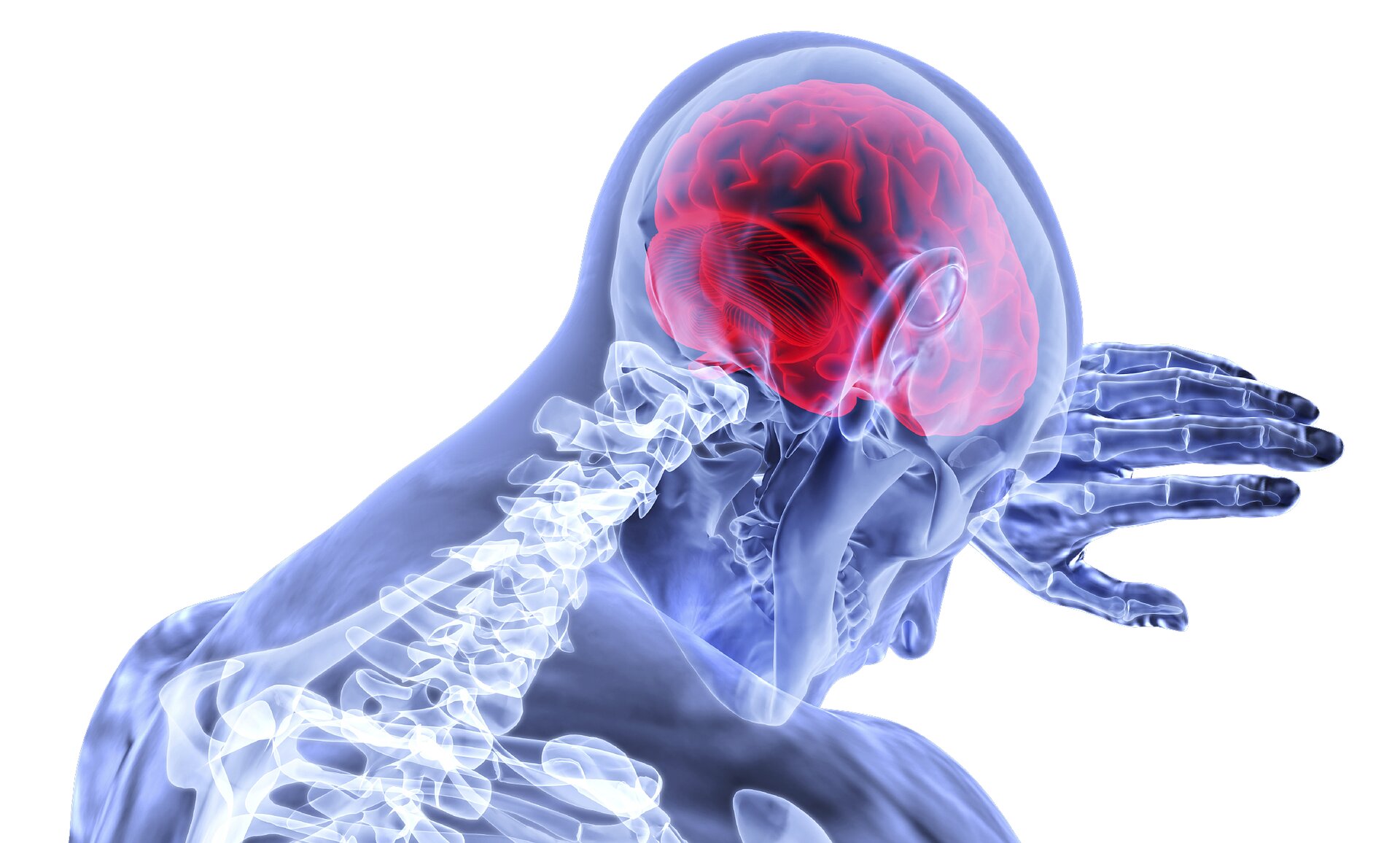
Inflammation is believed to play an important role in that disease process. Yasamin Sharifzadeh, a Mayo Clinic radiation oncologist and the trial’s principal investigator, said the research is examining whether low-dose radiation can affect an underlying biological process associated with Parkinson’s and potentially slow the worsening of symptoms.
The wording is important: the trial is studying a possibility, not reporting a demonstrated treatment benefit. Whether radiation can safely alter inflammation in a meaningful way for patients, and whether any such change affects clinical progression, are questions the study is intended to investigate.

A deliberately different use of radiation
The project places a familiar medical technology in a new clinical context. In cancer care, radiation therapy generally uses doses intended to injure cancer cells. The Mayo trial instead focuses on low, targeted doses and on their possible anti-inflammatory effect.
That makes the study an attempt to test a disease-modifying hypothesis. A treatment that manages tremor or stiffness can still be valuable, but it does not necessarily change the processes linked to the condition’s progression. The investigators are asking whether reducing inflammation in affected brain areas could influence one of those processes.
The trial is focused on patients with early-stage Parkinson’s disease. That focus reflects the study question rather than a claim that the approach is effective at that stage. Clinical research is needed to establish how an experimental intervention performs in the people being studied.
Parkinson’s is not one uniform condition
Rodolfo Savica, a Mayo Clinic neurologist and study investigator, noted that Parkinson’s disease is not a single uniform condition. It is a collection of related disease subtypes that may differ biologically. That diversity complicates efforts to find a universal treatment.
For researchers, this is a central challenge. A biological pathway that is important in one group of patients may not carry the same weight in another. The new trial therefore sits within a broader effort to better understand both the mechanisms of Parkinson’s and the differences among people diagnosed with it.
It also highlights a shift in the questions being asked in the field. Instead of treating Parkinson’s only as a set of movement symptoms, researchers are investigating processes linked to brain-cell loss, abnormal proteins, and inflammation. Those processes may overlap, but the source material does not establish that targeting inflammation with radiation will resolve them.

What the trial can and cannot establish
A clinical trial is an investigation, not a treatment recommendation. The Mayo researchers are testing whether low-dose radiation can lower inflammation and whether addressing that inflammation may slow the worsening of symptoms. The study does not mean radiation therapy has been established as a standard Parkinson’s treatment.
Its significance lies in the hypothesis it puts into clinical testing. If inflammation is an important part of Parkinson’s disease biology, a targeted anti-inflammatory strategy could offer a route for studying whether that biology can be influenced. If the approach does not show the intended effects, the findings would still help clarify the limits of that strategy.
For now, the trial adds an unusual and carefully framed line of inquiry to Parkinson’s research: using a technology best known for cancer treatment at a much lower dose to investigate inflammation in the brain. The outcome will depend on evidence generated through the study, not on the rationale alone.
This article is based on reporting by Medical Xpress. Read the original article.
Originally published on medicalxpress.com