COSMOS Trial Delivers Striking Results
Daily multivitamin supplementation has been shown to slow biological aging as measured by epigenetic clocks, according to results from a prespecified analysis of the COSMOS randomized clinical trial published in Nature Medicine. The finding represents a major advance for the supplement field, providing the first rigorous evidence from a large-scale randomized trial that a widely available and inexpensive intervention can modify biomarkers of aging.
The COSMOS trial, which stands for Cocoa Supplement and Multivitamin Outcomes Study, enrolled over 21,000 participants and was originally designed to assess the effects of cocoa extract and multivitamins on cardiovascular disease and cancer. The epigenetic aging analysis was a prespecified ancillary study, meaning it was planned before the trial began and benefits from the same rigorous randomized design.
What Epigenetic Clocks Measure
Epigenetic clocks are algorithms that estimate biological age based on patterns of chemical modifications to DNA, specifically methylation marks at specific sites across the genome. Unlike chronological age, which simply counts years since birth, biological age reflects the actual state of cellular aging and has been shown to predict mortality, disease risk, and functional decline better than chronological age alone.
Several different epigenetic clocks have been developed, each using different sets of methylation sites and algorithms. The COSMOS analysis used multiple validated clocks, including the Horvath clock, the GrimAge clock, and the DunedinPACE measure, which estimates the pace of aging rather than absolute biological age. Consistency across multiple clocks strengthens the finding.

The Results
Participants randomized to daily multivitamin supplementation showed a statistically significant deceleration in epigenetic aging compared to those receiving placebo over the two-year study period. The DunedinPACE measure, which captures the rate of biological aging, showed the most pronounced effect, suggesting that the multivitamin was slowing the ongoing process of aging rather than simply resetting a baseline measurement.
The effect size was modest but meaningful. Researchers estimated the multivitamin group aged approximately 1.8 percent more slowly per year than the placebo group based on DunedinPACE. Over a lifetime, such a difference could translate into meaningful extensions of healthspan, the period of life spent in good health.
Notably, the cocoa extract supplementation tested in the same trial did not show significant effects on epigenetic aging, providing a built-in negative control that reinforces the specificity of the multivitamin finding.
Why This Matters
The supplement industry has long made claims about anti-aging benefits that outstrip the available evidence. Most anti-aging supplements rely on animal studies, small human trials, or mechanistic arguments rather than rigorous randomized controlled trials. The COSMOS epigenetic analysis changes this dynamic by providing evidence from the gold standard of clinical research design.
The fact that a common, inexpensive daily multivitamin, rather than an exotic compound or expensive regimen, showed the effect is particularly significant for public health. Multivitamins are widely available, generally affordable, and have established safety profiles. If the epigenetic benefits translate into reduced disease and extended healthspan, the population-level impact could be substantial.
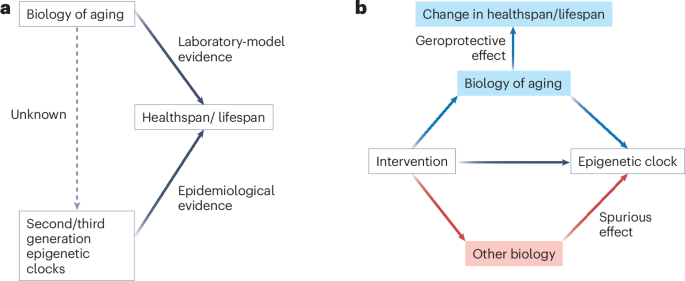
However, researchers emphasize an important caveat: the study demonstrates that multivitamins can modify epigenetic clock measurements, but it does not yet prove that this modification leads to longer or healthier lives. Epigenetic clocks are validated as biomarkers of aging, but whether interventions that alter clock measurements actually change aging outcomes remains an open and critical question.

Mechanism Questions
The biological mechanism by which a multivitamin might slow epigenetic aging is not fully understood. Several components of multivitamins have known effects on DNA methylation, the chemical modification that epigenetic clocks measure. B vitamins, particularly folate, B6, and B12, are essential cofactors in the one-carbon metabolism pathway that directly supplies the methyl groups used in DNA methylation.
Deficiencies in these vitamins can disrupt methylation patterns, and supplementation may restore optimal methylation maintenance. Other micronutrients including zinc, vitamin C, and vitamin D also play roles in epigenetic regulation through various enzymatic pathways.
It is possible that the multivitamin is not actively slowing aging per se, but rather correcting subclinical micronutrient deficiencies that were accelerating it. Many adults have insufficient intake of one or more essential vitamins and minerals, and addressing these deficiencies may allow the body's natural maintenance systems to function optimally.
What Comes Next
The research team is continuing to follow COSMOS participants to assess whether the epigenetic changes correlate with clinical outcomes over longer time periods. They are also investigating which specific components of the multivitamin are most responsible for the effect, which could lead to more targeted formulations.
The broader aging research community is likely to treat these results as a starting point rather than a final answer. If epigenetic aging can be modified by something as simple as a daily multivitamin, it raises the tantalizing possibility that more potent interventions could produce larger effects. For now, the finding adds a new and unexpected dimension to the long-running debate about whether most adults should take a daily multivitamin.
This article is based on reporting by Nature Medicine. Read the original article.

Originally published on nature.com