A deadly but uncommon mosquito-borne threat is back in focus
Health authorities in Australia’s Northern Territory have issued warnings for residents and visitors to avoid mosquito bites after two people from Alice Springs died from Murray Valley encephalitis. The warning, reported by Medical Xpress from a Conversation article by Cameron Webb and Bart J. Currie, is a reminder that in Australia mosquitoes can be far more than a seasonal nuisance.
The public health message is direct because the medical options are limited. The supplied source text says there is no vaccine for Murray Valley encephalitis, meaning prevention depends on preventing mosquito bites in the first place.
What Murray Valley encephalitis is
The virus takes its name from the Murray Valley in southeastern Australia, where it was first identified in patients who died during an outbreak in 1951. The source text says infections are rare, but they can be deadly.
Most people infected do not develop symptoms. But for those who do, the consequences can be severe. The reported symptom range runs from fever and headache to encephalitis, which is inflammation of the brain, and in the worst cases can include coma and paralysis. The article says around 40% of people who develop symptoms do not fully recover and about 25% die.
Those figures help explain why even a small number of cases can trigger a serious warning. This is not a virus that spreads broadly and lightly. It is a virus that is often silent, but can be devastating when it causes disease.

How the virus moves
According to the supplied source text, the virus circulates between water birds and mosquitoes, most commonly Culex annulirostris, though a small number of other mosquito species may also be involved. That ecological cycle is important because it means the risk is shaped not only by human behavior, but by environmental conditions that support mosquito populations and bird movement.
The virus is detected most years in northern Australia, especially the Kimberley in Western Australia and the Top End of the Northern Territory. But it does not remain confined there. The source text says that when environmental conditions are favorable, the virus can emerge in southern regions of Australia as well.
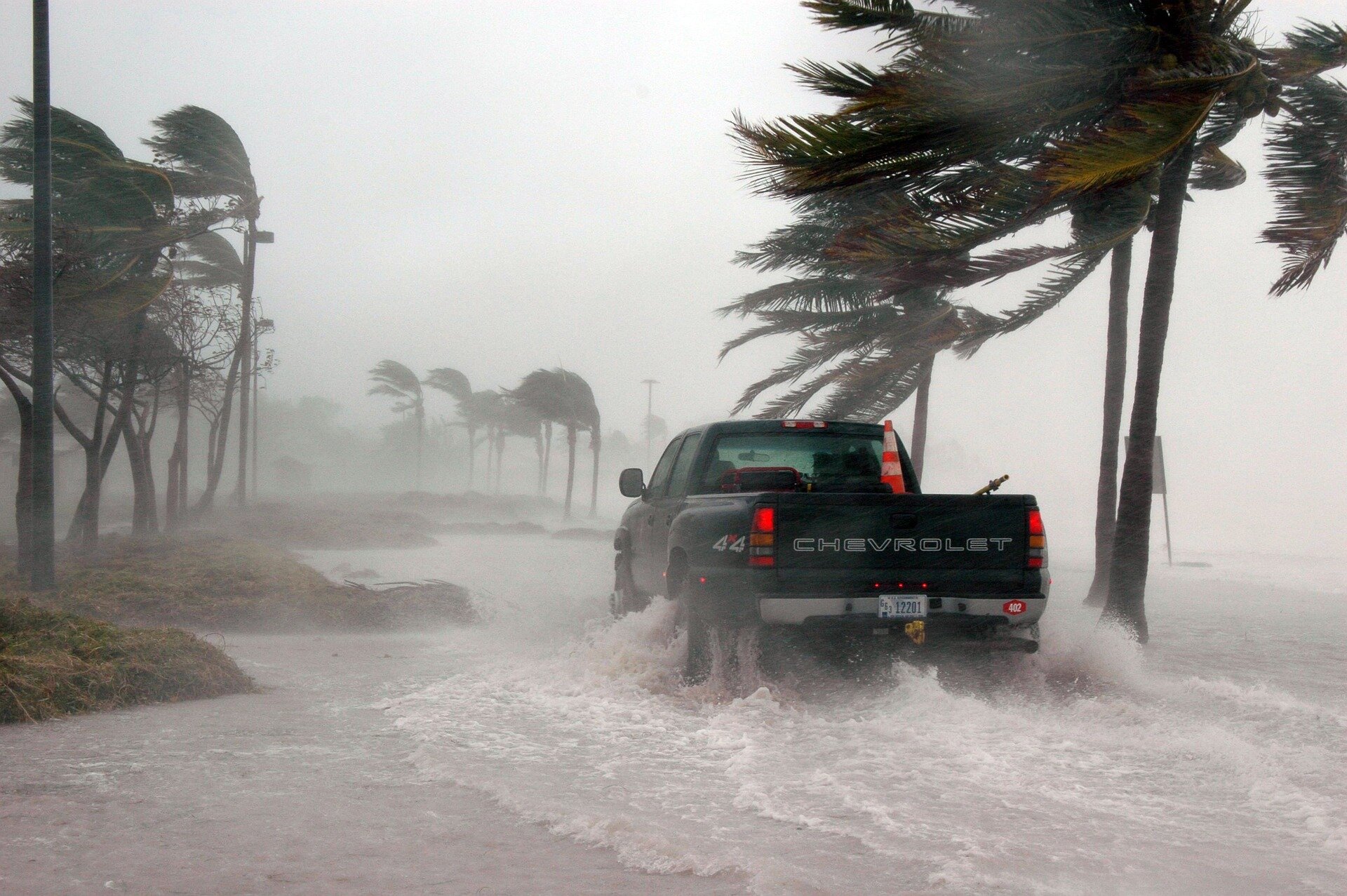
Those favorable conditions are generally linked to increased rainfall and flooding associated with La Niña-influenced weather patterns. More water across wetlands in the Murray-Darling Basin and surrounding areas raises the likelihood of high numbers of mosquitoes and waterbirds. The article adds that infected birds migrating from northern regions are suspected of bringing the virus south.
Why authorities monitor it closely
The history outlined in the article shows why public health agencies take the virus seriously even when total case numbers are relatively low. The most notable outbreak, in 1974, led to 58 cases and 12 deaths across Australia. More recent outbreaks in 2011 and 2023 resulted in 17 and 26 cases respectively, with many occurring in southern regions.
The combination of rarity and severity creates a particular challenge. Because most infections do not become symptomatic, people may underestimate the threat. But once serious neurological disease develops, the outcomes can be life-changing or fatal. That makes surveillance and early warning critical tools.
The source text says mosquito surveillance programs in northern Western Australia and the Northern Territory monitor for Murray Valley encephalitis virus, and that detections trigger mosquito control measures and public health messaging. In other words, officials are not waiting for large case counts to act. They are using environmental and entomological signals to warn communities before more people become ill.

No vaccine means prevention carries the burden
The clearest practical takeaway in the supplied report is that prevention rests on avoiding mosquito bites. With no vaccine available, personal protection and community control measures remain the front line.
That may sound simple, but the article’s framing makes clear that it is the central policy reality. When a virus can be deadly, when symptomatic disease has a high rate of incomplete recovery, and when vaccination is not an option, reducing exposure becomes the only reliable defense available at scale.
The public warning therefore reflects both urgency and limitation. Authorities can advise, monitor, and control mosquito populations where possible. What they cannot do is offer a vaccine-based backstop. That increases the importance of clear risk communication, especially for residents and visitors who may not know the disease by name or may assume mosquitoes are merely irritating rather than dangerous.
A climate and geography story as much as a medical one
The report also shows how strongly infectious disease can be shaped by environment. Murray Valley encephalitis is not described here as a random event. Its appearance is connected to rainfall, flooding, wetlands, birds, and mosquito numbers. That means risk can expand when ecological conditions line up in the virus’s favor.
For a publication covering emerging health risks, that context matters. The warning is not just about two tragic deaths. It is about an outbreak ecology that can reassert itself when conditions support it. Australia’s experience shows how a disease can be geographically concentrated most years yet still spill into wider areas when weather and animal movement change the equation.

The immediate message
The most important point in this story is the one public health authorities are making now: Murray Valley encephalitis can be fatal, and there is no vaccine, so avoiding mosquito bites is essential. The deaths near Alice Springs have turned that long-standing lesson into a current warning.
The virus remains rare, but rarity is not reassurance when severity is this high. Surveillance systems, mosquito control, and public messaging all matter, but so does public understanding. The disease may not be common, yet when it does cause illness, the consequences can be profound. That is why this latest warning deserves attention well beyond the communities directly affected.
This article is based on reporting by Medical Xpress. Read the original article.
Originally published on medicalxpress.com