A Molecular Warning That Shows Up Decades Early
Cardiovascular disease is typically treated as a problem of middle age and later life, something that arrives after years of accumulated risk. A new study suggests the molecular groundwork may be laid much earlier — and may be detectable in children as young as 8 years old.
Researchers from Vanderbilt Health, UTHealth Houston and the University of North Carolina at Chapel Hill report that they have identified early indicators of cardiovascular-kidney-metabolic disease, or CKMD, in children and adolescents. Their work, published in the peer-reviewed journal Nature Metabolism, used advanced analytical methods to define a "signature" of circulating blood proteins that mirrors molecular biomarkers previously associated with irreversible cardiovascular disease in adults.
The finding, the authors argue, points to what they describe as a critical opportunity: an opening to intervene early enough to change the long-term health trajectory of young people through precision medicine, potentially keeping them free of cardiovascular disease as they age.
What Cardiovascular-Kidney-Metabolic Disease Means
CKMD is not a single diagnosis but a cluster of overlapping conditions that tend to reinforce one another over time. The study's focus is on the point where these factors begin appearing together, well before any of them produces obvious symptoms.
- Obesity and excess body weight
- Blood pressure higher than normal for a child's age and size
- Insulin resistance in the prediabetic range
- Blood lipid profiles associated with elevated heart disease risk
Individually, each of these is a familiar concern in pediatric care. Taken together, and viewed through the lens of circulating proteins, they may signal a trajectory that current screening tools do not catch early enough.

Inside the Texas Border Cohort
The analysis drew on 273 children and adolescents enrolled in the Border Health Research Cohort in Cameron County, Texas, a community along the U.S.–Mexico border. More than a third of the young participants showed physical characteristics — what the researchers call phenotypes — consistent with cardiovascular, kidney and metabolic disease.
That prevalence is central to why the cohort was well suited to the question. Rather than studying a general pediatric population where such markers would be rare, the researchers could examine a group in which early disease processes were already measurable, then ask which biological signals tracked with them.
Machine Learning Meets Protein Analysis
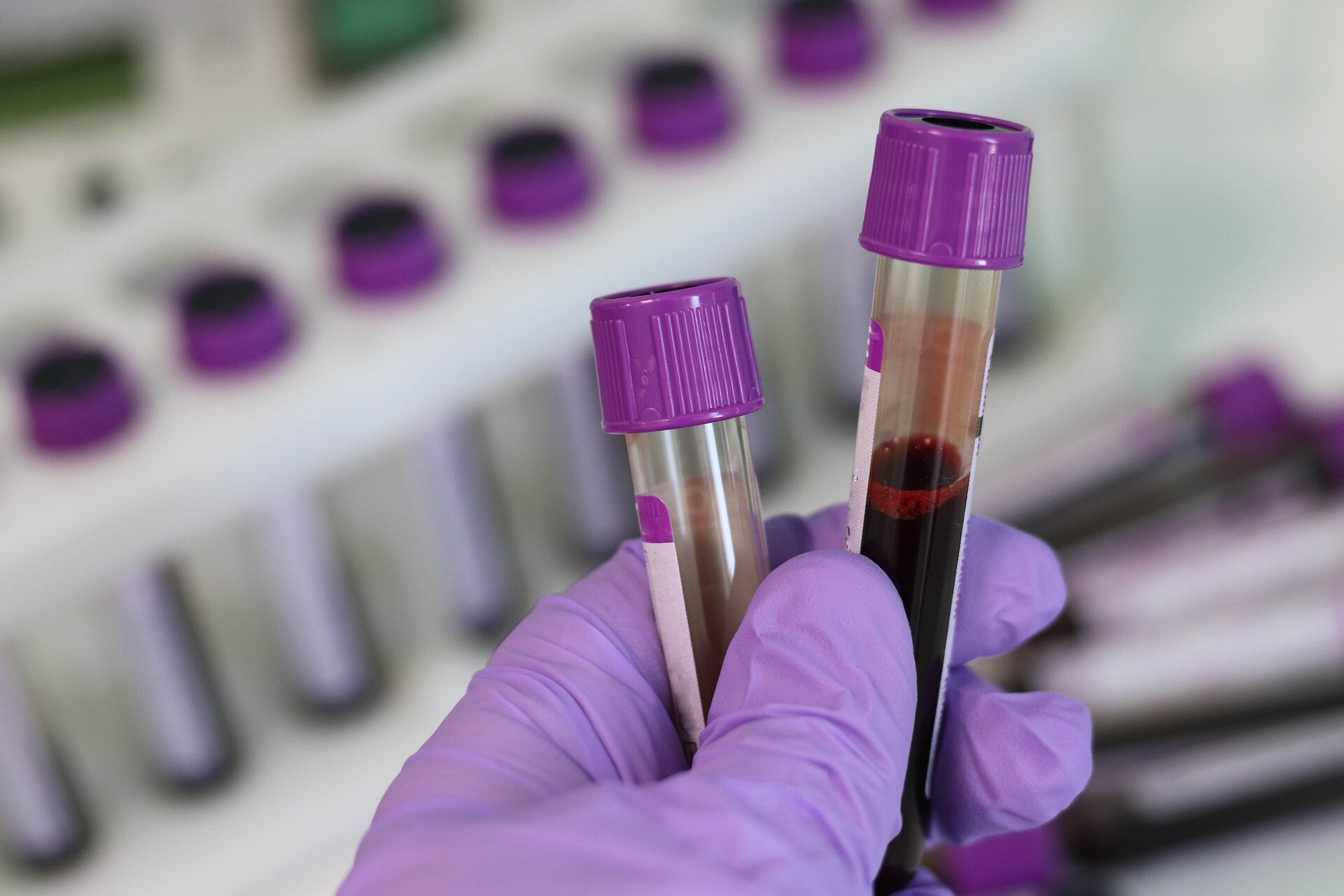
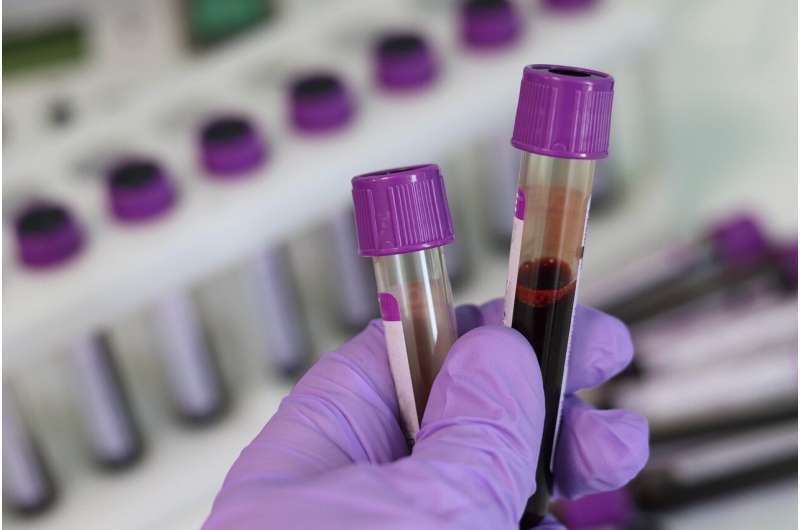
The team combined blood samples with physical measurements, then estimated how levels of circulating proteins related to the disease-associated phenotypes they had documented. Using machine-learning approaches, they searched for protein patterns — proteomic signatures — that consistently accompanied those phenotypes.
The result was a defined set of proteins whose behavior in children and adolescents resembled the molecular fingerprints seen in adult cardiovascular disease. That resemblance is the study's most striking element: the same biological language appearing in both populations, separated by decades of age.

Validation in Adults on Two Continents
To test whether the pattern was meaningful or simply an artifact of a single group, the researchers looked for it elsewhere.
They identified similar protein signatures in 685 adults from the same Cameron County community, providing a within-community comparison that shares environment, geography and many social determinants of health.
They then extended the search to more than 28,000 adults whose blood samples are stored in the UK Biobank in England, one of the world's largest repositories of genetic and other biological data. The appearance of comparable protein patterns in that much larger and geographically distant population strengthens the case that the signature reflects something fundamental about how cardiometabolic disease develops, rather than a localized phenomenon.
GLP-1 Drugs and the Prospect of Reversal
Perhaps the most consequential detail in the study concerns what happens to these proteins when adults are treated. Levels of the disease-associated proteins have been found to decline in response to therapy with semaglutide, a GLP-1 receptor agonist originally developed for type 2 diabetes that has since become a widely used treatment for obesity and weight management.
That observation raises the possibility that the early protein signatures detected in children might likewise be modifiable — that identifying them could open a window in which intervention reverses a process that otherwise becomes permanent. The researchers frame this as a potential opportunity rather than a demonstrated outcome, and the distinction matters.
The therapeutic landscape has already shifted in pediatric settings. Between 2020 and 2023, prescriptions of GLP-1 receptor agonists for children and adolescents rose, reflecting growing clinical interest in these medications for younger patients. That trend makes the question of who should receive such treatment, and when, increasingly urgent.

Promise Tempered by Caution
The study establishes an association between circulating proteins and disease-linked phenotypes; it does not show that acting on those proteins prevents disease. Several important questions remain open.
- Whether the protein signature in children predicts future cardiovascular events, or merely reflects risk factors already visible on a physical exam
- Whether the same signature appears in children from different regions, ancestries and environments beyond the Cameron County cohort
- Whether GLP-1 therapy in children lowers these protein levels as it does in adults, and whether doing so changes long-term outcomes
- What the appropriate balance of benefit and risk looks like when medications are considered for young patients
The researchers also emphasize that their approach is a form of precision medicine — one built on measuring an individual child's biology rather than applying a single threshold to an entire population. If the signature holds up in further studies, it could eventually help clinicians decide which children need closer monitoring, earlier lifestyle intervention or, in carefully selected cases, pharmacological treatment.
Why Early Detection Matters
Cardiovascular disease remains a leading cause of death worldwide, and its costs accumulate over a lifetime. A tool that identifies risk in an 8-year-old, rather than a 50-year-old, would shift the entire timeline of prevention — allowing interventions to act on a system that has not yet hardened into irreversible damage.
That is the promise the new findings gesture toward. The study does not deliver a clinical test or a treatment protocol. It delivers something prior: evidence that the earliest chapters of cardiometabolic disease are written in the blood of children, in patterns that researchers can now begin to read.
This article is based on reporting by Medical Xpress. Read the original article.
Originally published on medicalxpress.com