Introduction
Aging is the greatest risk factor for most chronic diseases, but not everyone ages at the same rate. While chronological age is a simple measure, biological age—the true physiological state of an individual—varies widely among people of the same age. In a comprehensive review published in Nature Medicine, researchers Tony Wyss-Coray and Eric J. Topol examine the emerging field of biological aging clocks, which promise to quantify the pace of aging and its impact on health and disease.
What Are Biological Aging Clocks?
Biological clocks are metrics derived from molecular and cellular data that estimate the biological age of an organism, organ, tissue, or even individual cells. These clocks are built using machine learning models trained on large datasets of biomarkers, including DNA methylation patterns, transcriptomic profiles, proteomic signatures, and metabolomic markers. The most well-known are epigenetic clocks based on DNA methylation, but new clocks are being developed that integrate multiple data types.
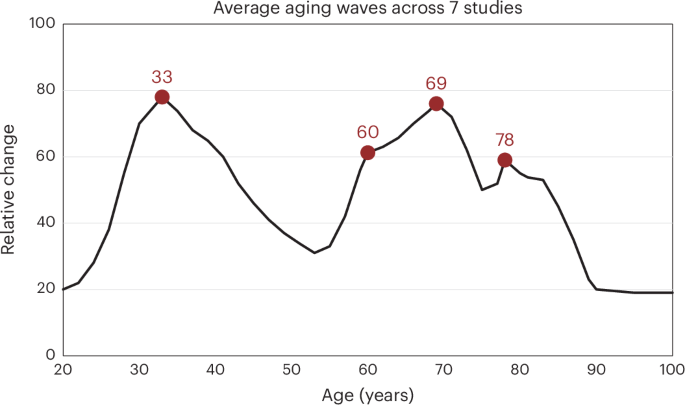
The review highlights that aging is a nonlinear process, with rapid changes occurring at certain life stages. For example, molecular shifts are observed in the 40s and 60s, corresponding to increased disease risk. Biological clocks capture these nonlinear dynamics, providing a more accurate picture of aging than chronological age alone.

Organ-Specific Aging
One of the key insights from the review is that different organs age at different rates within the same individual. Using organ-specific clocks, researchers can identify which organs are aging faster or slower than expected. For instance, accelerated aging of the heart or kidneys may precede clinical disease, offering a window for early intervention. The brain and immune system show particular patterns: a youthful brain and immune system are associated with longevity, while accelerated aging in these systems increases mortality risk.
Figures in the review illustrate that accrual of aged organs progressively raises mortality risk. In a same-aged birth cohort, individuals with multiple aged organs have significantly higher mortality than those with youthful organs. This heterogeneity in organ aging is prognostic for disease and death, suggesting that personalized assessments could guide preventive strategies.
Cell-Type-Specific Clocks
Beyond organs, clocks can be refined to specific cell types. For example, in Alzheimer's disease (AD), certain cell types in the brain—such as microglia and astrocytes—show accelerated aging, while neurons may remain relatively youthful. Cell-type-specific clocks could help uncover the cellular drivers of neurodegeneration and identify targets for therapy.
The review proposes a two-stage framework for prevention of neurodegeneration: first, identify individuals at risk using biological clocks; second, intervene with lifestyle modifications or drugs to slow or reverse aging in vulnerable cell types. This approach could shift the paradigm from treating late-stage disease to preventing it.

Applications in Health and Disease
Biological clocks have multiple potential use cases. They can identify people at high risk of age-related diseases such as cardiovascular disease, diabetes, and dementia, enabling early detection and prevention. They can also serve as surrogate endpoints in clinical trials, allowing researchers to test whether an intervention—such as a drug, diet, or exercise regimen—modulates the aging process. This could accelerate the development of anti-aging therapies.
Lifestyle factors like diet, exercise, and sleep are known to influence biological age. Clocks can quantify the impact of these factors, providing feedback to individuals and clinicians. For example, a study might show that a Mediterranean diet slows epigenetic aging by several years.
Challenges and Future Directions
Despite their promise, biological clocks face challenges. Many clocks are trained on specific populations and may not generalize across ethnicities or age groups. The molecular basis of clocks is not always understood, raising questions about causality. Moreover, the field lacks standardization, making it difficult to compare results across studies.
Wyss-Coray and Topol call for rigorous validation of clocks in diverse cohorts and for integration with other health metrics. They also emphasize the need for longitudinal studies to track how clocks change over time and in response to interventions. Ultimately, biological clocks could become routine tools in preventive medicine, much like blood pressure or cholesterol tests.

Conclusion
Biological aging clocks represent a paradigm shift in how we understand and manage aging. By providing a dynamic, multi-scale view of the aging process, they offer hope for extending healthspan—the period of life free from disease. As the field matures, these clocks may help reduce the burden of age-related diseases and enable personalized strategies for healthy aging.
This article is based on reporting by Nature Medicine. Read the original article.
Originally published on nature.com