Outbreak Overview
A widespread outbreak of cyclosporiasis, a parasitic infection causing severe watery diarrhea, has reached a grim milestone as cases surpass 1,000 in southeastern Michigan and northwestern Ohio. According to the Michigan Department of Health and Human Services (MDHHS), Michigan alone has documented 992 cases as of the latest update, while Lucas County, Ohio, reports 306 additional cases, with surrounding counties totaling over 500. The outbreak, which first emerged in May, has now spread to 29 U.S. states, with Michigan and Ohio serving as the current epicenter.
What is Cyclosporiasis?
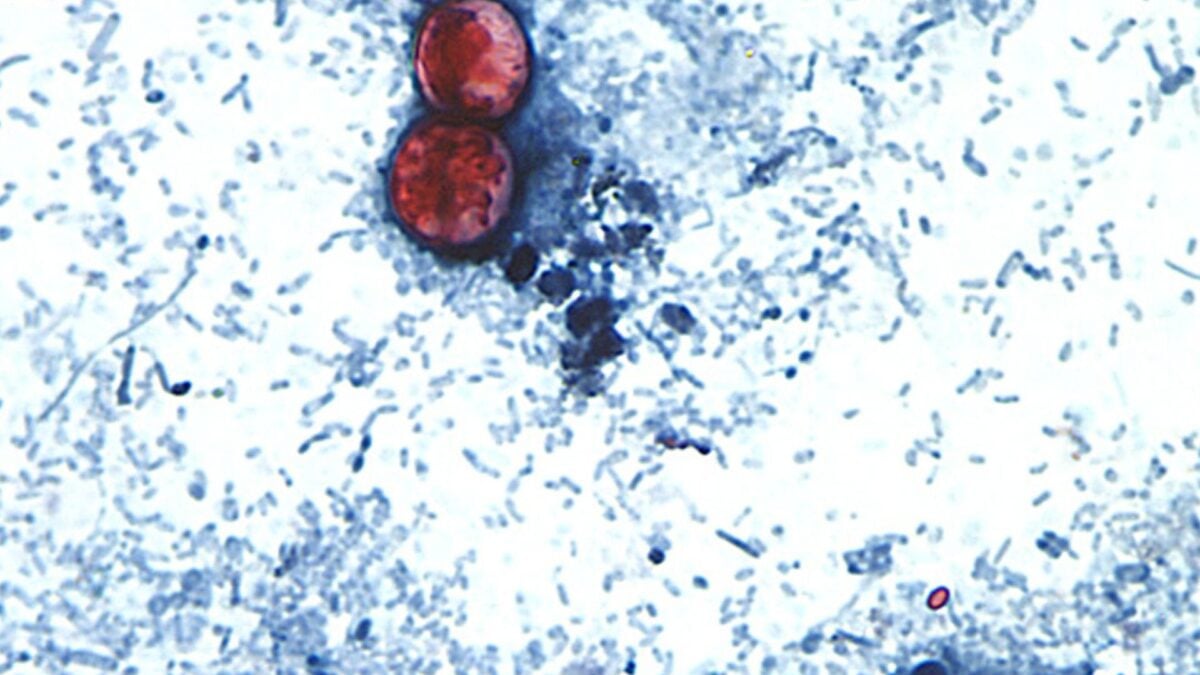
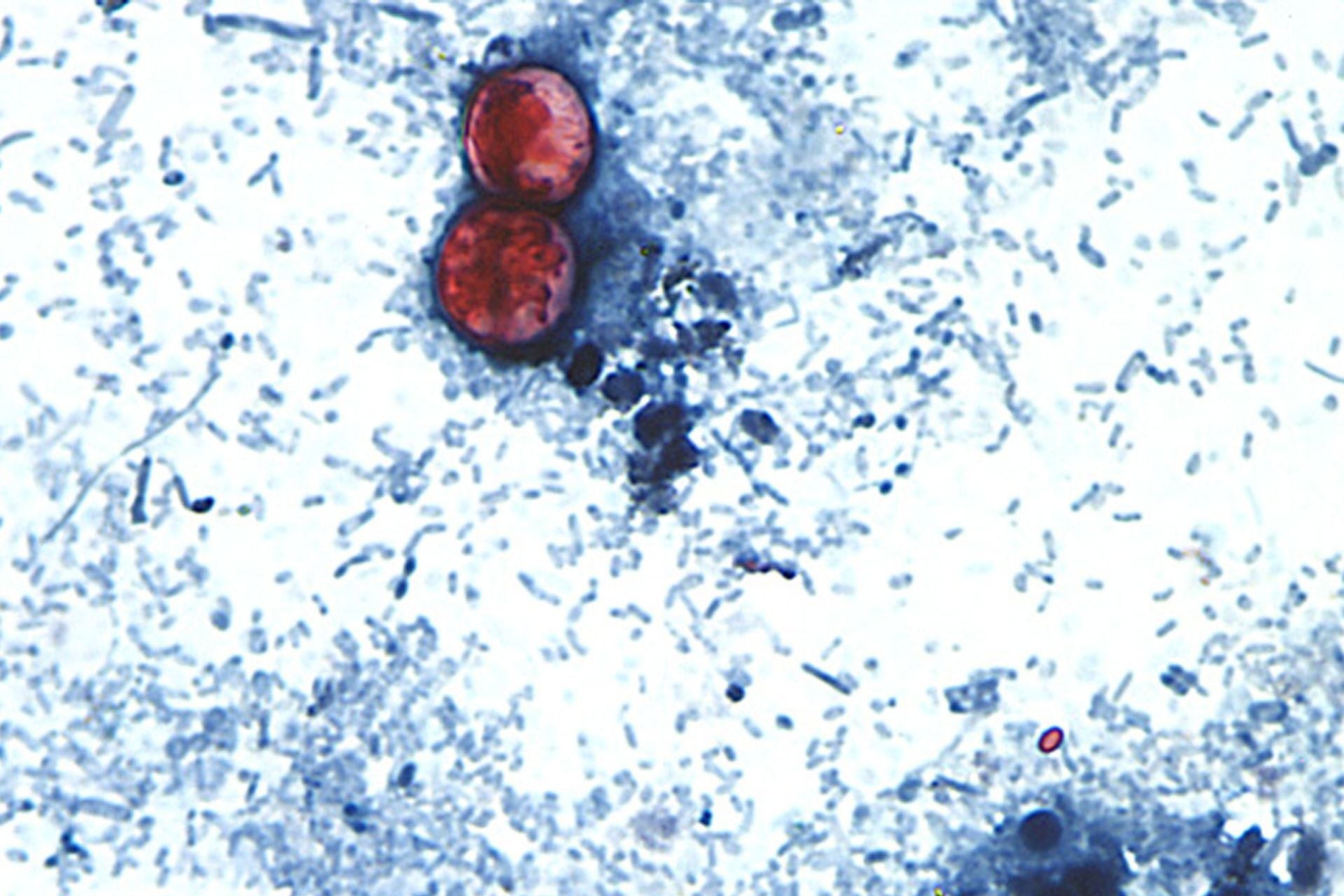
Cyclosporiasis is an intestinal infection caused by the microscopic parasite Cyclospora cayetanensis. The disease spreads through ingestion of food or water contaminated with fecal matter containing the parasite. Symptoms typically include watery diarrhea, frequent and sometimes explosive bowel movements, loss of appetite, weight loss, stomach cramps, bloating, nausea, and fatigue. The incubation period averages about one week, and if left untreated, the illness can last from a few days to several weeks, with relapses common.

Current Situation
The MDHHS Chief Medical Executive, Dr. Natasha Bagdasarian, confirmed that the cases are not isolated incidents. "There is clearly a linked outbreak happening right now," she told the Associated Press. Despite extensive investigations, health officials have not yet identified a specific contaminated food product as the source. Past outbreaks have been linked to fresh produce such as raspberries, basil, cilantro, and lettuce contaminated through irrigation water.
Risk Factors and Treatment
While cyclosporiasis is rarely fatal, it poses higher risks for young children, the elderly, and immunocompromised individuals due to dehydration from prolonged diarrhea. The infection is treatable with antibiotics, specifically trimethoprim-sulfamethoxazole. Without treatment, symptoms may persist for weeks. Health officials urge anyone experiencing symptoms to seek medical attention and provide a stool sample for testing.

Prevention and Public Health Response
Preventing cyclosporiasis involves practicing good hygiene, thoroughly washing fruits and vegetables, and avoiding water that may be contaminated. The CDC notes that the parasite requires time outside the body to become infectious, making direct person-to-person transmission unlikely. State and federal agencies continue to investigate the outbreak, with the CDC providing support to local health departments.
Conclusion
The outbreak underscores the importance of food safety and rapid public health response. As cases continue to rise, residents in affected areas are advised to stay informed and take preventive measures. Health officials remain vigilant in their efforts to identify the source and contain the spread.
This article is based on reporting by Gizmodo. Read the original article.

Originally published on gizmodo.com