Global Breast Cancer Survival Estimates 2017–2021
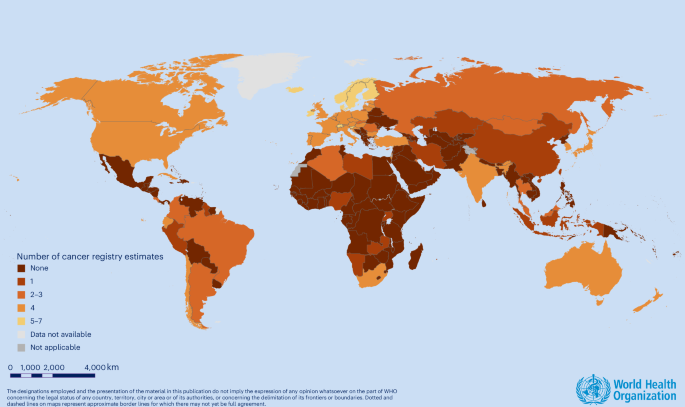
The World Health Organization (WHO) has released new population-based estimates of 5-year net survival for women diagnosed with breast cancer between 2017 and 2021 across all 194 Member States. These benchmark data, published in Nature Medicine, provide a critical tool for monitoring progress toward the WHO Global Breast Cancer Initiative's goal of reducing premature breast cancer mortality by 2040.
Wide Regional Disparities
The median 5-year net survival varies dramatically by WHO region. In the African Region, survival stands at just 39.1% (95% uncertainty interval 34.1–44.7%). The Eastern Mediterranean Region reports 61.0% (51.4–69.8%), while the South-East Asia Region reaches 66.3% (57.7–73.7%). In contrast, the Western Pacific Region achieves 81.1% (78.6–83.5%), the European Region 84.0% (82.8–85.1%), and the Region of the Americas tops the list at 88.5% (86.7–90.1%).
Persisting Inequities
These stark differences reflect profound global inequities in access to early detection, diagnosis, and treatment. Breast cancer remains the most frequent cancer among women in nearly 90% of countries worldwide. In 2022, there were an estimated 2 million new diagnoses and 666,000 attributable deaths. Without intervention, the burden is projected to rise to 1.04 million deaths by 2040, with the greatest relative impact on low-resource settings.
Implications for Health Systems
The findings underscore the urgent need for sustained initiatives to close gaps in cancer care. Strengthening health systems to ensure universal access to quality diagnosis and treatment is essential for achieving the Global Breast Cancer Initiative and Sustainable Development Goals targets. The WHO estimates serve as a baseline to track progress and guide policy interventions.
Moving Forward
Researchers emphasize that premature deaths from breast cancer can be reduced through early detection and improved access to high-quality care. The new survival estimates provide a roadmap for countries to identify weaknesses and allocate resources effectively. As the global health community works toward the 2040 mortality reduction target, these data will be invaluable for measuring impact and ensuring no region is left behind.
This article is based on reporting by Nature Medicine. Read the original article.
Originally published on nature.com