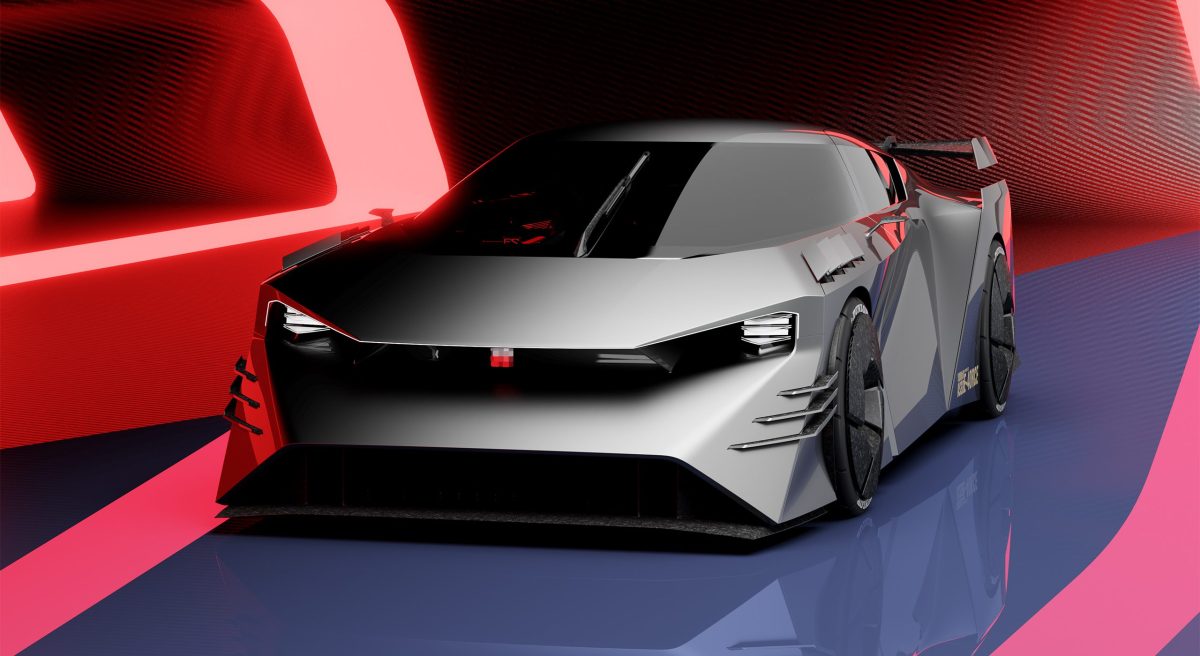
Nissan a officiellement lancé le compte à rebours du retour de la GT-R
Nissan est passé de la spéculation au développement actif pour la prochaine GT-R, du moins dans ses grandes orientations stratégiques. Dans des propos rapportés par The Drive depuis Yokohama le 14 avril, le président-directeur général de Nissan, Ivan Espinosa, a indiqué que l’entreprise travaillait déjà sur la prochaine génération de GT-R. Cette déclaration est importante, car elle vient de l’exécutif qui a l’autorité de prioriser et d’approuver le programme, et parce qu’elle intervient après la fin de production de la précédente génération R35 de la GT-R en août 2025.
Espinosa n’a pas donné de détails techniques complets ni de calendrier de présentation officiel. En revanche, il a confirmé que le projet est bien réel et que Nissan entend préserver le statut du modèle, à la fois comme icône de la marque et comme vitrine technique. Il a déclaré à The Drive que la nouvelle GT-R arriverait avec la crédibilité et les références que cette appellation a toujours portées. Ce choix de mots suggère que Nissan comprend qu’un retour de la GT-R ne peut pas se résumer à un simple exercice de nostalgie. Il doit justifier son badge par les performances, la substance technique et le positionnement commercial.
Le texte source montre clairement que la voiture n’est pas traitée comme un simple croquis sur un tableau blanc. Elle est travaillée dès maintenant, même si le public ne dispose pas encore d’une date de lancement définitive. Cela compte, car la GT-R occupe un rôle symbolique qui va bien au-delà des ventes en volume. Pendant des décennies, cette voiture a servi de déclaration sur ce que les équipes d’ingénierie de Nissan sont capables d’accomplir. Espinosa a renforcé ce point en décrivant la GT-R comme une preuve de ce que l’équipe du directeur technique Eiichi Akashi peut faire sur le plan technique.
Un avenir hybride, et non une simple répétition de la R35
Plusieurs éléments du reportage fourni pointent vers une remise à zéro technique majeure plutôt qu’une simple évolution. The Drive a indiqué que Ponz Pandikuthira, vice-président senior et directeur de la planification de Nissan North America, avait déjà signalé que la prochaine GT-R serait hybride et utiliserait probablement le bloc moteur VR38 de la R35. Dans le même temps, il a dit que la chaîne de traction serait en grande partie nouvelle.
Cette combinaison est révélatrice. Elle laisse penser que Nissan pourrait conserver une certaine continuité avec l’identité du modèle sortant, notamment un cœur thermique à six cylindres, tout en repensant fondamentalement la manière dont la voiture délivre ses performances. Une configuration hybride permettrait également à la GT-R de s’aligner sur des normes d’émissions plus strictes et sur la pression générale du secteur pour améliorer l’efficacité sans renoncer entièrement aux hautes performances.
Tout aussi important, Pandikuthira aurait déclaré que la nouvelle GT-R devra reposer sur un châssis inédit et sera une voiture entièrement nouvelle. Cela indique que Nissan n’entend pas prolonger davantage la plateforme R35 dans une autre époque. Au contraire, l’entreprise semble considérer la prochaine GT-R comme un programme d’ingénierie neuf, façonné par l’incertitude réglementaire, la pression de l’électrification et la nécessité de préserver la légitimité technique du modèle.
Pris ensemble, ces trois éléments, l’hybridation, une chaîne de traction en grande partie nouvelle et un nouveau châssis, suggèrent que la prochaine GT-R devra résoudre un équilibre difficile. Elle devra rester reconnaissable comme une GT-R tout en s’adaptant à un environnement politique et commercial très différent de celui qui a façonné la longue carrière de la R35.
Pourquoi 2028 compte
L’indication temporelle la plus concrète dans la source n’est pas une date de lancement, mais un horizon de décision. Plus tôt en avril, au Salon international de l’automobile de New York 2026, Pandikuthira a déclaré à The Drive qu’en 2028 le public devrait voir des annonces concrètes, et qu’une GT-R R36 pourrait apparaître avant la fin de la décennie. À Yokohama, il a expliqué plus précisément pourquoi 2028 est si important.
Selon la source, Pandikuthira a déclaré qu’en 2028, Nissan espère avoir une vision plus claire de l’évolution administrative et des émissions aux États-Unis. Cette logique de planification est essentielle pour comprendre l’état actuel de la voiture. La prochaine GT-R n’attend pas 2028 pour commencer ; les propres dirigeants de Nissan disent que le travail est déjà en cours. Mais la volonté de l’entreprise de s’engager sur un calendrier ferme de commercialisation semble liée au moment où elle pourra mieux prévoir l’environnement réglementaire.
C’est un problème bien connu dans le développement des voitures de performance. Les modèles emblématiques exigent de longs délais, des coûts d’ingénierie élevés et une planification rigoureuse de la conformité. Cela devient encore plus complexe lorsqu’un constructeur arbitre entre architectures hybrides, politique environnementale et discipline financière imposée par une restructuration ou un redressement plus large. La GT-R peut être une icône, mais elle doit toujours s’inscrire dans la réalité économique et réglementaire de Nissan.
Le commentaire de Pandikuthira selon lequel on ne peut pas commencer en 2028 si l’on veut y voir clair d’ici là souligne que le développement est déjà en cours en coulisses. Autrement dit, Nissan avance maintenant sur les fondations tout en se laissant la possibilité de verrouiller sa trajectoire de production finale une fois que les signaux réglementaires seront plus stables.
Plus qu’un produit, un test de l’identité de Nissan
Le retour de la GT-R compte parce qu’il recoupe une question plus large sur l’identité de Nissan. Les modèles de performance ont longtemps servi de raccourci pour décrire l’ambition technique et la crédibilité de la marque auprès des passionnés. Ramener la GT-R sous la direction d’Espinosa enverrait un message non seulement sur un modèle, mais sur la question de savoir si Nissan considère toujours les voitures audacieuses et techniquement ambitieuses comme faisant partie de son avenir.
Le texte source ne va pas jusqu’à revendiquer un dossier économique final, un site de production ou un objectif de puissance précis. Il établit toutefois une direction cohérente. Le PDG de Nissan dit que le programme GT-R est actif. La direction de la planification affirme que la prochaine voiture devrait être hybride, construite sur un nouveau châssis et soutenue par de grands changements de groupe motopropulseur. Les décisions visibles publiquement pourraient se préciser d’ici 2028, avec une arrivée en concession espérée avant la fin de la décennie.
Cela suffit à changer la conversation. La GT-R n’est plus seulement un souhait de passionnés attaché à un badge à la retraite. C’est désormais un projet stratégique actif, contraint par la planification moderne des émissions et façonné par les attentes attachées à l’un des noms les plus emblématiques de la performance japonaise.
Pour Nissan, le risque est clair. Une GT-R de retour sans autorité technique affaiblirait la mythologie qu’elle est censée raviver. Mais l’opportunité est tout aussi évidente. Si l’entreprise parvient à associer la conformité de l’ère hybride à la crédibilité qu’Espinosa a mise en avant, la prochaine GT-R pourrait devenir une déclaration déterminante sur la manière dont les marques de performance historiques s’adaptent sans renoncer à leur identité.
C’est pourquoi cette confirmation compte, même en l’absence de spécifications finales. Elle marque le moment où Nissan a cessé de parler de la GT-R comme d’un souvenir et a recommencé à en parler comme d’un programme d’ingénierie.
Cet article est basé sur un reportage de The Drive. Lire l’article original.
Originally published on thedrive.com